
Directory
發現新群體、建立新的聯繫、結識新的朋友
-
-
Over 18,000 Employees Affected by China's "Billion-Dollar" Steel Company Declares Bankruptcy
Source : https://evlife.hk/blog/over-18000-employees-affected-by-china%27s-%22billion-dollar%22-steel-company-declares-bankruptcy
In a surprising turn of events, China's large-scale steel enterprise, Dongling Group, has announced its bankruptcy. The repercussions extend beyond the company itself, impacting its subsidiaries and leaving more than 18,000 employees facing unemployment. Dongling Group, once a prominent player in the real estate and steel industries, has struggled amid a downturn in the Chinese property market. Let's delve into the details.
The Rise and Fall of Dongling Group
A Village's Ascent
Dongling Village, located in Chen Cang Town, Shaanxi Province, earned the moniker of "Western China's First Village." The village's development was led by Li Heiji, who pioneered a path of collective entrepreneurship, merging village and enterprise. In 1996, Dongling Group emerged, capitalizing on opportunities during China's state-owned enterprise reforms. Through restructuring, mergers, and strategic investments, the group diversified into international trade, steel and zinc smelting, mineral exploration, real estate, finance, and even internet ventures. By 2017, Dongling Group achieved over ¥130 billion in total revenue, becoming Shaanxi's first private enterprise to cross this milestone.
Real Estate Ventures
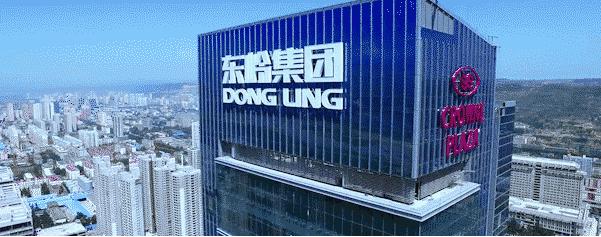
Dongling Group's real estate arm became increasingly active. One notable project was the acquisition of the infamous "Wuxi First Unfinished Skyscraper," now known as Dongling Xishang. This 248-meter-high tower had languished for eight years before Dongling Group took it over in 2018 through bankruptcy reorganization. The project's total construction area reached 177,600 square meters, with an adjusted investment plan of ¥3.573 billion. By the end of 2021, the project had achieved cumulative contracted sales of ¥1.155 billion, with total sales receipts reaching ¥1.11 billion. The tower was finally completed by the end of 2022.
Recent Challenges
However, Dongling Group faced significant headwinds. Its steel logistics and non-ferrous metal sectors struggled, with low gross profit margins. Despite ongoing real estate projects, the company decided not to independently develop new ones, instead opting for joint ventures through land equity participation. The recent equity changes within its subsidiary, Baoji Lingshang Real Estate Development Co., Ltd., reflect the broader challenges the group is navigating.
The Fallout
The bankruptcy announcement has sent shockwaves through the industry, leaving employees uncertain about their futures. Dongling Group's decline has shifted the spotlight to another local giant, the Maiko Group, which now holds the title of Shaanxi's top private enterprise. As the dust settles, the fate of Dongling Group's employees remains uncertain, underscoring the complexities of China's evolving economic landscape.
While Dongling Village's dream of prosperity faces setbacks, the lessons learned from its rise and fall serve as a cautionary tale for other enterprises navigating China's dynamic business environmentOver 18,000 Employees Affected by China's "Billion-Dollar" Steel Company Declares Bankruptcy Source : https://evlife.hk/blog/over-18000-employees-affected-by-china%27s-%22billion-dollar%22-steel-company-declares-bankruptcy In a surprising turn of events, China's large-scale steel enterprise, Dongling Group, has announced its bankruptcy. The repercussions extend beyond the company itself, impacting its subsidiaries and leaving more than 18,000 employees facing unemployment. Dongling Group, once a prominent player in the real estate and steel industries, has struggled amid a downturn in the Chinese property market. Let's delve into the details. The Rise and Fall of Dongling Group A Village's Ascent Dongling Village, located in Chen Cang Town, Shaanxi Province, earned the moniker of "Western China's First Village." The village's development was led by Li Heiji, who pioneered a path of collective entrepreneurship, merging village and enterprise. In 1996, Dongling Group emerged, capitalizing on opportunities during China's state-owned enterprise reforms. Through restructuring, mergers, and strategic investments, the group diversified into international trade, steel and zinc smelting, mineral exploration, real estate, finance, and even internet ventures. By 2017, Dongling Group achieved over ¥130 billion in total revenue, becoming Shaanxi's first private enterprise to cross this milestone. Real Estate Ventures Dongling Group's real estate arm became increasingly active. One notable project was the acquisition of the infamous "Wuxi First Unfinished Skyscraper," now known as Dongling Xishang. This 248-meter-high tower had languished for eight years before Dongling Group took it over in 2018 through bankruptcy reorganization. The project's total construction area reached 177,600 square meters, with an adjusted investment plan of ¥3.573 billion. By the end of 2021, the project had achieved cumulative contracted sales of ¥1.155 billion, with total sales receipts reaching ¥1.11 billion. The tower was finally completed by the end of 2022. Recent Challenges However, Dongling Group faced significant headwinds. Its steel logistics and non-ferrous metal sectors struggled, with low gross profit margins. Despite ongoing real estate projects, the company decided not to independently develop new ones, instead opting for joint ventures through land equity participation. The recent equity changes within its subsidiary, Baoji Lingshang Real Estate Development Co., Ltd., reflect the broader challenges the group is navigating. The Fallout The bankruptcy announcement has sent shockwaves through the industry, leaving employees uncertain about their futures. Dongling Group's decline has shifted the spotlight to another local giant, the Maiko Group, which now holds the title of Shaanxi's top private enterprise. As the dust settles, the fate of Dongling Group's employees remains uncertain, underscoring the complexities of China's evolving economic landscape. While Dongling Village's dream of prosperity faces setbacks, the lessons learned from its rise and fall serve as a cautionary tale for other enterprises navigating China's dynamic business environment


 Chinese (Traditional)
 Chinese (Simplify)
