Round Bale Hay Tarps: Reliable Outdoor Storage Protection for Farmers

For farmers and ranchers, hay is one of the most valuable resources on the property. It directly impacts livestock nutrition, farm productivity, and operational costs. However, storing hay outdoors—especially in round bale form—comes with serious risks. Exposure to rain, snow, and sun can quickly degrade hay quality. This is why round bale hay tarps are considered an essential investment for modern agricultural storage.
Designed specifically for covering stacked round bales, these tarps provide dependable, long-term protection in all weather conditions.
The Risk of Leaving Hay Uncovered
When hay is left exposed, moisture becomes the biggest threat. Rainwater seeps into the bale layers, creating the perfect environment for mold and rot. Once mold develops, hay becomes unsafe for animal consumption.
Sun exposure is another hidden danger. Constant UV rays dry out hay excessively, reducing its nutritional value. Over time, uncovered bales lose protein content and digestibility, forcing farmers to replace spoiled feed.
Wind and snow add further damage by loosening bale structure and increasing moisture penetration. Without proper covering, significant portions of stored hay can go to waste.
What Are Round Bale Hay Tarps?
Round bale hay tarps are heavy-duty protective covers engineered to shield hay stacks from environmental damage. Unlike general-purpose tarps, they are manufactured in large sizes and reinforced designs to fit agricultural storage setups.
They are typically used to cover:
-
Single rows of round bales
-
Pyramid-stacked hay piles
-
Long outdoor storage lines
-
Temporary field storage sites
Their tailored construction ensures full coverage and secure fastening.
Features That Make Hay Tarps Effective
High-quality hay tarps include specialized features designed for farm use:
Waterproof Barriers: Prevent rain and snow absorption.
UV Protection: Shields hay from sun damage.
Reinforced Seams: Adds strength under tension.
Heavy-Duty Grommets: Allows secure tie-down.
Tear Resistance: Withstands wind stress.
These features work together to maintain hay quality across seasons.
Materials Used in Hay Tarps
Material selection plays a major role in durability and performance.
Polyethylene (Poly) Tarps
These are lightweight yet strong. They offer waterproof protection and UV resistance, making them ideal for seasonal or moderate climates.
Vinyl Tarps
Vinyl is thicker and more rugged. It performs well in extreme weather regions with heavy snowfall or high winds.
Both materials are treated to resist mildew, rot, and abrasion—critical for agricultural environments.
Best Practices for Covering Round Bales
To maximize tarp effectiveness, proper stacking and installation are key.
-
Stack bales on elevated ground or pallets
-
Arrange in pyramid form for water runoff
-
Pull tarp tightly across the top
-
Secure every grommet point
-
Anchor edges with weights if needed
This method prevents water pooling and reduces wind lift.
Advantages of Using Hay Tarps
Farmers who use hay tarps experience measurable benefits:
Reduced Spoilage: Keeps hay dry and mold-free.
Feed Quality Preservation: Maintains nutrients.
Lower Replacement Costs: Minimizes waste.
Weather Defense: Protects year-round.
Operational Efficiency: Simplifies storage management.
Over time, these advantages translate into significant cost savings.
Seasonal Protection Value
Each season introduces new risks to hay storage:
Winter: Snow buildup adds moisture weight.
Spring: Rainstorms increase mold risk.
Summer: UV rays degrade nutrients.
Autumn: Wind and dampness threaten bale integrity.
Round bale tarps are built to handle all four seasons, ensuring uninterrupted protection.
Selecting the Right Tarp Size
Choosing the correct tarp size is critical. Measure the full bale stack, including height and width. Allow extra material for draping and tie-down.
Oversized tarps provide better runoff coverage, while undersized tarps may expose bale edges to weather damage.
Where to Find Quality Hay Tarps
When sourcing durable round bale hay tarps, it’s important to select products made specifically for agricultural storage. Look for reinforced edges, UV-treated materials, and heavy-duty grommets to ensure long service life.
Reliable suppliers provide multiple size options to suit both small farms and commercial ranch operations.
Maintenance and Storage Tips
Proper maintenance extends tarp usability:
-
Remove debris buildup
-
Inspect for small tears
-
Repair damage early
-
Dry before folding
-
Store away from rodents and moisture
Routine care allows tarps to last multiple seasons, maximizing return on investment.
Financial Benefits for Farmers
Hay loss directly affects farm profitability. Replacing spoiled feed increases expenses and disrupts supply planning.
Protective tarps act as insurance for hay investments. Even preventing partial spoilage can save thousands in feed replacement costs annually.
For large-scale operations, tarp use quickly pays for itself.
Final Thoughts
Round bale hay tarps are more than simple covers—they are a vital part of smart farm management. By protecting hay from moisture, sunlight, and environmental damage, they preserve feed value and reduce financial loss.
For farmers seeking dependable, long-term storage protection, investing in high-quality hay tarps ensures livestock nutrition remains secure in every season.
Categories
Read More
Market Overview: According to IMARC Group's latest research publication, "Commercial Insurance Market: Global Industry Trends, Share, Size, Growth, Opportunity and Forecast 2026-2034",The global commercial insurance market size was valued at USD 979.7 Billion in 2025. Looking forward, IMARC Group estimates the market to reach USD 1,701.8 Billion by 2034, exhibiting a CAGR of 6.01% from...

In the digital landscape where consumer trust is paramount, businesses are constantly seeking ways to establish credibility and showcase their reputation. One powerful tool that has emerged as a game-changer in the realm of online reviews is Trustpilot. However, with the rise of fake reviews and skepticism surrounding online feedback, the need for verified Trustpilot reviews has become more...

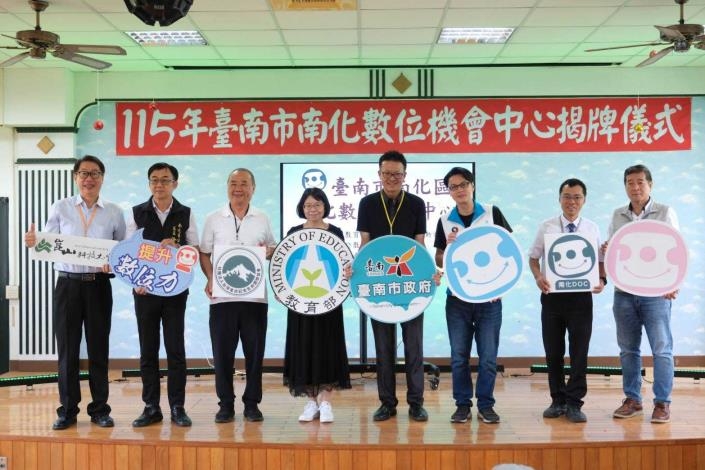
(圖/ 臺南市政府教育局) 臺南市推動偏鄉數位教育再添新進展,位於南化區南化國小西埔校區的「南化數位機會中心(DOC)」15日正式揭牌啟用。現場由黃偉哲市府團隊代表、教育界人士及地方民代共同出席,象徵臺南偏鄉數位學習版圖持續擴大,也讓臺南成為全國數位機會中心據點最多的城市。 臺南市政府近年積極推動偏鄉數位教育,透過與教育部合作,陸續於各行政區建置DOC數位學習據點,目前已涵蓋龍崎、將軍、麻豆、左鎮、六甲、新化、東山、學甲、鹽水、西港、下營與後壁等地區。隨著南化DOC成立,全市據點正式增加至13處,進一步強化偏鄉民眾接觸數位資源的便利性。 (圖/ 臺南市政府教育局)...