Manufacturing Resources: Supporting Efficiency, Innovation, and Industrial Growth

Introduction
Manufacturing Resources play an essential role in helping businesses transform ideas, raw materials, and technical knowledge into finished products. From small production facilities to large industrial operations, access to reliable resources supports efficiency, productivity, and long-term growth. These resources include machinery, equipment, materials, skilled workers, production technologies, research, and industry knowledge. As manufacturing industries continue to evolve, businesses must understand how to identify and use the right resources to remain competitive. Exploring Manufacturing Resources can help businesses and professionals discover useful information, innovative approaches, and opportunities connected to modern industrial development.
Understanding Manufacturing Resources
Manufacturing Resources refer to the different assets and capabilities required to produce goods efficiently. They form the foundation of industrial operations and influence product quality, production costs, and delivery schedules. Every manufacturing business depends on a combination of physical, human, financial, and technological resources.
Physical resources include factories, production equipment, tools, storage facilities, and raw materials. Human resources involve engineers, technicians, operators, designers, and managers who contribute their knowledge and experience. Financial resources provide the investment needed to purchase equipment, maintain operations, and support business expansion.
When these resources are properly managed, manufacturers can establish organized production systems and respond more effectively to customer requirements.
The Importance of Technology in Manufacturing
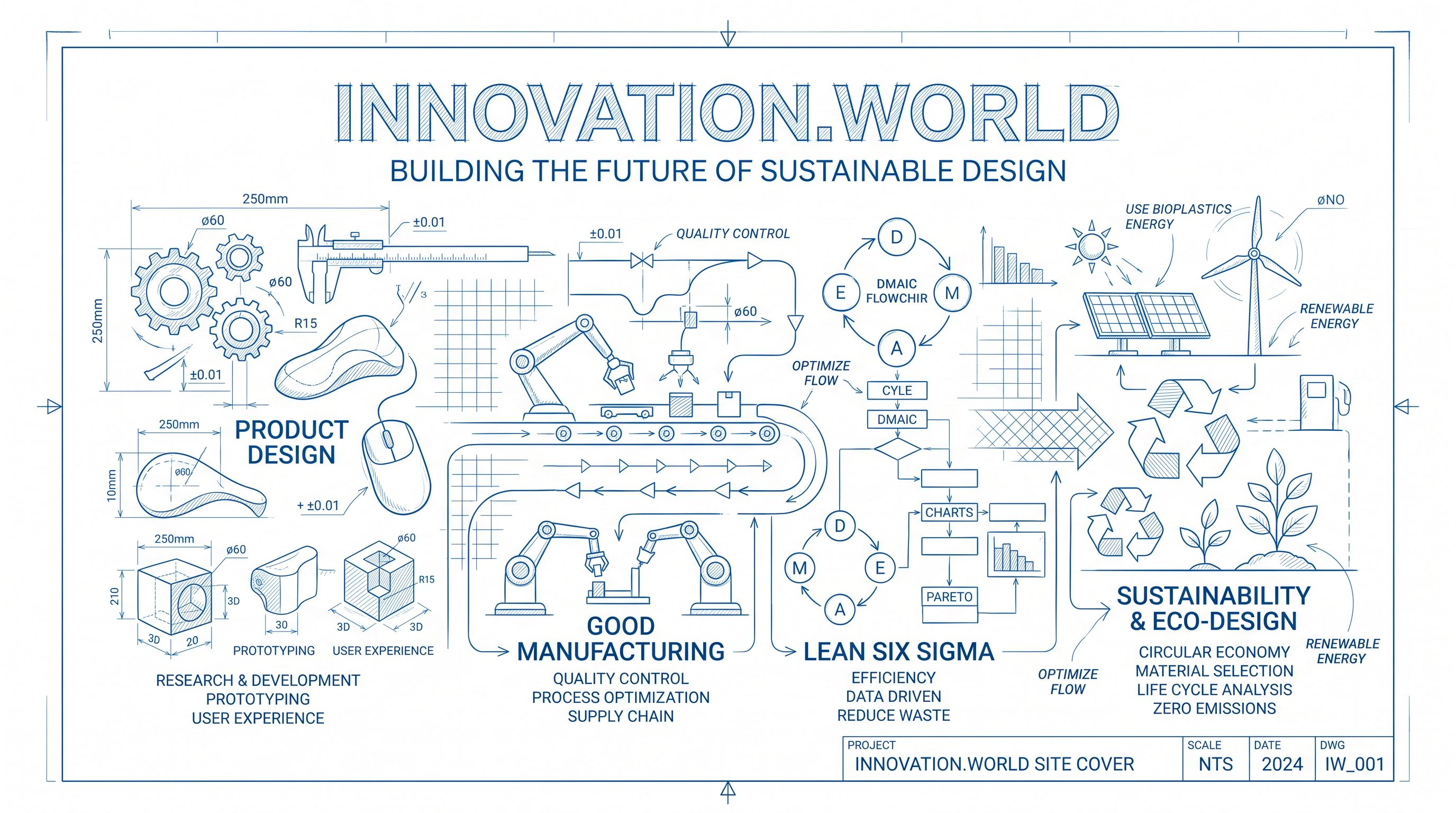
Technology has significantly changed how modern manufacturing businesses operate. Automated machinery, robotics, computer-aided design, and digital monitoring systems allow companies to improve production processes and maintain consistent standards.
Modern technologies can also help manufacturers identify inefficiencies and make better operational decisions. For example, digital production systems can monitor equipment performance, track materials, and provide useful information about manufacturing activities.
Investing in appropriate technology can reduce repetitive tasks, improve workplace organization, and support more accurate production planning. Businesses should evaluate their operational requirements before adopting new systems to ensure that technological investments provide practical benefits.
Managing Raw Materials and Equipment
Raw materials and equipment are fundamental components of manufacturing operations. Businesses need dependable suppliers, suitable materials, and properly maintained machinery to maintain consistent production.
Effective inventory management helps companies avoid unnecessary shortages and excessive storage costs. Monitoring material usage, reviewing supplier performance, and organizing purchasing schedules can improve the availability of essential production supplies.
Equipment maintenance is equally important. Regular inspections and planned servicing help manufacturers identify potential problems before they interrupt operations. Well-maintained machinery can support productivity, workplace safety, and product consistency.
Developing Skilled Manufacturing Teams
Human expertise remains one of the most valuable Manufacturing Resources. Skilled employees understand production processes, operate equipment, maintain quality standards, and identify opportunities for improvement.
Manufacturing businesses should invest in employee training and professional development. Training programs can introduce workers to updated machinery, digital tools, quality control procedures, and responsible production practices.
Communication between departments is also important. Engineers, designers, production workers, and management teams need to share information to coordinate activities and solve problems efficiently. A knowledgeable workforce helps businesses adapt to technological developments and changing industry requirements.
Improving Manufacturing Efficiency
Efficient resource management allows manufacturers to achieve better results while using available assets responsibly. Businesses can examine their production workflows to identify unnecessary steps, material waste, equipment delays, and other operational challenges.
Several practical approaches can support manufacturing efficiency:
-
Production Planning: Organize schedules, allocate materials, and coordinate employees to maintain consistent workflows.
-
Quality Management: Monitor production standards, inspect finished products, and address problems before they affect customers.
Continuous improvement encourages businesses to evaluate their processes regularly. Even small adjustments to production layouts, equipment usage, and inventory procedures can contribute to meaningful operational improvements.
Sustainable Manufacturing Resources
Sustainability has become an important consideration across manufacturing industries. Companies are increasingly examining how their resource choices affect energy consumption, waste generation, and environmental performance.
Responsible resource management may involve using recyclable materials, reducing unnecessary packaging, improving energy efficiency, and extending equipment lifespans. Manufacturers can also evaluate suppliers based on their environmental practices and production standards.
Investing in sustainable technologies may require careful financial planning, but it can support more responsible operations and help businesses prepare for evolving customer expectations and industry requirements.
The Role of Innovation in Industrial Development
Innovation creates opportunities for manufacturers to improve existing processes and explore new production methods. Research, product development, advanced engineering, and collaboration can help businesses identify solutions to technical and operational challenges.
Manufacturing Resources are particularly valuable when companies explore new materials, production technologies, and equipment. Access to relevant knowledge can help decision-makers understand emerging developments and evaluate which innovations are suitable for their operations.
Collaboration between educational institutions, technology providers, research organizations, and manufacturers can also encourage knowledge sharing and industrial progress.
Future Trends in Manufacturing
The manufacturing sector will continue to develop through automation, artificial intelligence, smart factories, advanced robotics, and data-driven production systems. These developments are creating new opportunities to improve efficiency, product quality, and resource utilization.
Businesses will need to evaluate emerging technologies while maintaining attention to employee skills, operational costs, and sustainability. Manufacturers that regularly review their resources and adapt their strategies can respond more effectively to changing market conditions.
Conclusion
Manufacturing Resources are essential for building productive, reliable, and competitive industrial operations. Machinery, materials, skilled employees, technology, and effective management all contribute to successful manufacturing processes. By investing in innovation, improving resource allocation, and adopting responsible production practices, businesses can strengthen their capabilities and prepare for future opportunities. Access to useful industry knowledge through Manufacturing Resources can also help professionals explore new ideas and better understand the developments shaping modern manufacturing.