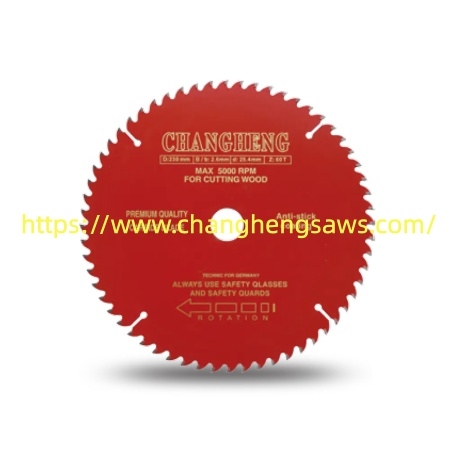

Fine Finish Blades can help woodworking manufacturers reduce splintering when cutting plywood, veneered boards, laminated panels, and other wood products. Uneven edges can affect furniture assembly, increase sanding time, and create additional work before a product is ready for delivery. Choosing suitable cutting equipment is therefore an important part of maintaining consistent production quality. However, the final result also depends on material characteristics, machine settings, and the way each workpiece is supported during machining.
Wood panels are not all made in the same way. Plywood contains multiple layers with alternating grain directions, while veneered boards have a thin decorative surface attached to a supporting core. Laminated panels may include coatings that are vulnerable to chipping when cutting forces are not properly controlled. These differences influence how the material responds to a rotating cutting tool, making it important to consider the panel structure before selecting a suitable configuration.
Tooth geometry plays an important role in determining how wood fibers separate during cutting. Some tooth arrangements are designed to shear fibers more gradually, which can help limit tearing around the cut line. Tooth count also affects chip clearance and the interaction between the tool and the workpiece. A higher tooth count may support a smoother crosscut in certain applications, but the appropriate configuration depends on the material, machine, and intended operation.
Cutting direction is another factor worth checking. When processing veneered or coated boards, the relationship between the surface layer and the direction of the cut can influence whether small chips appear along the edge. Operators should follow the recommended cutting procedure for their equipment and material. Where suitable machinery is available, a scoring operation or a carefully planned two stage cut may help control damage to delicate surface layers.
Machine condition can affect the result just as much as tool selection. Excessive vibration, an incorrectly mounted cutting disc, or an unstable workpiece may create irregular edges even when the selected specification is appropriate. Before production begins, operators should inspect the machine, confirm that the mounting dimensions are compatible, and ensure that the workpiece is securely supported. Any installation or adjustment should follow the equipment manufacturers instructions.
Feed rate and rotational speed also deserve attention. Moving the material too quickly through the cutting area can increase cutting pressure and contribute to torn fibers or rough edges. Unsuitable operating speeds may create excess heat or affect chip removal. Because wood species, panel thickness, and machine configurations vary, operators should use the recommended operating range and conduct controlled trials when introducing a new setup.
Changheng provides industrial cutting solutions for manufacturers working with different production requirements. For furniture factories, cabinet workshops, and panel processing businesses, choosing an appropriate specification begins with identifying the materials and operations involved. Buyers can prepare details such as panel thickness, wood type, machine model, required cutting dimensions, and expected surface quality before discussing a product with the manufacturer. Clear technical information makes it easier to assess compatibility and identify suitable options for evaluation.
Production planning should also account for tool maintenance. Resin deposits, accumulated dust, and worn cutting edges can gradually affect the quality of the cut. Regular inspection allows operators to identify visible wear and arrange cleaning or replacement when needed. Keeping a record of operating hours, material types, and edge defects can reveal patterns that help maintenance teams plan inspections before quality problems become frequent.
Another practical step is to inspect sample pieces after changing materials or operating conditions. Measuring the cut dimensions and checking both sides of the panel can reveal whether chipping is concentrated on the entry surface, exit surface, or along the entire edge. This information helps operators determine whether the issue may relate to cutting direction, workpiece support, machine stability, or the selected tooth arrangement. Adjustments can then be tested methodically rather than changing several variables at once.
For businesses producing cabinets, shelves, doors, and furniture components, consistent edge quality can simplify later assembly and surface preparation. Selecting suitable equipment, maintaining stable operating conditions, and checking finished samples all contribute to a more controlled workflow. Changheng works with industrial buyers seeking cutting products that match their equipment and application requirements. Visit https://www.changhengsaws.com/product/ to review available product information and identify options for your woodworking operations.