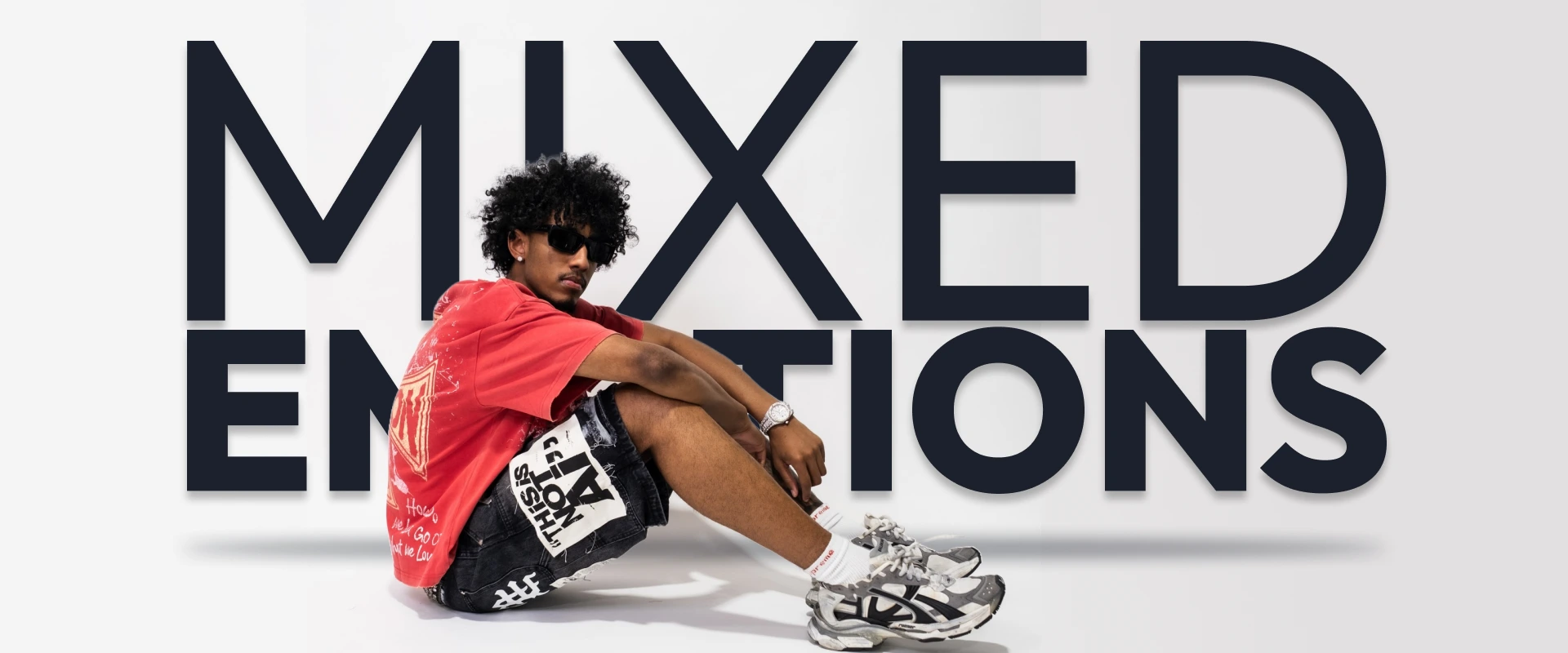

Decoding the Modern Closet Metamorphosis
Investing in modern luxury apparel requires looking past flash-in-the-pan digital marketing visuals to evaluate how a garment performs during standard daily wear. Many collectors regularly spend hundreds of dollars on graphic items only to watch the seams warp and the vibrant colors fade into a dull gray cast after three cycles through a standard washing machine. This frustrating cycle happens because rapid production systems prioritize hyper-accelerated timelines over deep foundational quality control metrics. True luxury garments depend entirely on the foundational choices made at the yarn level before a single needle passes through fabric. When you hold an authentic premium piece, the heavy weight of the cotton immediate registers as substantial because high-gauge loops create an inherently denser structure that naturally resists stretching over months of usage. Achieving this level of structural integrity demands a total commitment to premium raw materials like long-staple cotton instead of the cheaper open-end carded varieties standard in retail malls. Collectors who focus their personal style around these foundational structural elements build a reliable wardrobe that looks intentional rather than merely chasing algorithms. Furthermore, understanding the precise balance between rigid structural lines and comfortable fluidity helps people select clothes that fit well across multiple social environments without appearing overly casual.
The Subtle Power of Heavyweight Fabrics
Heavyweight textiles form the essential skeleton of any truly premium streetwear collection because they control exactly how an outfit hangs on a person's frame. When a manufacturer uses a 400 GSM brushed loopback fleece, the fabric naturally holds a crisp, defined silhouette that resists sagging around the waistline or structural collapse at the neckline. This structural rigidity allows a designer to create shapes that look sharp from every possible angle without needing internal foam or synthetic reinforcement bands. From my personal observation handling hundreds of samples, cheaper brands attempt to mimic this exact thickness by heavily over-glazing low-grade cotton with silicone softeners during final processing. While this shortcut makes a piece feel incredibly smooth on a retail hanger, that artificial layer strips away completely during the very first cold wash, leaving behind a rough, misshapen garment. Investing in real quality means identifying natural softness that originates from combing short fibers out of the yarn rather than temporary chemical coatings. This focused attention on textile purity guarantees that a piece feels increasingly comfortable the more you wear it over several years. Finding a brand that respects this architectural approach to casual clothing changes how you view your entire wardrobe. You quickly start noticing how real, heavy cotton drapes around your shoulders with a clean visual weight that cheaper alternatives can never replicate.
Three Crucial Elements of Premium Outerwear Construction
Evaluating high-end outerwear requires a systematic inspection of structural elements that go far beyond surface aesthetics or loud branding choices. Experienced collectors look for hidden engineering details that ensure a jacket retains its shape and structural value after facing harsh weather patterns over consecutive seasons.
-
Reinforced shoulder taped seams that evenly distribute the total fabric weight across your upper torso to prevent long-term stretching.
-
Premium custom metal hardware coated in anti-oxidation finishes that slide smoothly without snagging delicate interior lining fabrics.
-
High-density ribbed cuffs woven with genuine elastane blends that snap back to their original size after weeks of daily stretching. Focusing on these three specific manufacturing pillars prevents you from wasting resources on items that degrade rapidly under typical daily usage constraints. I personally prefer checking the interior stitching lines near the armpits because that specific area reveals the true speed and care of the factory production line. If you notice loose threads or uneven tension there, it shows the brand rushed production to meet shipping deadlines. Selecting pieces built with patience ensures your daily style looks consistently immaculate while utilizing the reliable craftsmanship of mixedemotions to ground your overall aesthetic.
Footwear Evolution and the Low-Profile Aesthetic
The luxury footwear landscape has shifted away from bulky, over-engineered designs toward streamlined silhouettes that bridge the gap between athletic performance and refined tailoring. Modern shoe enthusiasts prioritize sleek profiles featuring hand-stitched cup soles because these clean elements effortlessly complement both relaxed denim and structured trousers. Achieving this stylistic versatility requires high-grade calfskin leather that molds gradually to the specific contours of your foot over time rather than cracking under pressure. Many commercial footwear options utilize thick synthetic coatings to hide natural imperfections in low-grade hides, which blocks natural airflow and creates uncomfortable hot spots during long afternoon walks. Premium construction avoids these shortcuts by utilizing aniline-dyed leathers that showcase the authentic grain while maintaining maximum natural breathability and flexibility. This dedication to authentic material handling ensures the shoe develops a beautiful, distinct character as it ages alongside your favorite outfits. When you pair a minimal low-top silhouette with carefully tailored trousers, the clean lines establish a balanced foundation for your entire physical presence. Having a reliable pair of low-profile shoes makes transitioning between casual creative meetings and formal evening dinners completely straightforward. It is wise to rotate your premium leather tenis amiri to let the natural hides breathe between wears, ensuring the structure stays intact for years.
Advanced Garment Dyeing Processes and Textile Hardiness
The specific method a manufacturer uses to apply color to a garment dictates how the fabric reacts to sunlight, friction, and repeated laundering over its lifecycle. Standard commercial pieces rely on cheap piece-dyeing techniques where massive rolls of generic fabric are submerged in color vats before the patterns are cut out. This rapid approach often leaves the center of individual yarn strands completely white, which causes ugly streaking along stress points when you move naturally.
-
Custom pigment garment dyeing where fully stitched clothes are laundered with specialized color crystals to create unique, soft tonal variations.
-
Reactive dye formulations that chemically fuse with cellulose fibers to preserve vivid dark tones against harsh ultraviolet light degradation.
-
Sulfur washing treatments that intentionally soften the heavy texture of raw canvas while leaving beautiful vintage contrast lines along the seams. Using these complex coloration steps increases production timelines significantly, but the resulting depth of color remains completely unmatched by fast-fashion methods. An honest limitation of these premium pigment-dyed pieces is that they require cold water and gentle detergents to prevent early color bleeding during the initial launderings. Taking these extra maintenance precautions preserves the rich visual textures that give high-end garments their distinct, sought-after identity.
Graphic Application Engineering on Premium Streetwear
Applying intricate graphics to heavyweight cotton requires specialized engineering techniques to prevent the artwork from cracking or peeling when the fabric stretches. Cheap screen printing methods apply a thick, suffocating layer of plastisol ink directly on top of the fabric, which creates an uncomfortable plastic barrier that completely blocks airflow. Premium labels avoid this issue by utilizing advanced water-based discharge inks that strip the original dye from the cotton fibers and replace it with soft pigmentation. This intricate technical process leaves the printed areas completely weightless and perfectly breathable, ensuring the artwork feels identical to the rest of the garment texture. When you run your hand across a discharge-printed design, you feel the soft natural grain of the combed cotton instead of a rigid synthetic layer. Another excellent method involves applying heavy chenille patches or dense chain-stitch embroidery to add rich tactile dimensions without compromising fabric flexibility. These traditional embroidery techniques demand precise stitch-tension calibration so the surrounding heavyweight cotton does not pucker or bunch up uncomfortably around the edges. Wearing a beautifully balanced chrome heart shirt demonstrates how sophisticated graphic applications can elevate an everyday casual item into a piece of wearable art.
The Architectural Importance of Denim Fit and Wash
Premium denim functions as the definitive anchor of casual dressing because the rugged fabric balances the soft textures of knitwear and heavy jersey hoodies. High-quality denim construction relies on ring-spun cotton woven on traditional shuttle looms to create a self-selvedge edge that naturally prevents unraveling over years of wear. This slow manufacturing process introduces subtle, beautiful irregularities into the textile surface, giving each pair of jeans a completely distinct visual personality. Mass-produced jeans use high percentages of synthetic stretch materials to mimic comfort, but these artificial fibers break down rapidly under heat, causing the knees to bag out permanently. True premium denim uses minimal stretch or pure cotton that softens through your natural body heat and adapts uniquely to your daily movement patterns. This authentic break-in period requires patience, but the result is a custom fit that flatters your frame perfectly while maintaining its original architectural shape. Pairing well-crafted denim with a clean graphic tee or a heavy luxury hoodie establishes an effortless, balanced aesthetic that works throughout the changing seasons.
Curating a Purposeful Wardrobe for Long-Term Value
Building a meaningful personal collection requires shifting your mindset away from impulse purchasing toward intentional curation focused on material excellence and timeless cuts. Instead of filling your closet boxes with dozens of low-cost items that lose their appeal after a few weeks, focus on acquiring a few standout pieces that combine impeccable construction with distinct design points. A well-curated wardrobe features versatile neutral foundations layered with unique, expressive garments that showcase your personality without overwhelming the room. Look closely at the stitch density along the inner hems and verify that the patterns align perfectly across the side seams before finalizing any luxury acquisition. These subtle indicators distinguish dedicated clothing manufacturers from generic merchandise operations that simply slap logos onto stock blanks. Prioritizing authentic craftsmanship ensure your style remains relevant regardless of how quickly internet fashion aesthetics change over time.
Final Words
True streetwear style relies completely on the quiet confidence that comes from wearing beautifully constructed garments made with premium materials. When you stop chasing fast digital trends and focus on fabric weight, stitching precision, and authentic design, your wardrobe becomes a real reflection of your personal standards. Investing in quality pieces means enjoying clothes that look incredible, fit perfectly, and stand up to the test of daily life over the long haul.
Frequently Asked Questions
Why does fabric weight matter so much in premium hoodies?
Heavyweight fabric naturally maintains its architectural shape, provides a clean drape on your shoulders, and resists stretching out after multiple trips through a washing machine.
How can I tell if a graphic print on a shirt is high quality?
Run your hand over the design; a premium print feels soft and integrated into the cotton fibers rather than feeling like a thick, rigid plastic layer on top.
What is the best way to launder premium pigment-dyed streetwear?
Wash these garments inside out using cold water and a gentle cycle, then hang them to dry naturally to prevent early color bleeding and preserve fabric texture.
Why does pure cotton denim outperform high-stretch synthetic jeans over time?
Pure cotton denim gradually molds to your specific body shape using your natural body heat without bagging out or losing its structural elasticity at the knees.
How should I care for luxury leather footwear to keep it looking fresh?
Rotate your leather shoes regularly to let the natural hides breathe, use cedar shoe trees to maintain the original shape, and clean them with a soft, damp cloth.