Range Rover Engine: Power, Innovation, and Performance
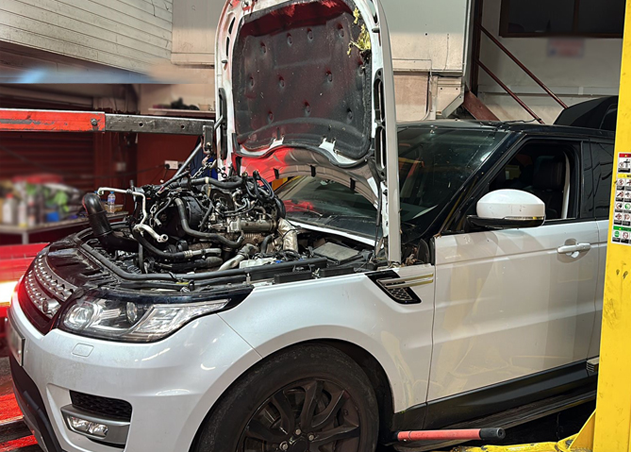
Introduction
The engine is the heart of any vehicle, and in luxury SUVs, it plays an even more important role. The engine determines how powerful, smooth, and efficient the vehicle feels on the road or off the road. Vehicles produced by Land Rover under the Range Rover name are known for combining luxury with strong off-road performance. A key reason behind this reputation is the advanced engineering of the Range Rover engine.
The Evolution of Range Rover Engines
Since the first Range Rover was introduced in 1970, the engine technology used in these vehicles has undergone major changes. Early models were powered by relatively simple V8 petrol engines. These engines were strong and reliable, making them suitable for both highway driving and rough terrain.
As technology advanced, Range Rover introduced more modern engine designs. Newer engines became lighter, more efficient, and more powerful. Improvements in turbocharging, fuel injection systems, and electronic engine management systems allowed the brand to deliver better performance without sacrificing fuel economy.
Today, Range Rover offers several types of engines, including petrol, diesel, mild-hybrid, plug-in hybrid, and even fully electric powertrains in upcoming models.
Types of Range Rover Engines
Range Rover engines come in different configurations depending on the model and market. Each type is designed to meet specific performance and efficiency needs.
1. Petrol Engines
Petrol engines are known for delivering smooth and powerful performance. Many Range Rover models use turbocharged petrol engines that produce strong acceleration and high horsepower.
For example, some high-performance models use V6 or V8 petrol engines that provide impressive power output. These engines are ideal for drivers who prefer fast acceleration and refined driving performance.
2. Diesel Engines
Diesel engines have long been popular in luxury SUVs because of their excellent fuel efficiency and high torque. Range Rover diesel engines provide strong pulling power, making them perfect for towing and off-road driving.
These engines are also designed to deliver better mileage compared to traditional petrol engines, which makes them suitable for long-distance travel.
3. Hybrid Engines
In recent years, Range Rover has introduced hybrid engines that combine a traditional combustion engine with an electric motor. This technology improves fuel efficiency while reducing emissions.
Hybrid Range Rover engines allow the vehicle to operate in electric mode for short distances, especially in city driving. This reduces fuel consumption and provides a quieter driving experience.
Performance and Power
Range Rover engines are engineered to deliver exceptional performance in different driving conditions. Whether the vehicle is cruising on a highway or climbing steep terrain, the engine provides reliable power.
One of the key strengths of Range Rover engines is torque. Torque refers to the rotational force produced by the engine, which helps the vehicle move easily even on rough surfaces. High torque allows Range Rover vehicles to perform well in off-road environments such as mud, sand, and rocky terrain.
Many Range Rover engines can also accelerate quickly despite the vehicle's large size. Advanced turbocharging systems help increase power output without increasing engine size.
Advanced Engine Technology
Modern Range Rover engines include many advanced technologies designed to improve efficiency, power, and environmental performance.
Turbocharging
Turbochargers use exhaust gases to increase the amount of air entering the engine. This allows the engine to burn fuel more efficiently and produce more power.
Mild Hybrid Systems
Some Range Rover models use mild hybrid technology. This system stores energy during braking and uses it to assist the engine during acceleration. As a result, fuel efficiency improves and engine load decreases.
Intelligent Engine Management
Modern engines rely on electronic control units that monitor and adjust engine performance in real time. These systems control fuel injection, ignition timing, and air intake to ensure optimal efficiency.
Off-Road Capability and Engine Strength
One of the main reasons Range Rover engines are respected worldwide is their ability to handle extreme conditions. These engines are designed to operate reliably in difficult environments such as deserts, mountains, and muddy trails.
Range Rover vehicles also feature advanced systems like terrain response technology. This system adjusts engine performance, transmission settings, and traction control depending on the surface being driven on.
Fuel Efficiency and Environmental Considerations
In the past, large luxury SUVs were often criticized for high fuel consumption. However, modern Range Rover engines have made significant improvements in this area.
New engine designs focus on reducing fuel consumption and lowering carbon emissions. Technologies such as hybrid powertrains, lightweight engine materials, and improved aerodynamics help achieve better efficiency.
Reliability and Durability
Range Rover engines are built to last under demanding conditions. Engineers test these engines in extreme climates, including very hot deserts and freezing environments.
High-quality materials and precise manufacturing processes help ensure durability. Regular maintenance such as oil changes, air filter replacement, and engine inspections also helps keep the engine running smoothly for many years.
The Future of Range Rover Engines
The future of Range Rover engines is focused on electrification and sustainability. As global environmental regulations become stricter, automakers are investing heavily in electric and hybrid technology.
Jaguar Land Rover, the parent company of Range Rover, has announced plans to expand its electric vehicle lineup. Future Range Rover models are expected to include fully electric powertrains that produce zero tailpipe emissions while maintaining the brand’s well-known performance and luxury.
Conclusion
The Range Rover engine is a key component that defines the vehicle’s character. It combines power, efficiency, and advanced technology to deliver a premium driving experience. From early V8 engines to modern hybrid systems, Range Rover engines have continuously evolved to meet changing demands and environmental standards.
For more information.
分类
閱讀更多
(圖/ Unsplash) 隨著市場待售餘屋未來三年上看10萬戶,公股銀行對不動產風險控管明顯升高。臺灣銀行、土地銀行與合作金庫三大行庫已全面停止承作建商餘屋貸款,其餘仍承作的行庫,也陸續調降額度,改以嚴格審查個案品質與去化能力為原則。 餘屋貸款係指金融機構以建商未售出的新建住宅作為擔保提供融資。中央銀行自2020年起逐步收緊相關規範,貸款成數從最高五成一路下修,至2024年第七波管制時降至三成,顯著提高建商資金取得門檻。 (圖/ Unsplash) 土地銀行自2023年起即停止承作餘屋貸款,合作金庫亦將房貸資源優先支持自住首購與青安族群,臺灣銀行2025年亦未辦理相關業務,三大行庫已形成一致退場態勢。...

Buy MoonPay Account ➤Telegram: @TopSMMShops01 ➤WhatsApp: +1(848) 468–5888 ➤E-mail: support@topsmmshops.com https://topsmmshops.com/product/buy-moonpay-account/ Our Account Features- 100% approved account. Photo ID Verified Email Verified This account is active and fully verified. We offer 24/7 customer service. instant delivery Full...