• Hey Leute! Seid ihr bereit für ein neues visuelles Abenteuer?

    Wir haben ein unglaublich faszinierendes Kunstwerk für 2024 geschaffen, das eure Sinne zum Staunen bringen wird! In unserem neuesten Video "Stomach 2024" erforschen wir nicht nur die kreativen Grenzen von Kunst, sondern lassen euch auch einen tiefen Einblick in den Entstehungsprozess gewähren. Es ist nicht nur schön anzusehen, sondern regt auch zum Nachdenken an.

    Ich persönlich bin begeistert von der Idee, wie Kunst uns auf neue Weise verbinden kann. Lasst uns gemeinsam eintauchen und inspirieren lassen!

    Hier der Link zum Video:
    #Kunst2024 #Inspiration #Kreativität #Gemeinschaft #ArtLovers Hey Leute! Seid ihr bereit für ein neues visuelles Abenteuer?

    Wir haben ein unglaublich faszinierendes Kunstwerk für 2024 geschaffen, das eure Sinne zum Staunen bringen wird! In unserem neuesten Video "Stomach 2024" erforschen wir nicht nur die kreativen Grenzen von Kunst, sondern lassen euch auch einen tiefen Einblick in den Entstehungsprozess gewähren. Es ist nicht nur schön anzusehen, sondern regt auch zum Nachdenken an.

    Ich persönlich bin begeistert von der Idee, wie Kunst uns auf neue Weise verbinden kann. Lasst uns gemeinsam eintauchen und inspirieren lassen!

    Hier der Link zum Video:
    https://www.youtube.com/watch?v=lhevfd4WP88

    #Kunst2024 #Inspiration #Kreativität #Gemeinschaft #ArtLovers
    🎨 Hey Leute! Seid ihr bereit für ein neues visuelles Abenteuer? 🌟 Wir haben ein unglaublich faszinierendes Kunstwerk für 2024 geschaffen, das eure Sinne zum Staunen bringen wird! In unserem neuesten Video "Stomach 2024" erforschen wir nicht nur die kreativen Grenzen von Kunst, sondern lassen euch auch einen tiefen Einblick in den Entstehungsprozess gewähren. Es ist nicht nur schön anzusehen, sondern regt auch zum Nachdenken an. Ich persönlich bin begeistert von der Idee, wie Kunst uns auf neue Weise verbinden kann. Lasst uns gemeinsam eintauchen und inspirieren lassen! Hier der Link zum Video: https://www.youtube.com/watch?v=lhevfd4WP88 #Kunst2024 #Inspiration #Kreativität #Gemeinschaft #ArtLovers
    0 留言 ·0 分享 ·86 瀏覽次數 ·0 評論
  • Hast du schon einmal darüber nachgedacht, wie du mit Daten Geschichten erzählen kannst? Daten-Storytelling ist die Kunst, Statistiken und Fakten so zu präsentieren, dass sie inspirieren und Entscheidungen erleichtern. Der Artikel gibt praktische Tipps, wie wir diese Fähigkeit nutzen können, um komplexe Informationen verständlich zu machen und gemeinsam zu handeln.

    Als ich zum ersten Mal Datenvisualisierung in meinen Projekten eingesetzt habe, war ich überrascht, wie sehr sich die Reaktionen verändert haben. Menschen können sich viel besser mit Geschichten identifizieren als mit reinen Zahlen.

    Nutze Daten, um deine Botschaft zu verstärken und andere zu motivieren!

    https://datademia.es/blog/data-storytelling-como-contar-historias-con-datos
    #DataStorytelling #Datenvisualisierung #GeschichtenErzählen #EntscheidungenTreffen #Inspiration
    🌟 Hast du schon einmal darüber nachgedacht, wie du mit Daten Geschichten erzählen kannst? Daten-Storytelling ist die Kunst, Statistiken und Fakten so zu präsentieren, dass sie inspirieren und Entscheidungen erleichtern. Der Artikel gibt praktische Tipps, wie wir diese Fähigkeit nutzen können, um komplexe Informationen verständlich zu machen und gemeinsam zu handeln. Als ich zum ersten Mal Datenvisualisierung in meinen Projekten eingesetzt habe, war ich überrascht, wie sehr sich die Reaktionen verändert haben. Menschen können sich viel besser mit Geschichten identifizieren als mit reinen Zahlen. Nutze Daten, um deine Botschaft zu verstärken und andere zu motivieren! 📊✨ https://datademia.es/blog/data-storytelling-como-contar-historias-con-datos #DataStorytelling #Datenvisualisierung #GeschichtenErzählen #EntscheidungenTreffen #Inspiration
    datademia.es
    El Data Storytelling es la habilidad de contar historias con datos para conectar, inspirar y tomar mejores decisiones. Desde hace miles de años, las personas usamos las historias para entender el mundo y actuar en conjunto. Como explica Yuval Noah Ha
    0 留言 ·0 分享 ·71 瀏覽次數 ·0 評論
  • Top 10 Sites To Buy Old GitHub Accounts in 2025

    Looking to boost your GitHub presence quickly? Buying old GitHub accounts can give you a head start with established profiles and trusted histories.
    ➥ 24 Hours Reply/Contact
    ➤Website: Smmallservice.com
    ➤ Telegram: @Smmallservice
    ➤ WhatsApp: +1 (272) 412-1517
    ➤ Email: Smmallservice0@gmail.com
    But where do you find reliable sellers? You’ll discover the top 12 sites to buy old GitHub accounts in 2025. Whether you want to save time, gain credibility, or jump straight into coding collaborations, these platforms have you covered. Keep reading to find out which sites offer the best deals, safety, and quality for your next GitHub account purchase.
    Your perfect account is just a click away!
    Introduction To Buying Old Github Accounts
    Purchasing old GitHub accounts has become a popular trend in 2025. These accounts come with established histories, repositories, and followers. Buyers seek accounts that appear genuine and active. This can save time compared to starting a new account from scratch.
    Old GitHub accounts often have valuable contributions and project stars. This helps build credibility quickly. Many developers and businesses use these accounts to enhance their online presence.
    Why Consider Old Github Accounts In 2025?
    Established Profile: Accounts have a long activity record, making them trustworthy.
    Project History: Existing repositories show real coding work and collaboration.
    Followers and Stars: Accounts with followers and starred projects attract more attention.
    Faster Growth: Buyers avoid the slow growth phase of new accounts.
    Better Networking: Old accounts often have connections with other developers.
    In 2025, these factors make old GitHub accounts valuable assets for developers and companies.
    Risks And Benefits Of Purchasing Pre-owned Accounts
    Benefits
    Risks

    Quick access to a verified profile.
    Ready-made repositories and contributions.
    Potentially higher trust from the community.
    Less effort to build reputation.

    Possibility of account suspension by GitHub.
    Unclear ownership history may cause legal issues.
    Risk of previous account misuse affecting reputation.
    Potential violation of GitHub terms of service.

    Buyers must weigh these pros and cons carefully. Ensuring the account’s authenticity is crucial. Understanding risks reduces potential problems.
    Understanding Old Github Accounts And Their Value
    Old GitHub accounts hold significant value in the developer and tech community. These accounts are not just profiles; they represent years of activity, contributions, and credibility. Understanding what makes an old GitHub account valuable helps explain why many seek to buy them in 2025. The age, activity, and reputation of these accounts often translate into trust and opportunities for users.
    Such accounts can boost a developer’s presence and open doors in software projects, collaborations, and job prospects. Their history and existing connections make them sought-after assets in the digital world.
    What Makes An Old Github Account Valuable?
    Account Age: Older accounts show stability and experience.
    Contribution History: Regular commits and pull requests prove active involvement.
    Followers and Stars: High numbers indicate trust and respect in the community.
    Repositories: Well-maintained and popular repositories increase account value.
    Verified Email: Adds authenticity to the account profile.
    Reputation: Positive feedback and endorsements from other developers.
    Factor
    Description
    Impact on Value
    Account Age
    Length of time since account creation
    Higher trust and credibility
    Contribution History
    Number and quality of commits and pull requests
    Shows active engagement
    Followers & Stars
    Number of followers and project stars
    Indicates popularity
    Repositories
    Count and quality of repos
    Demonstrates skills and projects
    Verified Email
    Email confirmation linked to account
    Enhances legitimacy
    Reputation
    Community feedback and endorsements
    Builds trustworthiness

    Common Uses For Old Github Accounts
    Old GitHub accounts serve many purposes across different user needs.
    Jumpstart Projects: Use existing repositories and codebases as a foundation.
    Build Reputation: Leverage followers and stars for career growth.
    Access to Private Repos: Some accounts have valuable private projects.
    Collaborate Faster: Established accounts open doors to new partnerships.
    Bypass Restrictions: Older accounts sometimes face fewer limitations.
    Learning and Inspiration: Study past commits and projects for skill improvement.
    These uses make old GitHub accounts important for developers, startups, and companies alike.
    ➥ 24 Hours Reply/Contact
    ➤Website: Smmallservice.com
    ➤ Telegram: @Smmallservice
    ➤ WhatsApp: +1 (272) 412-1517
    ➤ Email: Smmallservice0@gmail.com
    Key Features To Look For When Buying Old Github Accounts
    Choosing the right old GitHub account requires careful attention to specific features. These features affect your account's credibility and usefulness. They ensure the account adds value to your projects or business. Focus on factors that prove the account’s authenticity and activity. This will help avoid problems later and keep your online presence strong.
    Account Age And Reputation
    Account age is a critical factor. Older accounts usually have more trust from GitHub and other users. They show a history of consistent use. This makes the account less likely to be flagged or banned.
    Reputation comes from user interactions and contributions. Accounts with positive feedback, stars, and followers show reliability. Check for any past violations or warnings on the account. A clean record means safer usage.
    Look for accounts registered several years ago.
    Verify the account’s follower count and engagement.
    Check for absence of spam or suspicious activity.
    Repository Quality And Activity
    The quality of repositories linked to the account matters a lot. Good repositories have well-written code, clear documentation, and regular updates. This signals active and genuine use.
    Active repositories show recent commits and ongoing development. This means the account owner keeps it alive and engaged. It also reflects positively on the account's value.
    Feature
    Why It Matters
    What to Check
    Code Quality
    Indicates professionalism and usability
    Look for clean, readable, and commented code
    Documentation
    Helps understand and use repositories
    Check README files and project descriptions
    Commit Frequency
    Shows ongoing maintenance and activity
    Review recent commit dates
    Issue Tracking
    Reflects responsiveness to problems
    Look for open and resolved issues

    Security Considerations When Purchasing Old Github Accounts
    Buying old GitHub accounts can save time and boost project visibility. Yet, security risks come with these accounts. Understanding these risks helps protect your projects and data. Always prioritize safety before completing any purchase.
    Ensuring Account Authenticity
    Confirm the original owner’s identity. Fake or stolen accounts can harm your reputation.
    Ask for proof of ownership, like past activity logs.
    Check the account’s contribution history for consistency.
    Look for verified email addresses linked to the account.
    Avoid accounts with sudden, suspicious spikes in activity.
    Verify the account’s age and reputation through GitHub’s public data. Authentic accounts have stable histories and genuine interactions.
    Protecting Your Data And Privacy
    Old GitHub accounts may contain sensitive information or hidden vulnerabilities.
    Change all passwords and enable two-factor authentication immediately.
    Review connected third-party applications and revoke unknown access.
    Audit repositories for exposed secrets, keys, or passwords.
    Use secure networks to access and manage the account.
    Regularly update your security settings to keep the account safe. Protect your data by staying alert to unusual activity.
    Top 12 Trusted Sites To Buy Old Github Accounts In 2025
    Buying old GitHub accounts has become common for developers and businesses. Old accounts come with established credibility and activity, saving time. Choosing the right platform to buy these accounts is key. Trustworthy sites offer secure transactions and verified accounts. This section lists the top 12 trusted sites to buy old GitHub accounts in 2025.
    Overview Of The Marketplaces
    The market for old GitHub accounts includes various online platforms. These sites specialize in selling aged accounts with different features.
    Diverse Options: Marketplaces offer accounts with different ages, followers, and activity levels.
    Verification: Trusted sites verify account authenticity before sale.
    Security: Sites use secure payment methods and guarantee account delivery.
    Support: Customer support helps resolve issues post-purchase.
    Some marketplaces focus on developer accounts, while others serve wider audiences. Prices depend on account age, followers, and past activity.
    Criteria For Site Selection
    Choosing the best site requires clear criteria. The following points help identify reliable platforms:
    Account Authenticity: Accounts must be verified and genuine.
    Secure Payment: Platforms should offer safe and multiple payment options.
    Customer Support: Responsive support for buyer queries and issues.
    Reviews and Ratings: Positive feedback from past buyers.
    Account Variety: Wide selection of accounts with different features.
    Privacy Policy: Clear policies protecting buyer information.
    Criteria
    Importance
    What to Check
    Account Authenticity
    High
    Verified accounts, real activity
    Secure Payment
    High
    Multiple payment methods, encryption
    Customer Support
    Medium
    Fast response, helpful service
    Reviews and Ratings
    Medium
    Positive buyer feedback
    Account Variety
    Medium
    Different ages, followers, activity
    Privacy Policy
    Low
    Clear data protection terms

    Site 1: Features And Benefits
    Buy GitHub Accounts stands out as a trusted platform to purchase old GitHub accounts in 2025. It offers a secure and straightforward way to acquire accounts with history and credibility. Users benefit from a wide selection and reliable service tailored for developers and businesses.
    This site ensures accounts come with verified details, reducing risks for buyers. It suits those needing accounts for testing, collaboration, or project development. The combination of quality and support makes it a top choice.
    ➥ 24 Hours Reply/Contact
    ➤Website: Smmallservice.com
    ➤ Telegram: @Smmallservice
    ➤ WhatsApp: +1 (272) 412-1517
    ➤ Email: Smmallservice0@gmail.com
    Unique Selling Points
    Verified Accounts: Each GitHub account is carefully checked for authenticity and activity.
    Variety of Options: Accounts differ by age, stars, and contributions to fit various needs.
    Affordable Pricing: Competitive rates with clear pricing plans.
    Fast Delivery: Accounts are delivered quickly after purchase.
    Privacy Protection: Buyer information stays confidential and secure.
    User Experience And Support
    The website has a clean layout, making navigation easy for all users. Detailed descriptions help buyers choose the right account.
    Customer support is available 24/7 via chat and email. The team answers queries quickly and provides assistance throughout the purchase process.
    Feature
    Benefit
    24/7 Support
    Help anytime for smooth transactions
    Secure Payment
    Safe and trusted payment options
    User Dashboard
    Track orders and manage accounts easily

    Site 2: Features And Benefits
    Buy GitHub Accounts from this site offers a reliable way to get old GitHub profiles. The platform focuses on quality and clear pricing. Users can expect accounts that are ready to use and backed by solid assurance.
    Choosing this site means access to well-maintained accounts with transparent costs. It suits developers, marketers, and businesses wanting trusted GitHub profiles.
    Account Quality Assurance
    The site guarantees high-quality GitHub accounts. Each account is:
    Verified for activity and credibility
    Checked to avoid bans or restrictions
    Prepared with real profiles and authentic histories
    Buyers get accounts that have existed for a long time and show genuine use. This reduces risks and ensures accounts are useful for projects or marketing.
    Pricing Transparency
    The pricing model is simple and clear. The site lists prices openly with no hidden fees. Key points include:
    Account Age
    Price (USD)
    Included Features
    1 Year+
    $15
    Verified, Active Profile
    3 Years+
    $30
    Verified, Active, High Trust
    5 Years+
    $50
    Top Quality, High Trust, Verified

    Payments are secure. Customers see the exact cost before purchase. This openness builds trust and helps buyers choose accounts within budget.
    Site 3: Features And Benefits
    Buy GitHub Accounts offers a reliable platform to purchase old GitHub accounts in 2025. Their service focuses on quality, security, and customer satisfaction. Buyers get access to accounts with verified histories and strong profiles. This boosts credibility for developers and businesses.
    The site ensures easy navigation and quick delivery. Accounts come with detailed profiles, including repositories and activity logs. This transparency helps buyers choose the best fit for their needs.
    Security Measures
    Security is a top priority at Buy GitHub Accounts. Each account undergoes a thorough verification process. This protects buyers from fake or compromised accounts. The platform uses:
    Two-factor authentication for all accounts
    Encrypted transactions to protect payment data
    Regular updates to remove inactive or risky accounts
    The site also offers customer support to resolve any security concerns quickly. These measures build trust and ensure safe buying experiences.
    Customer Feedback Highlights
    Buy GitHub Accounts receives mostly positive reviews from users. Customers praise the fast delivery and clear account details. Common feedback points include:
    Accounts match the described features and history
    Helpful customer service during and after purchase
    Reasonable prices compared to competitors
    Some users note the smooth checkout process and reliable communication. These highlights show the platform’s focus on customer satisfaction and transparency.
    Comparing Pricing And Affordability Across Sites
    Choosing the best site to buy old GitHub accounts depends largely on price and affordability. Many platforms offer various pricing tiers based on account age, activity, and reputation. Understanding these price ranges helps buyers pick the right option for their needs.
    This section breaks down pricing differences and analyzes value for money. The goal is to help readers find accounts that fit their budget without compromising quality.
    Price Ranges For Different Account Tiers
    Old GitHub accounts are usually priced by age and features. Accounts with more history and contributions cost more.
    Account Tier
    Age Range
    Price Range (USD)
    Key Features
    Basic
    1-2 years
    $10 - $30
    Minimal activity, few repositories
    Intermediate
    3-5 years
    $31 - $70
    Moderate activity, multiple repositories
    Advanced
    5+ years
    $71 - $150
    High contributions, popular repositories

    Prices vary slightly between sites but follow this general pattern. Older accounts with more activity command higher prices.
    Value For Money Analysis
    Assessing value means checking features against cost. Some sites offer bundled services like account verification or support.
    Quality vs. Price: Higher-priced accounts often have better histories and lower risk.
    Extras: Some platforms include guarantees or account replacement if problems occur.
    Customer Reviews: Positive feedback can indicate trustworthy sellers and better value.
    Buyers should consider both price and what comes with the account. Sometimes paying a bit more brings greater security and features.
    Pros And Cons Of Buying Old Github Accounts
    Buying old GitHub accounts has become a popular option for many developers and businesses. These accounts often come with established profiles, repositories, and followers. This can save time and effort in building a new account from scratch. Yet, there are important factors to weigh before making a purchase. Understanding both the benefits and the risks helps make a wise decision.
    Advantages Based On Real-world Usage
    Established Reputation: Old accounts often have a history of contributions and stars, which can boost credibility.
    Instant Access: Buyers can start using the account immediately without waiting to build followers or projects.
    Better Visibility: Accounts with good standing appear higher in search results on GitHub.
    Trusted Email and Profile: Verified emails and complete profiles help in professional networking.
    Time-Saving: Avoids the long process of gaining trust and recognition on the platform.
    Potential Drawbacks To Consider
    Drawback
    Description
    Impact
    Account Ownership Issues
    Risk of unclear ownership and possible disputes over account control.
    High - Could lead to losing the account.
    Violation of GitHub Policies
    Buying accounts may break GitHub's terms of service, risking suspension.
    High - Account might get banned.
    Security Risks
    Old accounts may have unknown vulnerabilities or compromised credentials.
    Medium - Potential data loss or hacking.
    Reputation Concerns
    Previous user’s activities could affect the account's reputation negatively.
    Medium - Could harm professional image.
    Limited Customization
    Some account details might be hard to change, reducing personalization.
    Low - Minor inconvenience.

    Legal And Ethical Considerations
    Buying old GitHub accounts involves more than just a transaction. Legal and ethical factors play a big role. Understanding these helps avoid trouble and maintain a good reputation. This section explains important points about rules and fairness.
    Compliance With Github Terms Of Service
    GitHub’s Terms of Service clearly state rules about accounts. Buying or selling accounts is often against these rules. Violating them can lead to:
    Account suspension
    Permanent bans
    Loss of data and projects
    GitHub wants accounts to be personal and secure. Sharing or selling accounts breaks this principle. Users must create and use their own accounts.
    Check the GitHub Terms of Service before buying any account. Make sure the process follows these terms to stay safe.
    Ethical Implications Of Account Purchase
    Buying accounts raises ethical questions. Here are key concerns:
    Trust: The original owner may lose control of their data.
    Security: Accounts might hold sensitive information.
    Fairness: New users bypass building their own reputation.
    This practice can harm the developer community. It may lead to unfair advantages and loss of trust between users.
    Ethics suggest creating new accounts honestly. Building your own profile ensures respect and transparency.
    How To Verify The Authenticity Of Purchased Accounts
    Buying old GitHub accounts can save time and effort. Authenticity is crucial to avoid scams and secure your investment. Verification ensures the account is genuine and owned by the seller. Follow clear steps and use proper tools to confirm ownership and authenticity.
    Steps To Confirm Account Ownership
    Request Login Credentials: Ask the seller for the username and password to access the account.
    Check Email Access: Verify if the email linked to the GitHub account is accessible and under seller control.
    Review Account Activity: Look at recent commits, repositories, and contributions to confirm activity matches seller claims.
    Confirm Profile Details: Check the profile’s name, bio, and linked social media for consistency with the seller’s identity.
    Test Account Features: Attempt repository creation, issue posting, or pull requests to verify account functionality.
    ➥ 24 Hours Reply/Contact
    ➤Website: Smmallservice.com
    ➤ Telegram: @Smmallservice
    ➤ WhatsApp: +1 (272) 412-1517
    ➤ Email: Smmallservice0@gmail.com
    Tools And Techniques For Verification
    GitHub API: Use the GitHub API to fetch user data and check for unusual patterns or inconsistencies.
    Email Verification Tools: Services like Hunter.io help confirm the validity of the email connected to the account.
    Reverse Image Search: Verify profile pictures to detect fake or stolen images.
    Browser History Check: Request screenshots or screen sharing to verify recent account activity.
    Two-Factor Authentication Status: Ensure 2FA is either disabled or properly transferred to you to maintain account security.
    Tips For Safely Using Old Github Accounts
    Old GitHub accounts can offer value for developers and businesses. They come with existing repositories, stars, and sometimes a good reputation. Using these accounts safely is crucial to protect your projects and data. Follow key guidelines to manage risks and keep your account secure.
    Best Practices For Account Management
    Change the password immediately after acquiring the account.
    Set up two-factor authentication (2FA) for extra security.
    Review and remove any suspicious or unused repositories.
    Update the email address to one you control.
    Check and update authorized applications and tokens.
    Regularly monitor account activity for unusual access.
    Keep profile information updated to reflect your ownership.
    Avoiding Common Security Pitfalls
    Old accounts may have hidden risks. Avoid these common mistakes to stay safe:
    Don't reuse passwords from other sites.
    Avoid using the account for sensitive projects immediately.
    Check for any linked services or integrations that could pose threats.
    Do not share account credentials with others.
    Beware of phishing attempts targeting your new account.
    Regularly audit permissions and revoke those not needed.
    Risk
    Prevention
    Account Takeover
    Enable 2FA and change passwords immediately
    Data Leakage
    Review repositories and remove sensitive data
    Malicious Integrations
    Check authorized apps and revoke unknown ones
    Phishing Attacks
    Stay cautious and avoid clicking suspicious links

    Recommendations For Ideal Users Of Old Github Accounts
    Old GitHub accounts offer unique advantages for various users. They come with established history, existing repositories, and better trust scores. Such features can save time and effort compared to starting fresh accounts. Identifying the right users for these accounts helps maximize their value and utility.
    Freelancers And Developers
    Freelancers and developers benefit greatly from old GitHub accounts. These accounts provide a ready-made portfolio with past projects and contributions. This builds credibility and showcases skills to potential clients or employers.
    Instant access to repositories demonstrates real work experience.
    Older accounts often have higher trust levels on GitHub.
    Time saved on building a profile allows focus on coding.
    Can join private repositories or organizations faster.
    For developers who want to prove expertise quickly, old accounts act as a strong foundation. They help stand out in competitive job markets.
    Businesses And Startups
    Businesses and startups use old GitHub accounts to accelerate project development and collaboration. Established accounts ease integration with other tools and services.
    Benefit
    Explanation
    Trust and Reputation
    Accounts with history gain trust from partners and users.
    Collaboration
    Old accounts often have connections to developer communities.
    Faster Setup
    Skip initial restrictions and limits on new accounts.
    Access to Features
    Some advanced GitHub features unlock only after account age.

    Startups needing quick project deployment find old accounts valuable. They reduce delays and support smooth teamwork.
    Future Trends In The Market For Old Github Accounts
    The market for old GitHub accounts is evolving rapidly. Buyers and sellers are adapting to new needs and rules. Demand shifts with changes in technology and security. Understanding these trends helps predict future opportunities.
    Old GitHub accounts hold value for developers, businesses, and marketers. They offer established profiles with history and contributions. As the tech world grows, so does interest in these accounts.
    Predicted Changes In Demand
    Demand for old GitHub accounts will grow but with new patterns. Here are key points:
    More developers seek accounts with strong coding history.
    Businesses want accounts for quicker project starts.
    Startups look for accounts to gain trust fast.
    Marketing teams use accounts for social proof.
    New tech trends, like AI and blockchain, will affect what buyers want. Accounts linked to these fields will be more valuable. The market may see more specialized accounts with niche skills.
    Evolving Security Standards
    Security rules around old GitHub accounts are becoming stricter. Key security changes include:
    Security Aspect
    Expected Changes
    Verification
    Stronger ID checks during account transfer
    Authentication
    Widespread use of two-factor authentication (2FA)
    Account History
    More scrutiny of past activity for legitimacy
    Policy Compliance
    Strict enforcement of GitHub’s terms of service

    Buyers must choose accounts with clear, secure histories. Sellers need to comply with new rules to avoid bans. These trends protect both users and the platform.
    Conclusion: Making An Informed Purchase Decision
    Buying old GitHub accounts requires careful thought and research. It is important to understand the risks and benefits before spending money. A wise choice depends on knowing key facts and following best practices.
    Focus on trustworthiness, account quality, and security. Avoid rushed decisions. Take time to compare options and verify sellers. This approach helps avoid scams and ensures a smooth experience.
    Summary Of Key Insights
    Reputation matters: Choose sellers with strong feedback and verified histories.
    Account quality: Look for accounts with active repositories and good history.
    Security checks: Confirm accounts have no bans or suspicious activity.
    Price vs value: Avoid very cheap offers; quality accounts cost more.
    Support availability: Sellers offering good customer support reduce risks.
    Legal compliance: Ensure purchases follow GitHub’s terms and policies.
    Final Tips For Buyers In 2025
    Verify seller credibility: Use platforms with transparent reviews.
    Request detailed account info: Ask for screenshots or stats before buying.
    Test account access: Confirm login and control before completing payment.
    Use secure payment methods: Protect your transaction with trusted services.
    Keep records: Save all communication and receipts for future reference.
    Understand risks: Recognize that accounts may be reclaimed or restricted.
    Follow these guidelines to make safer choices. Careful preparation leads to better results.
    Frequently Asked Questions
    What Are Old Github Accounts?
    Old GitHub accounts are user profiles created years ago with activity and repositories.
    Why Buy Old Github Accounts In 2025?
    Old accounts offer better trust and profile age for projects and collaborations.
    Are Old Github Accounts Safe To Purchase?
    Yes, if bought from trusted sites with verified account history and no violations.
    How To Verify The Age Of A Github Account?
    Check the account creation date on the profile page or use online tools.
    Can Old Github Accounts Improve Project Visibility?
    Yes, older accounts often have better credibility, helping projects gain attention faster.
    What Should I Avoid When Buying Github Accounts?
    Avoid accounts with fake activity, stolen content, or unclear ownership history.
    Which Sites Are Best For Buying Old Github Accounts?
    Use reputable marketplaces known for verified, safe, and legal GitHub account sales.
    Conclusion
    Choosing the right site to buy old GitHub accounts matters a lot. Reliable platforms offer secure transactions and real accounts. Always check reviews and site reputation before buying. Using trusted sellers helps avoid scams and fake profiles. The top 12 sites listed here make the process easier.
    Visit smmallservice. com for a smooth experience with Buy GitHub Accounts. Stay safe and pick accounts that fit your needs well. Start your GitHub journey with confidence and smart choices.

    Top 10 Sites To Buy Old GitHub Accounts in 2025 Looking to boost your GitHub presence quickly? Buying old GitHub accounts can give you a head start with established profiles and trusted histories. ➥ 24 Hours Reply/Contact ➤Website: Smmallservice.com ➤ Telegram: @Smmallservice ➤ WhatsApp: +1 (272) 412-1517 ➤ Email: Smmallservice0@gmail.com But where do you find reliable sellers? You’ll discover the top 12 sites to buy old GitHub accounts in 2025. Whether you want to save time, gain credibility, or jump straight into coding collaborations, these platforms have you covered. Keep reading to find out which sites offer the best deals, safety, and quality for your next GitHub account purchase. Your perfect account is just a click away! Introduction To Buying Old Github Accounts Purchasing old GitHub accounts has become a popular trend in 2025. These accounts come with established histories, repositories, and followers. Buyers seek accounts that appear genuine and active. This can save time compared to starting a new account from scratch. Old GitHub accounts often have valuable contributions and project stars. This helps build credibility quickly. Many developers and businesses use these accounts to enhance their online presence. Why Consider Old Github Accounts In 2025? Established Profile: Accounts have a long activity record, making them trustworthy. Project History: Existing repositories show real coding work and collaboration. Followers and Stars: Accounts with followers and starred projects attract more attention. Faster Growth: Buyers avoid the slow growth phase of new accounts. Better Networking: Old accounts often have connections with other developers. In 2025, these factors make old GitHub accounts valuable assets for developers and companies. Risks And Benefits Of Purchasing Pre-owned Accounts Benefits Risks Quick access to a verified profile. Ready-made repositories and contributions. Potentially higher trust from the community. Less effort to build reputation. Possibility of account suspension by GitHub. Unclear ownership history may cause legal issues. Risk of previous account misuse affecting reputation. Potential violation of GitHub terms of service. Buyers must weigh these pros and cons carefully. Ensuring the account’s authenticity is crucial. Understanding risks reduces potential problems. Understanding Old Github Accounts And Their Value Old GitHub accounts hold significant value in the developer and tech community. These accounts are not just profiles; they represent years of activity, contributions, and credibility. Understanding what makes an old GitHub account valuable helps explain why many seek to buy them in 2025. The age, activity, and reputation of these accounts often translate into trust and opportunities for users. Such accounts can boost a developer’s presence and open doors in software projects, collaborations, and job prospects. Their history and existing connections make them sought-after assets in the digital world. What Makes An Old Github Account Valuable? Account Age: Older accounts show stability and experience. Contribution History: Regular commits and pull requests prove active involvement. Followers and Stars: High numbers indicate trust and respect in the community. Repositories: Well-maintained and popular repositories increase account value. Verified Email: Adds authenticity to the account profile. Reputation: Positive feedback and endorsements from other developers. Factor Description Impact on Value Account Age Length of time since account creation Higher trust and credibility Contribution History Number and quality of commits and pull requests Shows active engagement Followers & Stars Number of followers and project stars Indicates popularity Repositories Count and quality of repos Demonstrates skills and projects Verified Email Email confirmation linked to account Enhances legitimacy Reputation Community feedback and endorsements Builds trustworthiness Common Uses For Old Github Accounts Old GitHub accounts serve many purposes across different user needs. Jumpstart Projects: Use existing repositories and codebases as a foundation. Build Reputation: Leverage followers and stars for career growth. Access to Private Repos: Some accounts have valuable private projects. Collaborate Faster: Established accounts open doors to new partnerships. Bypass Restrictions: Older accounts sometimes face fewer limitations. Learning and Inspiration: Study past commits and projects for skill improvement. These uses make old GitHub accounts important for developers, startups, and companies alike. ➥ 24 Hours Reply/Contact ➤Website: Smmallservice.com ➤ Telegram: @Smmallservice ➤ WhatsApp: +1 (272) 412-1517 ➤ Email: Smmallservice0@gmail.com Key Features To Look For When Buying Old Github Accounts Choosing the right old GitHub account requires careful attention to specific features. These features affect your account's credibility and usefulness. They ensure the account adds value to your projects or business. Focus on factors that prove the account’s authenticity and activity. This will help avoid problems later and keep your online presence strong. Account Age And Reputation Account age is a critical factor. Older accounts usually have more trust from GitHub and other users. They show a history of consistent use. This makes the account less likely to be flagged or banned. Reputation comes from user interactions and contributions. Accounts with positive feedback, stars, and followers show reliability. Check for any past violations or warnings on the account. A clean record means safer usage. Look for accounts registered several years ago. Verify the account’s follower count and engagement. Check for absence of spam or suspicious activity. Repository Quality And Activity The quality of repositories linked to the account matters a lot. Good repositories have well-written code, clear documentation, and regular updates. This signals active and genuine use. Active repositories show recent commits and ongoing development. This means the account owner keeps it alive and engaged. It also reflects positively on the account's value. Feature Why It Matters What to Check Code Quality Indicates professionalism and usability Look for clean, readable, and commented code Documentation Helps understand and use repositories Check README files and project descriptions Commit Frequency Shows ongoing maintenance and activity Review recent commit dates Issue Tracking Reflects responsiveness to problems Look for open and resolved issues Security Considerations When Purchasing Old Github Accounts Buying old GitHub accounts can save time and boost project visibility. Yet, security risks come with these accounts. Understanding these risks helps protect your projects and data. Always prioritize safety before completing any purchase. Ensuring Account Authenticity Confirm the original owner’s identity. Fake or stolen accounts can harm your reputation. Ask for proof of ownership, like past activity logs. Check the account’s contribution history for consistency. Look for verified email addresses linked to the account. Avoid accounts with sudden, suspicious spikes in activity. Verify the account’s age and reputation through GitHub’s public data. Authentic accounts have stable histories and genuine interactions. Protecting Your Data And Privacy Old GitHub accounts may contain sensitive information or hidden vulnerabilities. Change all passwords and enable two-factor authentication immediately. Review connected third-party applications and revoke unknown access. Audit repositories for exposed secrets, keys, or passwords. Use secure networks to access and manage the account. Regularly update your security settings to keep the account safe. Protect your data by staying alert to unusual activity. Top 12 Trusted Sites To Buy Old Github Accounts In 2025 Buying old GitHub accounts has become common for developers and businesses. Old accounts come with established credibility and activity, saving time. Choosing the right platform to buy these accounts is key. Trustworthy sites offer secure transactions and verified accounts. This section lists the top 12 trusted sites to buy old GitHub accounts in 2025. Overview Of The Marketplaces The market for old GitHub accounts includes various online platforms. These sites specialize in selling aged accounts with different features. Diverse Options: Marketplaces offer accounts with different ages, followers, and activity levels. Verification: Trusted sites verify account authenticity before sale. Security: Sites use secure payment methods and guarantee account delivery. Support: Customer support helps resolve issues post-purchase. Some marketplaces focus on developer accounts, while others serve wider audiences. Prices depend on account age, followers, and past activity. Criteria For Site Selection Choosing the best site requires clear criteria. The following points help identify reliable platforms: Account Authenticity: Accounts must be verified and genuine. Secure Payment: Platforms should offer safe and multiple payment options. Customer Support: Responsive support for buyer queries and issues. Reviews and Ratings: Positive feedback from past buyers. Account Variety: Wide selection of accounts with different features. Privacy Policy: Clear policies protecting buyer information. Criteria Importance What to Check Account Authenticity High Verified accounts, real activity Secure Payment High Multiple payment methods, encryption Customer Support Medium Fast response, helpful service Reviews and Ratings Medium Positive buyer feedback Account Variety Medium Different ages, followers, activity Privacy Policy Low Clear data protection terms Site 1: Features And Benefits Buy GitHub Accounts stands out as a trusted platform to purchase old GitHub accounts in 2025. It offers a secure and straightforward way to acquire accounts with history and credibility. Users benefit from a wide selection and reliable service tailored for developers and businesses. This site ensures accounts come with verified details, reducing risks for buyers. It suits those needing accounts for testing, collaboration, or project development. The combination of quality and support makes it a top choice. ➥ 24 Hours Reply/Contact ➤Website: Smmallservice.com ➤ Telegram: @Smmallservice ➤ WhatsApp: +1 (272) 412-1517 ➤ Email: Smmallservice0@gmail.com Unique Selling Points Verified Accounts: Each GitHub account is carefully checked for authenticity and activity. Variety of Options: Accounts differ by age, stars, and contributions to fit various needs. Affordable Pricing: Competitive rates with clear pricing plans. Fast Delivery: Accounts are delivered quickly after purchase. Privacy Protection: Buyer information stays confidential and secure. User Experience And Support The website has a clean layout, making navigation easy for all users. Detailed descriptions help buyers choose the right account. Customer support is available 24/7 via chat and email. The team answers queries quickly and provides assistance throughout the purchase process. Feature Benefit 24/7 Support Help anytime for smooth transactions Secure Payment Safe and trusted payment options User Dashboard Track orders and manage accounts easily Site 2: Features And Benefits Buy GitHub Accounts from this site offers a reliable way to get old GitHub profiles. The platform focuses on quality and clear pricing. Users can expect accounts that are ready to use and backed by solid assurance. Choosing this site means access to well-maintained accounts with transparent costs. It suits developers, marketers, and businesses wanting trusted GitHub profiles. Account Quality Assurance The site guarantees high-quality GitHub accounts. Each account is: Verified for activity and credibility Checked to avoid bans or restrictions Prepared with real profiles and authentic histories Buyers get accounts that have existed for a long time and show genuine use. This reduces risks and ensures accounts are useful for projects or marketing. Pricing Transparency The pricing model is simple and clear. The site lists prices openly with no hidden fees. Key points include: Account Age Price (USD) Included Features 1 Year+ $15 Verified, Active Profile 3 Years+ $30 Verified, Active, High Trust 5 Years+ $50 Top Quality, High Trust, Verified Payments are secure. Customers see the exact cost before purchase. This openness builds trust and helps buyers choose accounts within budget. Site 3: Features And Benefits Buy GitHub Accounts offers a reliable platform to purchase old GitHub accounts in 2025. Their service focuses on quality, security, and customer satisfaction. Buyers get access to accounts with verified histories and strong profiles. This boosts credibility for developers and businesses. The site ensures easy navigation and quick delivery. Accounts come with detailed profiles, including repositories and activity logs. This transparency helps buyers choose the best fit for their needs. Security Measures Security is a top priority at Buy GitHub Accounts. Each account undergoes a thorough verification process. This protects buyers from fake or compromised accounts. The platform uses: Two-factor authentication for all accounts Encrypted transactions to protect payment data Regular updates to remove inactive or risky accounts The site also offers customer support to resolve any security concerns quickly. These measures build trust and ensure safe buying experiences. Customer Feedback Highlights Buy GitHub Accounts receives mostly positive reviews from users. Customers praise the fast delivery and clear account details. Common feedback points include: Accounts match the described features and history Helpful customer service during and after purchase Reasonable prices compared to competitors Some users note the smooth checkout process and reliable communication. These highlights show the platform’s focus on customer satisfaction and transparency. Comparing Pricing And Affordability Across Sites Choosing the best site to buy old GitHub accounts depends largely on price and affordability. Many platforms offer various pricing tiers based on account age, activity, and reputation. Understanding these price ranges helps buyers pick the right option for their needs. This section breaks down pricing differences and analyzes value for money. The goal is to help readers find accounts that fit their budget without compromising quality. Price Ranges For Different Account Tiers Old GitHub accounts are usually priced by age and features. Accounts with more history and contributions cost more. Account Tier Age Range Price Range (USD) Key Features Basic 1-2 years $10 - $30 Minimal activity, few repositories Intermediate 3-5 years $31 - $70 Moderate activity, multiple repositories Advanced 5+ years $71 - $150 High contributions, popular repositories Prices vary slightly between sites but follow this general pattern. Older accounts with more activity command higher prices. Value For Money Analysis Assessing value means checking features against cost. Some sites offer bundled services like account verification or support. Quality vs. Price: Higher-priced accounts often have better histories and lower risk. Extras: Some platforms include guarantees or account replacement if problems occur. Customer Reviews: Positive feedback can indicate trustworthy sellers and better value. Buyers should consider both price and what comes with the account. Sometimes paying a bit more brings greater security and features. Pros And Cons Of Buying Old Github Accounts Buying old GitHub accounts has become a popular option for many developers and businesses. These accounts often come with established profiles, repositories, and followers. This can save time and effort in building a new account from scratch. Yet, there are important factors to weigh before making a purchase. Understanding both the benefits and the risks helps make a wise decision. Advantages Based On Real-world Usage Established Reputation: Old accounts often have a history of contributions and stars, which can boost credibility. Instant Access: Buyers can start using the account immediately without waiting to build followers or projects. Better Visibility: Accounts with good standing appear higher in search results on GitHub. Trusted Email and Profile: Verified emails and complete profiles help in professional networking. Time-Saving: Avoids the long process of gaining trust and recognition on the platform. Potential Drawbacks To Consider Drawback Description Impact Account Ownership Issues Risk of unclear ownership and possible disputes over account control. High - Could lead to losing the account. Violation of GitHub Policies Buying accounts may break GitHub's terms of service, risking suspension. High - Account might get banned. Security Risks Old accounts may have unknown vulnerabilities or compromised credentials. Medium - Potential data loss or hacking. Reputation Concerns Previous user’s activities could affect the account's reputation negatively. Medium - Could harm professional image. Limited Customization Some account details might be hard to change, reducing personalization. Low - Minor inconvenience. Legal And Ethical Considerations Buying old GitHub accounts involves more than just a transaction. Legal and ethical factors play a big role. Understanding these helps avoid trouble and maintain a good reputation. This section explains important points about rules and fairness. Compliance With Github Terms Of Service GitHub’s Terms of Service clearly state rules about accounts. Buying or selling accounts is often against these rules. Violating them can lead to: Account suspension Permanent bans Loss of data and projects GitHub wants accounts to be personal and secure. Sharing or selling accounts breaks this principle. Users must create and use their own accounts. Check the GitHub Terms of Service before buying any account. Make sure the process follows these terms to stay safe. Ethical Implications Of Account Purchase Buying accounts raises ethical questions. Here are key concerns: Trust: The original owner may lose control of their data. Security: Accounts might hold sensitive information. Fairness: New users bypass building their own reputation. This practice can harm the developer community. It may lead to unfair advantages and loss of trust between users. Ethics suggest creating new accounts honestly. Building your own profile ensures respect and transparency. How To Verify The Authenticity Of Purchased Accounts Buying old GitHub accounts can save time and effort. Authenticity is crucial to avoid scams and secure your investment. Verification ensures the account is genuine and owned by the seller. Follow clear steps and use proper tools to confirm ownership and authenticity. Steps To Confirm Account Ownership Request Login Credentials: Ask the seller for the username and password to access the account. Check Email Access: Verify if the email linked to the GitHub account is accessible and under seller control. Review Account Activity: Look at recent commits, repositories, and contributions to confirm activity matches seller claims. Confirm Profile Details: Check the profile’s name, bio, and linked social media for consistency with the seller’s identity. Test Account Features: Attempt repository creation, issue posting, or pull requests to verify account functionality. ➥ 24 Hours Reply/Contact ➤Website: Smmallservice.com ➤ Telegram: @Smmallservice ➤ WhatsApp: +1 (272) 412-1517 ➤ Email: Smmallservice0@gmail.com Tools And Techniques For Verification GitHub API: Use the GitHub API to fetch user data and check for unusual patterns or inconsistencies. Email Verification Tools: Services like Hunter.io help confirm the validity of the email connected to the account. Reverse Image Search: Verify profile pictures to detect fake or stolen images. Browser History Check: Request screenshots or screen sharing to verify recent account activity. Two-Factor Authentication Status: Ensure 2FA is either disabled or properly transferred to you to maintain account security. Tips For Safely Using Old Github Accounts Old GitHub accounts can offer value for developers and businesses. They come with existing repositories, stars, and sometimes a good reputation. Using these accounts safely is crucial to protect your projects and data. Follow key guidelines to manage risks and keep your account secure. Best Practices For Account Management Change the password immediately after acquiring the account. Set up two-factor authentication (2FA) for extra security. Review and remove any suspicious or unused repositories. Update the email address to one you control. Check and update authorized applications and tokens. Regularly monitor account activity for unusual access. Keep profile information updated to reflect your ownership. Avoiding Common Security Pitfalls Old accounts may have hidden risks. Avoid these common mistakes to stay safe: Don't reuse passwords from other sites. Avoid using the account for sensitive projects immediately. Check for any linked services or integrations that could pose threats. Do not share account credentials with others. Beware of phishing attempts targeting your new account. Regularly audit permissions and revoke those not needed. Risk Prevention Account Takeover Enable 2FA and change passwords immediately Data Leakage Review repositories and remove sensitive data Malicious Integrations Check authorized apps and revoke unknown ones Phishing Attacks Stay cautious and avoid clicking suspicious links Recommendations For Ideal Users Of Old Github Accounts Old GitHub accounts offer unique advantages for various users. They come with established history, existing repositories, and better trust scores. Such features can save time and effort compared to starting fresh accounts. Identifying the right users for these accounts helps maximize their value and utility. Freelancers And Developers Freelancers and developers benefit greatly from old GitHub accounts. These accounts provide a ready-made portfolio with past projects and contributions. This builds credibility and showcases skills to potential clients or employers. Instant access to repositories demonstrates real work experience. Older accounts often have higher trust levels on GitHub. Time saved on building a profile allows focus on coding. Can join private repositories or organizations faster. For developers who want to prove expertise quickly, old accounts act as a strong foundation. They help stand out in competitive job markets. Businesses And Startups Businesses and startups use old GitHub accounts to accelerate project development and collaboration. Established accounts ease integration with other tools and services. Benefit Explanation Trust and Reputation Accounts with history gain trust from partners and users. Collaboration Old accounts often have connections to developer communities. Faster Setup Skip initial restrictions and limits on new accounts. Access to Features Some advanced GitHub features unlock only after account age. Startups needing quick project deployment find old accounts valuable. They reduce delays and support smooth teamwork. Future Trends In The Market For Old Github Accounts The market for old GitHub accounts is evolving rapidly. Buyers and sellers are adapting to new needs and rules. Demand shifts with changes in technology and security. Understanding these trends helps predict future opportunities. Old GitHub accounts hold value for developers, businesses, and marketers. They offer established profiles with history and contributions. As the tech world grows, so does interest in these accounts. Predicted Changes In Demand Demand for old GitHub accounts will grow but with new patterns. Here are key points: More developers seek accounts with strong coding history. Businesses want accounts for quicker project starts. Startups look for accounts to gain trust fast. Marketing teams use accounts for social proof. New tech trends, like AI and blockchain, will affect what buyers want. Accounts linked to these fields will be more valuable. The market may see more specialized accounts with niche skills. Evolving Security Standards Security rules around old GitHub accounts are becoming stricter. Key security changes include: Security Aspect Expected Changes Verification Stronger ID checks during account transfer Authentication Widespread use of two-factor authentication (2FA) Account History More scrutiny of past activity for legitimacy Policy Compliance Strict enforcement of GitHub’s terms of service Buyers must choose accounts with clear, secure histories. Sellers need to comply with new rules to avoid bans. These trends protect both users and the platform. Conclusion: Making An Informed Purchase Decision Buying old GitHub accounts requires careful thought and research. It is important to understand the risks and benefits before spending money. A wise choice depends on knowing key facts and following best practices. Focus on trustworthiness, account quality, and security. Avoid rushed decisions. Take time to compare options and verify sellers. This approach helps avoid scams and ensures a smooth experience. Summary Of Key Insights Reputation matters: Choose sellers with strong feedback and verified histories. Account quality: Look for accounts with active repositories and good history. Security checks: Confirm accounts have no bans or suspicious activity. Price vs value: Avoid very cheap offers; quality accounts cost more. Support availability: Sellers offering good customer support reduce risks. Legal compliance: Ensure purchases follow GitHub’s terms and policies. Final Tips For Buyers In 2025 Verify seller credibility: Use platforms with transparent reviews. Request detailed account info: Ask for screenshots or stats before buying. Test account access: Confirm login and control before completing payment. Use secure payment methods: Protect your transaction with trusted services. Keep records: Save all communication and receipts for future reference. Understand risks: Recognize that accounts may be reclaimed or restricted. Follow these guidelines to make safer choices. Careful preparation leads to better results. Frequently Asked Questions What Are Old Github Accounts? Old GitHub accounts are user profiles created years ago with activity and repositories. Why Buy Old Github Accounts In 2025? Old accounts offer better trust and profile age for projects and collaborations. Are Old Github Accounts Safe To Purchase? Yes, if bought from trusted sites with verified account history and no violations. How To Verify The Age Of A Github Account? Check the account creation date on the profile page or use online tools. Can Old Github Accounts Improve Project Visibility? Yes, older accounts often have better credibility, helping projects gain attention faster. What Should I Avoid When Buying Github Accounts? Avoid accounts with fake activity, stolen content, or unclear ownership history. Which Sites Are Best For Buying Old Github Accounts? Use reputable marketplaces known for verified, safe, and legal GitHub account sales. Conclusion Choosing the right site to buy old GitHub accounts matters a lot. Reliable platforms offer secure transactions and real accounts. Always check reviews and site reputation before buying. Using trusted sellers helps avoid scams and fake profiles. The top 12 sites listed here make the process easier. Visit smmallservice. com for a smooth experience with Buy GitHub Accounts. Stay safe and pick accounts that fit your needs well. Start your GitHub journey with confidence and smart choices.
    0 留言 ·0 分享 ·1K 瀏覽次數 ·0 評論

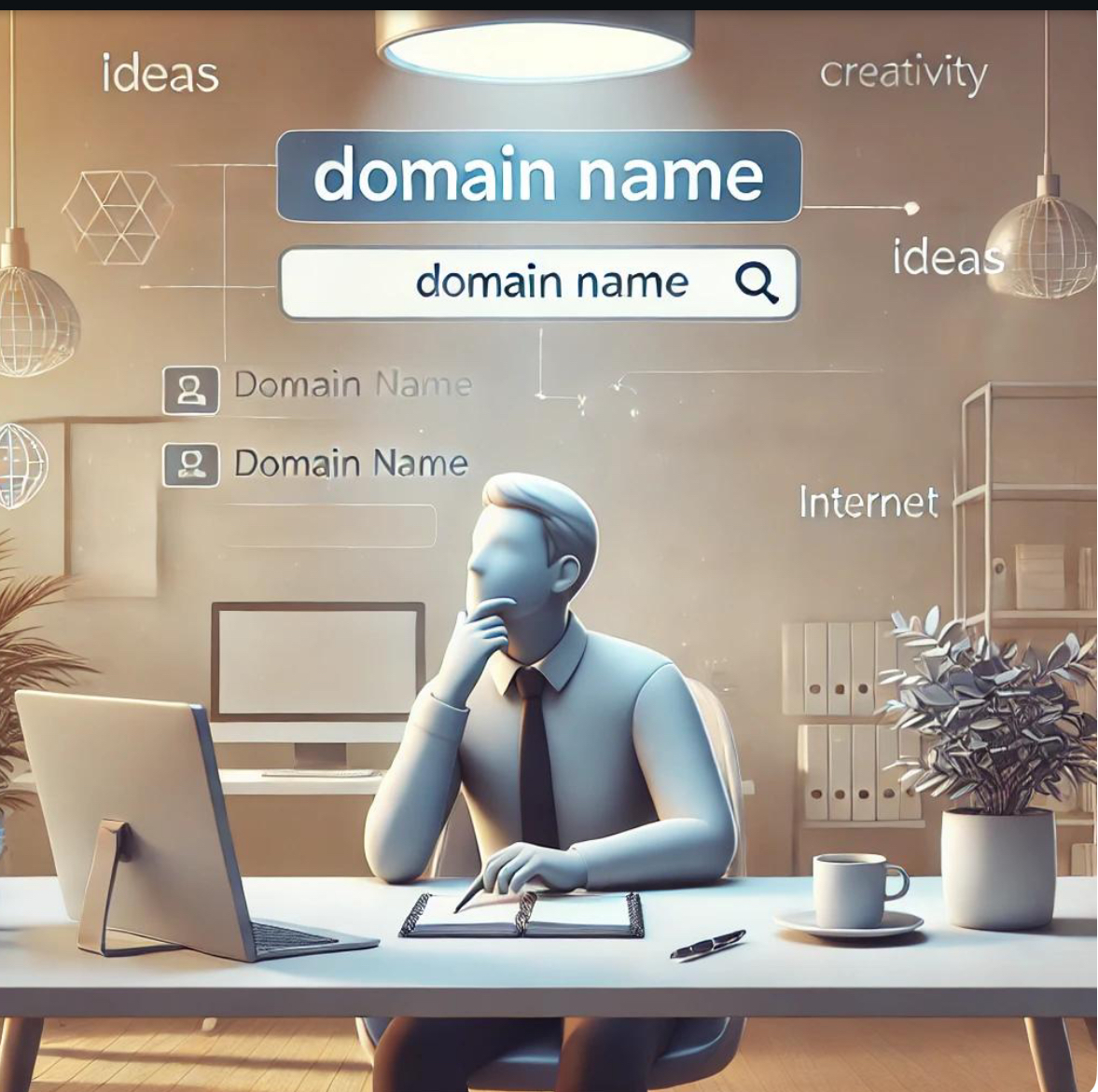
  • How to Choose the Perfect Domain Name for Your Brand


    Choosing the perfect domain name is one of the most important steps in establishing your brand's online presence. A well-thought-out domain name will set the tone for your brand’s identity and can even influence your success. It’s the first impression potential customers get when they visit your website, and it plays a vital role in search engine optimization (SEO), memorability, and overall brand recognition. But with millions of websites already established, how can you select a domain name that stands out and suits your brand?

    In this blog post, we will break down everything you need to know about choosing the perfect domain name, covering everything from strategy and creativity to practicality and availability. By the end of this article, you'll have all the tools necessary to pick a domain name that not only captures the essence of your brand but also helps you grow your online presence.

    # 1. The Importance of a Domain Name for Your Brand

    A domain name is much more than just an address on the internet; it represents your brand’s identity and plays a crucial role in the overall perception of your business. It's how people find you online, and it’s often the first thing potential customers see. The right domain name can improve user trust, enhance your SEO ranking, and provide a competitive edge in the market.

    When users see a well-branded domain name, they associate it with professionalism, reliability, and trustworthiness. Conversely, a poorly chosen domain name can confuse your audience, hurt your SEO efforts, and make it harder for customers to find you.

    Moreover, a great domain name can become a key part of your brand identity. Think of major companies you know—Apple, Amazon, Google. These names are memorable, short, and clearly connected to their respective brands. Your domain name has the potential to achieve the same level of recognition, but you have to carefully consider how you want your brand to be perceived online.

    # 2. Understand Your Brand Before You Start

    Before diving into brainstorming domain names, it’s essential to understand your brand deeply. The perfect domain name will reflect the values, personality, and goals of your brand. You need to think about the type of image you want to convey and who your target audience is.

    # Know Your Brand Values

    What does your brand stand for? Are you focused on sustainability, innovation, creativity, or customer service? The domain name you choose should reflect the core values of your brand. For instance, if your brand promotes eco-friendliness, your domain name could include green or eco-related keywords. Similarly, if your brand is focused on innovation, your domain might incorporate futuristic or cutting-edge words.

    # Define Your Audience

    Who are your ideal customers? A domain name that resonates with your target demographic will help foster connections and brand loyalty. For example, if you’re targeting younger consumers, a trendy or playful domain name might work well. On the other hand, a more formal or professional domain might be better suited for a B2B (business-to-business) audience.

    # Clarify Your Brand’s Purpose

    What is the primary function of your brand? Are you offering a product or service? Is your goal to educate, entertain, or provide a solution to a problem? The more you know about your brand’s purpose, the easier it will be to pick a domain name that aligns with your mission. A clear and descriptive domain name will make it easier for customers to understand what your brand is about, even before they visit your website.

    # 3. Keep It Short and Memorable

    When it comes to domain names, brevity is key. A short, memorable domain name is easier to recall, type, and share. Lengthy domain names can be hard to remember and are more prone to typos, which means you could lose out on potential traffic.

    # Limit the Number of Characters

    Try to keep your domain name under 15 characters, as shorter names are generally easier to remember and type. The more concise your domain name, the more likely users are to recall it later. Remember, you want your audience to easily share it with others, and shorter domain names facilitate this.

    # Easy to Spell

    Ensure that your domain name is easy to spell. If you choose a complicated or unfamiliar word, it could confuse users and result in lost website traffic. The easier your domain name is to type, the better. If your domain name is hard to spell, consider a simpler alternative or avoid unnecessary characters that could create confusion.

    # Use Words that are Easy to Pronounce

    Another important factor in choosing a domain name is how easy it is to pronounce. If your domain name is difficult to say, it can make it harder for people to share it verbally. If someone hears your domain name on a podcast, radio, or word-of-mouth, they should be able to easily repeat it and search for it online.

    # 4. Consider SEO Implications

    Your domain name plays a role in SEO. While it’s important not to overstuff your domain with keywords, having a relevant keyword in your domain name can still help with search engine rankings.

    [Domeinnaam kopen](https://flexahosting.nl/) (buying a domain name) is an essential step to consider from an SEO perspective. Choose a domain name that includes keywords relevant to your business. For example, if you run a bakery, you might want to incorporate terms like "cake," "bread," or "bakery" into your domain name. This helps search engines understand the context of your website and can improve your visibility in search engine results.

    # Avoid Keyword Stuffing

    While it’s important to include keywords, avoid keyword stuffing—i.e., overloading your domain name with unnecessary keywords. For example, a domain name like "best-cheap-shoes-for-sale-online.com" may be full of keywords, but it sounds unnatural and could be penalized by search engines. Instead, choose a more organic and brandable name that also conveys your niche.

    # Brandability vs. SEO

    In some cases, brandability is more important than SEO. A creative, unique domain name that isn’t focused on keywords could actually benefit your brand in the long run, especially if it’s easy to remember and type. The key is finding the right balance between branding and SEO. A well-chosen domain name will attract traffic and improve your brand’s visibility over time.

    # 5. Avoid Hyphens and Numbers

    When picking a domain name, it’s best to avoid hyphens, underscores, and numbers. These can make your domain name harder to remember and type. For example, “your-best-site.com” is not as clean or professional as “yourbestsite.com.” Similarly, numbers in a domain name can be confusing—do you use the number as a digit or as a word? Numbers can also lead to miscommunications, especially when people hear your domain name verbally.

    # Hyphens and Numbers Create Confusion

    Hyphens and numbers may also make it difficult to convey your domain name via word of mouth. Let’s say you tell someone your website is “great-shoes4you.com,” but they may not know whether it's the number "4" or the word "four." To keep things simple, stick to letters only. Your domain name should be as clean and straightforward as possible.

    # Professionalism Matters

    A professional-sounding domain name helps establish trust. Clients are less likely to take you seriously if your domain contains odd characters or confusing elements. A straightforward, easy-to-type name helps establish authority and makes your brand appear more credible.

    # 6. Check Domain Name Availability

    Once you have a few domain names in mind, you need to check if they are available for purchase. Unfortunately, many of the best domain names are already taken, so you may need to get creative.

    # Domain Name Extensions

    While “.com” is the most popular domain extension, it’s not the only option. There are various domain extensions to choose from, including .net, .org, and newer extensions like .store, .co, or even country-specific ones like .de or .nl. However, keep in mind that ".com" is often the most recognized and trusted extension. If possible, it’s generally a good idea to opt for a ".com" domain name, but if it’s unavailable, consider using a different extension that aligns with your brand.

    # Avoid Trademark Issues

    Before purchasing a domain name, make sure that the name doesn’t infringe on any trademarks. Using a name that’s too similar to a competitor’s brand could result in legal issues and lead to your domain being taken down. A simple trademark search can help you avoid these potential problems.

    # Use a Domain Name Generator

    If you’re having trouble finding the right name, you can use domain name generators. These tools can provide suggestions based on keywords, helping you come up with creative ideas. However, don’t solely rely on these tools—ensure that the domain name is unique, available, and aligned with your brand’s identity.

    # 7. Think About Longevity

    A domain name is a long-term investment. It’s something you’ll likely have for many years, so you want it to remain relevant as your business evolves. Choose a domain name that’s flexible enough to grow with your brand and can easily adapt to future changes in your product or service offerings.

    # Avoid Trends

    While it’s tempting to incorporate trends into your domain name, it’s important to think about how your name will age. Trendy names can quickly become outdated, which could make your business appear less relevant in the long run. Opt for something timeless and classic instead of jumping on short-lived fads.

    # Future-Proof Your Brand

    Consider where your brand might be in five or ten years. Does your domain name still fit the vision for your company’s growth? A domain name should give you room to expand and evolve as your brand matures. Be sure to choose a name that won’t restrict your business from exploring new opportunities in the

    # 8. Make It Unique and Stand Out

    One of the most critical factors when choosing a domain name is ensuring it is unique. A generic or overly used name can make it difficult to differentiate yourself from competitors, especially in highly competitive markets. Having a domain name that stands out is essential for building a memorable brand that customers can easily recognize and recall.

    # Avoid Generic Terms

    Using generic terms can make your brand less distinct. For example, names like "bestshoes.com" or "greatideas.com" are generic and already exist in numerous industries. Such names don't do much to build a unique identity. Instead, focus on coming up with something more original that can capture the attention of your audience. By being creative, you can stand out and make an impression on your visitors right from the start.

    # Creativity is Key

    A unique domain name allows you to craft a memorable and meaningful story around your brand. Creativity plays a vital role in building a brand identity, and the domain name is the first step in that process. You want your domain name to be something that’s not only memorable but also has the ability to spark curiosity. When people come across your domain, it should intrigue them enough to explore your website further. If you use familiar words or phrases that already exist in the market, you may miss the opportunity to create a distinct identity.

    # Brainstorming Techniques

    When brainstorming unique domain names, try using creative techniques such as combining words, coining new terms, or making use of metaphors and analogies. You can also create a completely new word or combine two words to create something fresh and meaningful. Take inspiration from your brand values, industry, and target audience, but avoid copying existing names. A unique domain name will also help in the long run with SEO, as search engines favor distinctive and relevant keywords that are not overly used.

    # 9. Test for Global Appeal

    As the internet is a global marketplace, your domain name should be easy to understand and accessible to people from different countries and cultures. A domain name that works in one language may have a different meaning or connotation in another, so it’s important to test your domain for international appeal.

    # Consider Multilingual Markets

    If you are targeting global markets or countries where multiple languages are spoken, make sure your domain name works across various languages. Some words may have negative or unwanted associations in certain cultures, so it’s essential to test your domain for these kinds of issues. For instance, words that are neutral in your language might have offensive meanings in other languages. Doing research into how your domain name is perceived across various markets can save you from embarrassing mistakes.

    # Think About Your Brand's Reach

    Even if you are not initially targeting an international audience, it's worth considering the potential for global expansion. You don’t want to pick a domain name that limits you to a particular region or language group, especially if your brand’s growth potential is broad. The ideal domain name should be scalable and flexible to accommodate future business plans, whether that includes moving into new markets or launching new products.

    # Universal Simplicity

    For maximum impact, a simple domain name is often best. Complex or culturally-specific words can be challenging for an international audience to remember or pronounce. A name that’s easy to spell, pronounce, and remember universally will help your brand resonate globally and not limit its reach.

    # 10. Check for Social Media Availability

    In today’s world, a cohesive online presence across multiple platforms is key to building your brand. After securing your domain name, it’s important to check the availability of your brand name on social media platforms like Facebook, Twitter, Instagram, and LinkedIn. Having the same name across all platforms ensures a unified brand identity, making it easier for customers to find and engage with you online.

    # Consistency Across Platforms

    Brand consistency across social media channels and your website is important for building recognition and trust. If your domain name is "YourBestSite.com," but your social media handles are different, customers may find it difficult to connect the dots. If your domain name and social media handles are aligned, it builds a sense of continuity and professionalism. Ensure that the name is available across all major platforms and try to claim your social media handles as soon as possible.

    # Short Social Media Handles

    Just like your domain name, your social media handles should be short, memorable, and easy to share. Long, complicated handles can confuse your audience and make it harder to promote your brand on platforms like Twitter or Instagram, where character limits and space are limited. Ideally, your social media name should closely match your domain name or a shortened version of it that’s easy to recognize.

    # Get Creative with Social Media Handles

    If your domain name is already taken as a social media handle, don't despair. You can still make it work by adding creative elements to your handle while keeping the essence of your brand intact. For example, you might use your business name along with the industry or location. This allows you to maintain consistency and relevance without losing your brand identity.

    # 11. Think About Your Brand's Story and Legacy

    Your domain name should be part of your brand’s story. When someone types your domain name into their browser, it should evoke emotions, memories, or images that represent your values and mission. It’s more than just an address—it’s a vehicle for your message, your brand’s legacy, and the connection you build with your customers.

    # Domain Name as Part of Your Legacy

    A great domain name contributes to the lasting legacy of your brand. Think about how Apple, Google, or Amazon have built their legacies through not just their products but also their powerful and memorable domain names. Your domain name is often the first impression a customer will have of your brand, so it should be something that reflects who you are and leaves a lasting impact.

    # Evolving with Your Brand

    As your brand grows and changes, your domain name should be flexible enough to evolve with you. For instance, if your brand pivots or expands into new products, the domain name should still apply and resonate with the new direction. You don't want a domain name that limits your potential or creates confusion about your brand’s purpose.

    # 12. Ensure It Is Easy to Protect

    Once you’ve chosen your perfect domain name, it’s time to protect it. The last thing you want is for someone else to acquire the domain after you’ve spent time and effort building your brand.

    # Register Your Domain Name Quickly

    Domains can be purchased by anyone, and they can be taken at any time. To avoid losing your ideal domain name, it’s important to register it as soon as possible. Many domain registrars allow you to check if a domain is available and purchase it immediately.

    # Consider Domain Privacy Protection

    When you register your domain, consider using domain privacy protection services. This will prevent your personal information, such as your address and phone number, from being publicly visible in domain records. While not required, privacy protection can help prevent spam, identity theft, and other unwanted issues.

    # Trademark Your Domain Name

    If you want to make sure no one else can use your brand’s domain name, consider trademarking your domain. This provides legal protection and prevents competitors or others from using a similar name that could confuse your customers. By securing the trademark, you are protecting your brand and your intellectual property.

    # 13. Make It Timeless

    A domain name is a long-term asset for your brand. Therefore, choosing one that stands the test of time is crucial. Avoid names that might feel dated in a few years, and instead, opt for something that can remain relevant and valuable as your brand evolves.

    # Avoid Using Short-Lived Trends

    While it’s tempting to jump on current trends, it’s important to think about the long-term implications. Trends come and go, and if your domain name is too trendy, it may not age well. Choose a name that is more timeless and will remain relevant for years to come.

    # Keep Your Brand’s Vision in Mind

    Think about where you want your brand to be in the future and select a domain name that will still be fitting as your brand grows. A well-chosen domain name will help you create a lasting legacy that reflects your brand’s values and mission for many years to come.

    # 14. Evaluate Your Domain Name's Potential for Marketing

    Your domain name isn’t just for your website; it plays a crucial role in your overall marketing strategy. It’s an essential part of any offline and online campaigns, influencing everything from print materials and business cards to digital ads and email marketing. As you choose a domain name, think about its marketing potential.

    # How Easy is It to Market?

    Your domain name should be easy to incorporate into marketing materials. Can it be used in a catchy slogan or tagline? A name that flows easily and has the potential for creative marketing will make your campaigns more effective. For instance, if you’re running ads or creating social media content, a short, snappy domain name can be the difference between a successful campaign and one that’s hard to remember.

    # Word-of-Mouth Marketing

    One of the best forms of marketing is word-of-mouth, and a memorable domain name is essential for encouraging this. When people hear your domain name, they should be able to easily recall it and share it with others. A name that’s simple, catchy, and relevant to your brand will make it easier for your customers to recommend your business to their friends and followers.

    # Promoting Your Domain in Content Marketing

    Your domain name should also integrate well with your content marketing strategy. If you create blogs, podcasts, videos, or social media posts, your domain name should be something that’s easily included in these formats. It should be natural to mention, easy to spell, and fit seamlessly with your overall branding.

    # The Role of URL Shorteners

    If your domain name is long or difficult to share, consider using URL shorteners to make your links more shareable. URL shorteners can create simple links that are easier to type and remember, which is especially useful for digital marketing efforts. For example, tools like Bitly allow you to create concise and trackable links to share on platforms like Twitter or in email campaigns.

    # 15. Get Feedback Before Making the Final Decision

    Before you make your domain name official, it's crucial to get feedback. Often, we’re so attached to our ideas that we may overlook key issues. Asking for input from friends, family, or even potential customers can provide insights that you might have missed.

    # Survey Your Target Audience

    Test your domain name with your target audience. If you can, ask them what they think about the name, whether it resonates with them, and if they find it easy to remember. This can be done informally through social media polls, emails, or small focus groups. Knowing what your customers think can help you choose a domain name that appeals to them and suits your brand.

    # Consider the Visual Appeal

    How does your domain name look in print or on a screen? A good domain name should look aesthetically pleasing and be easy to read. If it’s hard to type, hard to spell, or looks strange in print, it can detract from your brand’s overall appearance. Always consider how it will appear in logos, promotional material, and online platforms. A clean and visually appealing domain name makes your brand look more polished and professional.

    # Check for Any Negative Associations

    Get feedback on whether the domain name could have negative connotations that you may not have considered. What does the name remind people of? Does it have any hidden meanings or associations that could hurt your brand image? Even the smallest negative association can have a big impact on how your business is perceived.

    # 16. Register Your Domain for the Long-Term

    Once you’ve selected the perfect domain name for your brand, don’t delay in registering it. A domain is not just a one-time purchase but a long-term investment. It’s vital to secure the domain name for the longest possible period to avoid losing it to someone else.

    # How Long Should You Register Your Domain Name For?

    While domain names are typically sold in annual increments, consider registering your domain name for several years in advance. This helps to prevent accidental expiration and assures that no one else can claim it. Many domain registrars offer discounts or packages for registering domains for multiple years, so it’s often worthwhile to pay upfront for several years of ownership.

    # Keep Your Domain Registration Details Updated

    Make sure that your domain registration details, including your contact information, are always up-to-date. If the registrar is unable to reach you when your domain is about to expire, you may lose ownership of your domain. Regularly review your registration details and ensure your contact information is correct, especially if you change your email address or business contact info.

    # Consider Domain Renewal Reminders

    Set up reminders to renew your domain name before it expires. Many domain registrars provide auto-renewal services, but it’s a good practice to manually check your renewal date to ensure you don’t miss it. Losing your domain due to non-renewal can lead to costly and time-consuming issues, especially if it was a name integral to your brand.

    # 17. Don’t Rush – Take Your Time

    Choosing the right domain name for your brand is a big decision, and it’s not something you should rush into. It may take time to find the perfect name that aligns with your brand’s identity and vision. Be patient, and take the time to brainstorm, research, and test your options. After all, this domain name will represent your business online for years to come.

    # Give Yourself Time to Reflect

    Sometimes the best domain names come to you after a bit of reflection. If you’re unsure about a domain name, step away from the task for a while and let your thoughts settle. Often, the right name will become clear with time and a little distance. Don’t feel pressured to settle for a name just because you need one quickly.

    # Involve Your Team

    If you have a team or business partners, involve them in the decision-making process. Getting multiple perspectives will provide fresh insights and help ensure you select a name that everyone can stand behind. Plus, a team that’s invested in the name will be more likely to use it consistently and promote it across all platforms.

    # Reevaluate If Necessary

    If you find that your chosen domain name doesn’t feel right after you’ve registered it, don't be afraid to reevaluate. It’s better to take the time upfront to make sure everything aligns with your long-term goals than to end up regretting your decision. If needed, you can always rebrand or re-register a new domain name later on.

    **Conclusion**

    Choosing the perfect domain name for your brand is a critical step in establishing a successful online presence. Your domain name is more than just a web address—it’s an essential part of your branding, marketing, and SEO strategies. By keeping these tips in mind and carefully considering factors like originality, simplicity, and SEO potential, you can choose a domain name that sets your business up for long-term success.

    Remember, your domain name is the foundation of your online identity. Take your time to choose one that reflects your values, resonates with your audience, and helps you stand out from the competition. Once you’ve made your decision, register your domain name promptly and begin building your brand’s online presence with confidence.

    https://www.reddit.com/u/erepresent/s/Fl7ul3AwtN

    📮 How to Choose the Perfect Domain Name for Your Brand Choosing the perfect domain name is one of the most important steps in establishing your brand's online presence. A well-thought-out domain name will set the tone for your brand’s identity and can even influence your success. It’s the first impression potential customers get when they visit your website, and it plays a vital role in search engine optimization (SEO), memorability, and overall brand recognition. But with millions of websites already established, how can you select a domain name that stands out and suits your brand? In this blog post, we will break down everything you need to know about choosing the perfect domain name, covering everything from strategy and creativity to practicality and availability. By the end of this article, you'll have all the tools necessary to pick a domain name that not only captures the essence of your brand but also helps you grow your online presence. # 1. The Importance of a Domain Name for Your Brand A domain name is much more than just an address on the internet; it represents your brand’s identity and plays a crucial role in the overall perception of your business. It's how people find you online, and it’s often the first thing potential customers see. The right domain name can improve user trust, enhance your SEO ranking, and provide a competitive edge in the market. When users see a well-branded domain name, they associate it with professionalism, reliability, and trustworthiness. Conversely, a poorly chosen domain name can confuse your audience, hurt your SEO efforts, and make it harder for customers to find you. Moreover, a great domain name can become a key part of your brand identity. Think of major companies you know—Apple, Amazon, Google. These names are memorable, short, and clearly connected to their respective brands. Your domain name has the potential to achieve the same level of recognition, but you have to carefully consider how you want your brand to be perceived online. # 2. Understand Your Brand Before You Start Before diving into brainstorming domain names, it’s essential to understand your brand deeply. The perfect domain name will reflect the values, personality, and goals of your brand. You need to think about the type of image you want to convey and who your target audience is. # Know Your Brand Values What does your brand stand for? Are you focused on sustainability, innovation, creativity, or customer service? The domain name you choose should reflect the core values of your brand. For instance, if your brand promotes eco-friendliness, your domain name could include green or eco-related keywords. Similarly, if your brand is focused on innovation, your domain might incorporate futuristic or cutting-edge words. # Define Your Audience Who are your ideal customers? A domain name that resonates with your target demographic will help foster connections and brand loyalty. For example, if you’re targeting younger consumers, a trendy or playful domain name might work well. On the other hand, a more formal or professional domain might be better suited for a B2B (business-to-business) audience. # Clarify Your Brand’s Purpose What is the primary function of your brand? Are you offering a product or service? Is your goal to educate, entertain, or provide a solution to a problem? The more you know about your brand’s purpose, the easier it will be to pick a domain name that aligns with your mission. A clear and descriptive domain name will make it easier for customers to understand what your brand is about, even before they visit your website. # 3. Keep It Short and Memorable When it comes to domain names, brevity is key. A short, memorable domain name is easier to recall, type, and share. Lengthy domain names can be hard to remember and are more prone to typos, which means you could lose out on potential traffic. # Limit the Number of Characters Try to keep your domain name under 15 characters, as shorter names are generally easier to remember and type. The more concise your domain name, the more likely users are to recall it later. Remember, you want your audience to easily share it with others, and shorter domain names facilitate this. # Easy to Spell Ensure that your domain name is easy to spell. If you choose a complicated or unfamiliar word, it could confuse users and result in lost website traffic. The easier your domain name is to type, the better. If your domain name is hard to spell, consider a simpler alternative or avoid unnecessary characters that could create confusion. # Use Words that are Easy to Pronounce Another important factor in choosing a domain name is how easy it is to pronounce. If your domain name is difficult to say, it can make it harder for people to share it verbally. If someone hears your domain name on a podcast, radio, or word-of-mouth, they should be able to easily repeat it and search for it online. # 4. Consider SEO Implications Your domain name plays a role in SEO. While it’s important not to overstuff your domain with keywords, having a relevant keyword in your domain name can still help with search engine rankings. [Domeinnaam kopen](https://flexahosting.nl/) (buying a domain name) is an essential step to consider from an SEO perspective. Choose a domain name that includes keywords relevant to your business. For example, if you run a bakery, you might want to incorporate terms like "cake," "bread," or "bakery" into your domain name. This helps search engines understand the context of your website and can improve your visibility in search engine results. # Avoid Keyword Stuffing While it’s important to include keywords, avoid keyword stuffing—i.e., overloading your domain name with unnecessary keywords. For example, a domain name like "best-cheap-shoes-for-sale-online.com" may be full of keywords, but it sounds unnatural and could be penalized by search engines. Instead, choose a more organic and brandable name that also conveys your niche. # Brandability vs. SEO In some cases, brandability is more important than SEO. A creative, unique domain name that isn’t focused on keywords could actually benefit your brand in the long run, especially if it’s easy to remember and type. The key is finding the right balance between branding and SEO. A well-chosen domain name will attract traffic and improve your brand’s visibility over time. # 5. Avoid Hyphens and Numbers When picking a domain name, it’s best to avoid hyphens, underscores, and numbers. These can make your domain name harder to remember and type. For example, “your-best-site.com” is not as clean or professional as “yourbestsite.com.” Similarly, numbers in a domain name can be confusing—do you use the number as a digit or as a word? Numbers can also lead to miscommunications, especially when people hear your domain name verbally. # Hyphens and Numbers Create Confusion Hyphens and numbers may also make it difficult to convey your domain name via word of mouth. Let’s say you tell someone your website is “great-shoes4you.com,” but they may not know whether it's the number "4" or the word "four." To keep things simple, stick to letters only. Your domain name should be as clean and straightforward as possible. # Professionalism Matters A professional-sounding domain name helps establish trust. Clients are less likely to take you seriously if your domain contains odd characters or confusing elements. A straightforward, easy-to-type name helps establish authority and makes your brand appear more credible. # 6. Check Domain Name Availability Once you have a few domain names in mind, you need to check if they are available for purchase. Unfortunately, many of the best domain names are already taken, so you may need to get creative. # Domain Name Extensions While “.com” is the most popular domain extension, it’s not the only option. There are various domain extensions to choose from, including .net, .org, and newer extensions like .store, .co, or even country-specific ones like .de or .nl. However, keep in mind that ".com" is often the most recognized and trusted extension. If possible, it’s generally a good idea to opt for a ".com" domain name, but if it’s unavailable, consider using a different extension that aligns with your brand. # Avoid Trademark Issues Before purchasing a domain name, make sure that the name doesn’t infringe on any trademarks. Using a name that’s too similar to a competitor’s brand could result in legal issues and lead to your domain being taken down. A simple trademark search can help you avoid these potential problems. # Use a Domain Name Generator If you’re having trouble finding the right name, you can use domain name generators. These tools can provide suggestions based on keywords, helping you come up with creative ideas. However, don’t solely rely on these tools—ensure that the domain name is unique, available, and aligned with your brand’s identity. # 7. Think About Longevity A domain name is a long-term investment. It’s something you’ll likely have for many years, so you want it to remain relevant as your business evolves. Choose a domain name that’s flexible enough to grow with your brand and can easily adapt to future changes in your product or service offerings. # Avoid Trends While it’s tempting to incorporate trends into your domain name, it’s important to think about how your name will age. Trendy names can quickly become outdated, which could make your business appear less relevant in the long run. Opt for something timeless and classic instead of jumping on short-lived fads. # Future-Proof Your Brand Consider where your brand might be in five or ten years. Does your domain name still fit the vision for your company’s growth? A domain name should give you room to expand and evolve as your brand matures. Be sure to choose a name that won’t restrict your business from exploring new opportunities in the # 8. Make It Unique and Stand Out One of the most critical factors when choosing a domain name is ensuring it is unique. A generic or overly used name can make it difficult to differentiate yourself from competitors, especially in highly competitive markets. Having a domain name that stands out is essential for building a memorable brand that customers can easily recognize and recall. # Avoid Generic Terms Using generic terms can make your brand less distinct. For example, names like "bestshoes.com" or "greatideas.com" are generic and already exist in numerous industries. Such names don't do much to build a unique identity. Instead, focus on coming up with something more original that can capture the attention of your audience. By being creative, you can stand out and make an impression on your visitors right from the start. # Creativity is Key A unique domain name allows you to craft a memorable and meaningful story around your brand. Creativity plays a vital role in building a brand identity, and the domain name is the first step in that process. You want your domain name to be something that’s not only memorable but also has the ability to spark curiosity. When people come across your domain, it should intrigue them enough to explore your website further. If you use familiar words or phrases that already exist in the market, you may miss the opportunity to create a distinct identity. # Brainstorming Techniques When brainstorming unique domain names, try using creative techniques such as combining words, coining new terms, or making use of metaphors and analogies. You can also create a completely new word or combine two words to create something fresh and meaningful. Take inspiration from your brand values, industry, and target audience, but avoid copying existing names. A unique domain name will also help in the long run with SEO, as search engines favor distinctive and relevant keywords that are not overly used. # 9. Test for Global Appeal As the internet is a global marketplace, your domain name should be easy to understand and accessible to people from different countries and cultures. A domain name that works in one language may have a different meaning or connotation in another, so it’s important to test your domain for international appeal. # Consider Multilingual Markets If you are targeting global markets or countries where multiple languages are spoken, make sure your domain name works across various languages. Some words may have negative or unwanted associations in certain cultures, so it’s essential to test your domain for these kinds of issues. For instance, words that are neutral in your language might have offensive meanings in other languages. Doing research into how your domain name is perceived across various markets can save you from embarrassing mistakes. # Think About Your Brand's Reach Even if you are not initially targeting an international audience, it's worth considering the potential for global expansion. You don’t want to pick a domain name that limits you to a particular region or language group, especially if your brand’s growth potential is broad. The ideal domain name should be scalable and flexible to accommodate future business plans, whether that includes moving into new markets or launching new products. # Universal Simplicity For maximum impact, a simple domain name is often best. Complex or culturally-specific words can be challenging for an international audience to remember or pronounce. A name that’s easy to spell, pronounce, and remember universally will help your brand resonate globally and not limit its reach. # 10. Check for Social Media Availability In today’s world, a cohesive online presence across multiple platforms is key to building your brand. After securing your domain name, it’s important to check the availability of your brand name on social media platforms like Facebook, Twitter, Instagram, and LinkedIn. Having the same name across all platforms ensures a unified brand identity, making it easier for customers to find and engage with you online. # Consistency Across Platforms Brand consistency across social media channels and your website is important for building recognition and trust. If your domain name is "YourBestSite.com," but your social media handles are different, customers may find it difficult to connect the dots. If your domain name and social media handles are aligned, it builds a sense of continuity and professionalism. Ensure that the name is available across all major platforms and try to claim your social media handles as soon as possible. # Short Social Media Handles Just like your domain name, your social media handles should be short, memorable, and easy to share. Long, complicated handles can confuse your audience and make it harder to promote your brand on platforms like Twitter or Instagram, where character limits and space are limited. Ideally, your social media name should closely match your domain name or a shortened version of it that’s easy to recognize. # Get Creative with Social Media Handles If your domain name is already taken as a social media handle, don't despair. You can still make it work by adding creative elements to your handle while keeping the essence of your brand intact. For example, you might use your business name along with the industry or location. This allows you to maintain consistency and relevance without losing your brand identity. # 11. Think About Your Brand's Story and Legacy Your domain name should be part of your brand’s story. When someone types your domain name into their browser, it should evoke emotions, memories, or images that represent your values and mission. It’s more than just an address—it’s a vehicle for your message, your brand’s legacy, and the connection you build with your customers. # Domain Name as Part of Your Legacy A great domain name contributes to the lasting legacy of your brand. Think about how Apple, Google, or Amazon have built their legacies through not just their products but also their powerful and memorable domain names. Your domain name is often the first impression a customer will have of your brand, so it should be something that reflects who you are and leaves a lasting impact. # Evolving with Your Brand As your brand grows and changes, your domain name should be flexible enough to evolve with you. For instance, if your brand pivots or expands into new products, the domain name should still apply and resonate with the new direction. You don't want a domain name that limits your potential or creates confusion about your brand’s purpose. # 12. Ensure It Is Easy to Protect Once you’ve chosen your perfect domain name, it’s time to protect it. The last thing you want is for someone else to acquire the domain after you’ve spent time and effort building your brand. # Register Your Domain Name Quickly Domains can be purchased by anyone, and they can be taken at any time. To avoid losing your ideal domain name, it’s important to register it as soon as possible. Many domain registrars allow you to check if a domain is available and purchase it immediately. # Consider Domain Privacy Protection When you register your domain, consider using domain privacy protection services. This will prevent your personal information, such as your address and phone number, from being publicly visible in domain records. While not required, privacy protection can help prevent spam, identity theft, and other unwanted issues. # Trademark Your Domain Name If you want to make sure no one else can use your brand’s domain name, consider trademarking your domain. This provides legal protection and prevents competitors or others from using a similar name that could confuse your customers. By securing the trademark, you are protecting your brand and your intellectual property. # 13. Make It Timeless A domain name is a long-term asset for your brand. Therefore, choosing one that stands the test of time is crucial. Avoid names that might feel dated in a few years, and instead, opt for something that can remain relevant and valuable as your brand evolves. # Avoid Using Short-Lived Trends While it’s tempting to jump on current trends, it’s important to think about the long-term implications. Trends come and go, and if your domain name is too trendy, it may not age well. Choose a name that is more timeless and will remain relevant for years to come. # Keep Your Brand’s Vision in Mind Think about where you want your brand to be in the future and select a domain name that will still be fitting as your brand grows. A well-chosen domain name will help you create a lasting legacy that reflects your brand’s values and mission for many years to come. # 14. Evaluate Your Domain Name's Potential for Marketing Your domain name isn’t just for your website; it plays a crucial role in your overall marketing strategy. It’s an essential part of any offline and online campaigns, influencing everything from print materials and business cards to digital ads and email marketing. As you choose a domain name, think about its marketing potential. # How Easy is It to Market? Your domain name should be easy to incorporate into marketing materials. Can it be used in a catchy slogan or tagline? A name that flows easily and has the potential for creative marketing will make your campaigns more effective. For instance, if you’re running ads or creating social media content, a short, snappy domain name can be the difference between a successful campaign and one that’s hard to remember. # Word-of-Mouth Marketing One of the best forms of marketing is word-of-mouth, and a memorable domain name is essential for encouraging this. When people hear your domain name, they should be able to easily recall it and share it with others. A name that’s simple, catchy, and relevant to your brand will make it easier for your customers to recommend your business to their friends and followers. # Promoting Your Domain in Content Marketing Your domain name should also integrate well with your content marketing strategy. If you create blogs, podcasts, videos, or social media posts, your domain name should be something that’s easily included in these formats. It should be natural to mention, easy to spell, and fit seamlessly with your overall branding. # The Role of URL Shorteners If your domain name is long or difficult to share, consider using URL shorteners to make your links more shareable. URL shorteners can create simple links that are easier to type and remember, which is especially useful for digital marketing efforts. For example, tools like Bitly allow you to create concise and trackable links to share on platforms like Twitter or in email campaigns. # 15. Get Feedback Before Making the Final Decision Before you make your domain name official, it's crucial to get feedback. Often, we’re so attached to our ideas that we may overlook key issues. Asking for input from friends, family, or even potential customers can provide insights that you might have missed. # Survey Your Target Audience Test your domain name with your target audience. If you can, ask them what they think about the name, whether it resonates with them, and if they find it easy to remember. This can be done informally through social media polls, emails, or small focus groups. Knowing what your customers think can help you choose a domain name that appeals to them and suits your brand. # Consider the Visual Appeal How does your domain name look in print or on a screen? A good domain name should look aesthetically pleasing and be easy to read. If it’s hard to type, hard to spell, or looks strange in print, it can detract from your brand’s overall appearance. Always consider how it will appear in logos, promotional material, and online platforms. A clean and visually appealing domain name makes your brand look more polished and professional. # Check for Any Negative Associations Get feedback on whether the domain name could have negative connotations that you may not have considered. What does the name remind people of? Does it have any hidden meanings or associations that could hurt your brand image? Even the smallest negative association can have a big impact on how your business is perceived. # 16. Register Your Domain for the Long-Term Once you’ve selected the perfect domain name for your brand, don’t delay in registering it. A domain is not just a one-time purchase but a long-term investment. It’s vital to secure the domain name for the longest possible period to avoid losing it to someone else. # How Long Should You Register Your Domain Name For? While domain names are typically sold in annual increments, consider registering your domain name for several years in advance. This helps to prevent accidental expiration and assures that no one else can claim it. Many domain registrars offer discounts or packages for registering domains for multiple years, so it’s often worthwhile to pay upfront for several years of ownership. # Keep Your Domain Registration Details Updated Make sure that your domain registration details, including your contact information, are always up-to-date. If the registrar is unable to reach you when your domain is about to expire, you may lose ownership of your domain. Regularly review your registration details and ensure your contact information is correct, especially if you change your email address or business contact info. # Consider Domain Renewal Reminders Set up reminders to renew your domain name before it expires. Many domain registrars provide auto-renewal services, but it’s a good practice to manually check your renewal date to ensure you don’t miss it. Losing your domain due to non-renewal can lead to costly and time-consuming issues, especially if it was a name integral to your brand. # 17. Don’t Rush – Take Your Time Choosing the right domain name for your brand is a big decision, and it’s not something you should rush into. It may take time to find the perfect name that aligns with your brand’s identity and vision. Be patient, and take the time to brainstorm, research, and test your options. After all, this domain name will represent your business online for years to come. # Give Yourself Time to Reflect Sometimes the best domain names come to you after a bit of reflection. If you’re unsure about a domain name, step away from the task for a while and let your thoughts settle. Often, the right name will become clear with time and a little distance. Don’t feel pressured to settle for a name just because you need one quickly. # Involve Your Team If you have a team or business partners, involve them in the decision-making process. Getting multiple perspectives will provide fresh insights and help ensure you select a name that everyone can stand behind. Plus, a team that’s invested in the name will be more likely to use it consistently and promote it across all platforms. # Reevaluate If Necessary If you find that your chosen domain name doesn’t feel right after you’ve registered it, don't be afraid to reevaluate. It’s better to take the time upfront to make sure everything aligns with your long-term goals than to end up regretting your decision. If needed, you can always rebrand or re-register a new domain name later on. **Conclusion** Choosing the perfect domain name for your brand is a critical step in establishing a successful online presence. Your domain name is more than just a web address—it’s an essential part of your branding, marketing, and SEO strategies. By keeping these tips in mind and carefully considering factors like originality, simplicity, and SEO potential, you can choose a domain name that sets your business up for long-term success. Remember, your domain name is the foundation of your online identity. Take your time to choose one that reflects your values, resonates with your audience, and helps you stand out from the competition. Once you’ve made your decision, register your domain name promptly and begin building your brand’s online presence with confidence. https://www.reddit.com/u/erepresent/s/Fl7ul3AwtN
    Like
    3
    · 0 留言 ·0 分享 ·3K 瀏覽次數 ·0 評論
  • 國際同濟會2025年馬來西亞同濟會年會活動.

    2025 malaysia kiwanis district

    "Celebrating 25 years of Kiwanis Service."
    Dear Fellow Kiwanians,
    Come and experience the magic of Kuala Lumpur, Malaysia—a city where tradition meets modernity,
    and diversity thrives! We are excited to invite you to the Kiwanis Malaysia District Convention 2025 for a
    time of fellowship, inspiration, and celebration.
    Date: 22nd – 24th August 2025
    Venue: 5-Star Hotel, Imperial Lexis, Kuala Lumpur
    Price: RM 750 Per Pax
    This is more than just a convention; it’s a chance to reconnect, be inspired, and celebrate our Kiwanis spirit together.
    Save the Date! We can’t wait to welcome you to an unforgettable experience in the heart of Malaysia.

    https://kiwanis.org.my/events/district-convention-2025


    致馬來西亞各地的同濟會友們!
    第 25屆馬來西亞國際同濟會總會年會 即將隆重舉行,這是一個展現貴社熱忱、付出與影響力的絕佳機會 —— Kiwanis Malaysia District Awards 正在等著您的精彩參與!
    部分獎項將高度競爭 —— 而您的同濟會可能就是榮登榜首的優勝者! 只需展現成果、分享成就,並通過官方的 Google 表格提交您的參賽資料即可。


    #同濟會
    #kiwanis
    #全國年會
    #國際同濟會
    #永康同濟會
    #馬來西亞同濟會
    國際同濟會2025年馬來西亞同濟會年會活動. 2025 malaysia kiwanis district "Celebrating 25 years of Kiwanis Service." Dear Fellow Kiwanians, Come and experience the magic of Kuala Lumpur, Malaysia—a city where tradition meets modernity, and diversity thrives! We are excited to invite you to the Kiwanis Malaysia District Convention 2025 for a time of fellowship, inspiration, and celebration. 📅 Date: 22nd – 24th August 2025 📍 Venue: 5-Star Hotel, Imperial Lexis, Kuala Lumpur 💰 Price: RM 750 Per Pax This is more than just a convention; it’s a chance to reconnect, be inspired, and celebrate our Kiwanis spirit together. Save the Date! We can’t wait to welcome you to an unforgettable experience in the heart of Malaysia. 📮 https://kiwanis.org.my/events/district-convention-2025 致馬來西亞各地的同濟會友們! 第 25屆馬來西亞國際同濟會總會年會 即將隆重舉行,這是一個展現貴社熱忱、付出與影響力的絕佳機會 —— Kiwanis Malaysia District Awards 正在等著您的精彩參與! 部分獎項將高度競爭 —— 而您的同濟會可能就是榮登榜首的優勝者! 只需展現成果、分享成就,並通過官方的 Google 表格提交您的參賽資料即可。 #同濟會 #kiwanis #全國年會 #國際同濟會 #永康同濟會 #馬來西亞同濟會
    Like
    1
    · 0 留言 ·0 分享 ·3K 瀏覽次數 ·0 評論
  • When your project calls for strength, beauty, and responsibility, choose roofing from ChuanyaBuilding. As a provider of Environmentally Friendly Roofing Materials, they blend style with environmental care. These solutions reduce resource waste and last through years of exposure—perfect for sustainable homes and public buildings alike.
    √Customizable styles and finishes
    √Easy handling and quick installation
    √Weather-resistant structure
    Get full specifications and inspiration at https://www.chuanyabuilding.com/
    #Easy-to-install Roofing Materials #Environmentally Friendly Roofing Materialsa
    When your project calls for strength, beauty, and responsibility, choose roofing from ChuanyaBuilding. As a provider of Environmentally Friendly Roofing Materials, they blend style with environmental care. These solutions reduce resource waste and last through years of exposure—perfect for sustainable homes and public buildings alike. √Customizable styles and finishes √Easy handling and quick installation √Weather-resistant structure Get full specifications and inspiration at https://www.chuanyabuilding.com/ #Easy-to-install Roofing Materials #Environmentally Friendly Roofing Materialsa
    0 留言 ·0 分享 ·1K 瀏覽次數 ·0 評論
MGBOX https://magicbox.mg