FUT Hair Transplant in Dubai Recovery Timeline Details
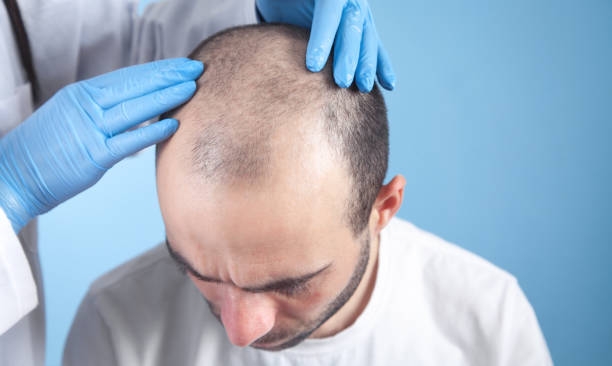
The period following a surgical hair restoration is as critical as the procedure itself. In the medical landscape of the UAE, a FUT hair transplant in Dubai (Follicular Unit Transplantation) involves a specific biological healing sequence. Unlike non-surgical treatments, the "Strip Method" requires the body to repair a donor incision while simultaneously anchoring new grafts into the recipient area.
This guide provides a clinical day-by-day and month-by-month breakdown of what to expect, from the initial "tightness" of the scalp to the final maturation of your new hair.
The First 14 Days: The Acute Healing Phase
The first two weeks of a FUT hair transplant in Dubai recovery are focused on wound closure and graft stabilization.
Days 1 to 3: Managing Swelling and Tightness
In clinical settings, we observe that the most common experience during the first 72 hours is a sensation of "fullness" or "tightness" at the donor site.
-
Physical Sensation: You may feel like you are wearing a very snug headband.
-
Swelling: It is normal for localized swelling to move from the hairline down toward the forehead and occasionally the eyes.
-
Graft Care: The recipient area will have tiny scabs. It is vital not to touch, rub, or scratch these sites during this window.
Days 4 to 10: The Itching Phase
As the skin begins to heal, the inflammatory response transitions. Patients often report mild itching in both the donor and recipient areas.
-
Clinical Insight: Itching is a sign of histamine release during tissue repair. We recommend using a saline spray provided by the clinic to soothe the area without physical contact.
-
Appearance: The tiny scabs begin to dry and will eventually flake off naturally.
Day 14: Suture Removal
The removal of sutures or staples at the clinic is a major milestone. Based on post-procedure follow-ups, patients report an immediate and significant relief from scalp tension once the sutures are out. At this point, the donor scar is closed, and you can return to a more normal hair-washing routine.
The Shedding and Growth Phase: Months 1 to 12
Once the physical wounds have healed, the biological growth cycle of the hair takes over.
Month 1: The "Shock Loss" Stage
Many patients feel a sense of alarm when their newly transplanted hairs begin to fall out about 3 to 4 weeks after their FUT hair transplant in Dubai.
-
The Reality: This is "telogen effluvium" or shock loss. The hair shaft falls out, but the follicle remains alive and healthy beneath the skin.
-
Sensory Note: The donor scar may appear slightly pink during this time; this is a normal part of the remodeling phase of the skin.
Months 3 to 6: Early Sprouting
Between the third and fourth month, fine, thin hairs begin to emerge from the scalp. These hairs are often soft at first but will gradually thicken as blood flow to the area increases.
Months 9 to 12: Maturity and Density
By the ninth month, most of the transplanted hair has surfaced. During the final months of the FUT hair transplant in Dubai timeline, the hair gains "texture" and "caliber," meaning it becomes coarser and more resilient, matching the rest of your natural hair.
Experience-Driven Patient Insights
"I was worried when the swelling hit my forehead on day three, but the team at Tajmeels had warned me. By day five, it was gone. The 'tight' feeling at the back was gone the second they took the stitches out." — Hamad
"Seeing the hair fall out after a month was scary even though I knew it would happen. But around month four, I saw the first sprouts. Now at one year, the density is incredible, and the scar is just a thin line I can't even feel." — Christopher
Frequently Asked Questions
When can I resume heavy exercise after a FUT hair transplant in Dubai?
We advise waiting at least 4 to 6 weeks before resuming heavy weightlifting or intense cardio. Straining the neck muscles can cause the donor scar to stretch, which can make the final scar wider than desired.
How soon can I wear a hat?
You can usually wear a loose-fitting cap after the first 7 to 10 days. However, the hat must not touch the recipient area. We recommend waiting until the scabs have completely fallen off before wearing tight-fitting hats or helmets.
Is the recovery more painful than other methods?
The surgical day is painless due to anesthesia. The recovery involves more "tightness" than the FUE method because of the incision. In clinical settings, we find this is easily managed with prescribed comfort medications and proper sleeping positions.
When will the donor scar be invisible?
The donor scar is a fine line that is hidden by your hair immediately after surgery. The scar itself will fade from pink to a thin, silver-white line over the course of 6 to 12 months, becoming virtually undetectable under your natural hair.
Why Choose Tajmeels Clinic
At Tajmeels Clinic, we guide you through every day of your FUT hair transplant in Dubai recovery. Our Senior Medical Strategists provide detailed post-operative protocols to ensure your grafts are protected and your donor site heals with minimal scarring. We use the most advanced "Trichophytic Closure" techniques to optimize the donor area's appearance. We offer a professional, supportive environment with regular follow-ups to monitor your growth milestones, ensuring you reach your goal of a full, natural head of hair with total confidence.
閱讀更多
Welcome! If you're here, chances are you're looking to buy Facebook accounts but want to ensure you're making the right decision. Whether you're a business owner seeking a quick way to scale your ads, a marketer looking for aged accounts, or simply someone who needs multiple accounts for your strategy, this guide will help you make an informed decision.At BestSMMExpert, we specialize in...

If you’re looking to buy Facebook account with Marketplace, you’ve come to the right place. Whether you’re a business owner, an e-commerce seller, or someone who needs access to Facebook Marketplace for personal use, this guide will help you make an informed decision. At BestSMMExpert, we specialize in providing high-quality, secure, and reliable Facebook accounts with...

If you’re looking to buy Facebook account for ads, you’re in the right place. Whether you’re a business owner, marketer, or advertiser, having a reliable Facebook account for running ads is essential for scaling your campaigns and reaching your target audience. At BestSMMExpert, we provide high-quality, secure, and ad-ready Facebook accounts to help you achieve your...