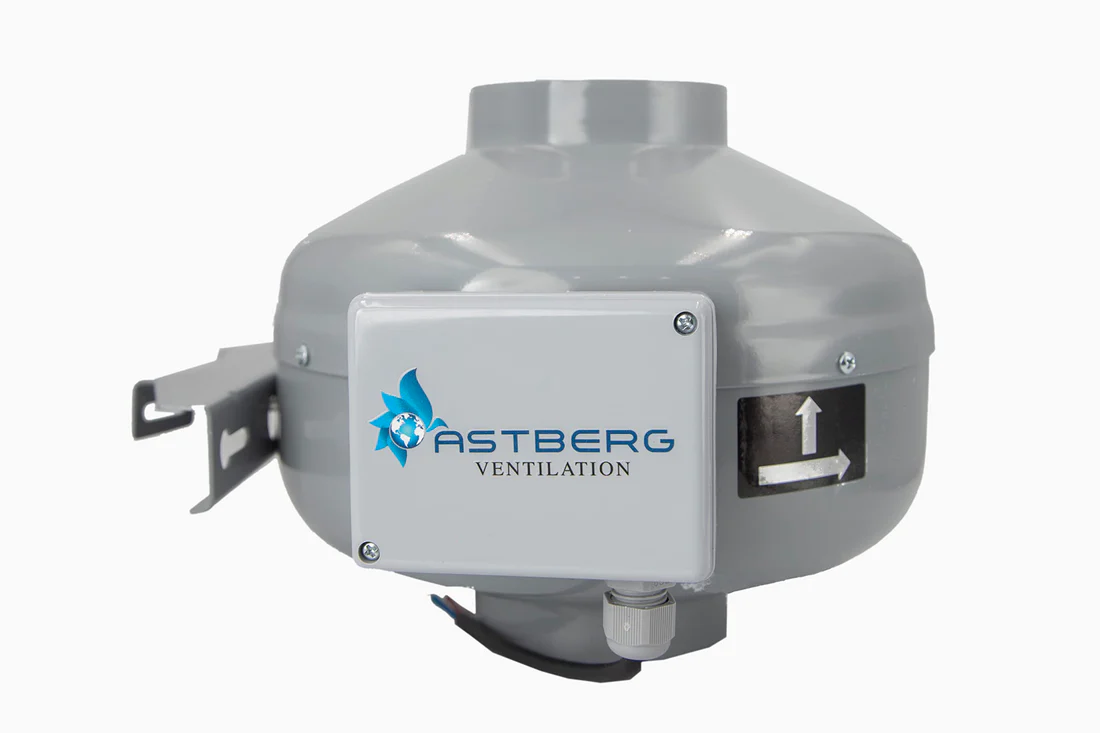

A well-functioning ventilation fan plays a crucial role in maintaining indoor air quality, controlling humidity, and preventing the buildup of odors and airborne contaminants. Whether installed in a bathroom, kitchen, office, or commercial setting, regular maintenance ensures that the unit performs efficiently and lasts longer. Unfortunately, ventilation fans are often overlooked until they become noisy, slow, or ineffective.
This guide explains how to maintain and clean your ventilation fan properly, why it matters, and how consistent care protects both your indoor environment and your investment.
Why Regular Maintenance Is Important
A ventilation fan works by pulling stale air, moisture, and pollutants out of a room. Over time, dust, grease, and debris accumulate inside the fan housing and on the blades. When this buildup occurs, airflow decreases, noise increases, and the motor may become strained.
Neglecting maintenance can lead to:
- Reduced airflow efficiency
- Increased energy consumption
- Overheating of internal components
- Shortened motor lifespan
- Poor indoor air quality
Routine cleaning helps prevent mold growth in humid spaces like bathrooms and kitchens, where excess moisture can damage walls and ceilings.
How Often Should You Clean a Ventilation Fan?
For most residential settings, cleaning a ventilation fan every six months is recommended. However, frequency may vary depending on usage:
- Bathroom fans used daily may require cleaning every 3–4 months.
- Kitchen fans exposed to grease may need more frequent attention.
- Commercial or high-traffic areas may require quarterly maintenance.
Regular inspection helps determine whether additional cleaning is needed.
Safety First: Preparing for Maintenance
Before beginning any cleaning process, ensure safety by following these steps:
- Turn off the power at the switch and circuit breaker.
- Allow the fan motor to cool if recently used.
- Use a stable ladder for ceiling-mounted units.
- Wear protective gloves and a dust mask if necessary.
Disconnecting power reduces the risk of electrical shock and accidental activation.
Step-by-Step Guide to Cleaning a Ventilation Fan
1. Remove the Cover
Most ventilation fan covers are held in place with clips or screws. Gently pull down the cover and release it from the mounting brackets. Some covers may be slightly spring-loaded.
Wash the cover in warm, soapy water. Use a soft brush to remove dirt buildup. Allow it to dry completely before reinstallation.
2. Clean Dust from the Interior
Using a vacuum cleaner with a brush attachment, carefully remove dust and debris from the fan housing and surrounding areas. Pay attention to corners where dust accumulates.
Avoid forcing the vacuum too close to delicate wiring.
3. Clean the Fan Blades
Dust-coated blades reduce airflow efficiency. Use a damp cloth or soft brush to wipe the blades gently. If grease is present, especially in kitchen ventilation fans, use mild detergent to remove buildup.
Take care not to bend or damage the blades.
4. Inspect the Motor and Wiring
While cleaning, check for loose connections, visible wear, or unusual debris near the motor. Do not attempt to dismantle internal motor components unless you are experienced or have manufacturer guidance.
If you notice unusual wear, burning smells, or damaged wiring, consult a qualified technician.
5. Reassemble and Test
Once all parts are dry and clean, reattach the cover securely. Restore power and test the ventilation fan to ensure it runs smoothly and quietly.
Preventive Maintenance Tips
In addition to cleaning, several preventive steps can improve performance and extend the lifespan of your ventilation fan.
Ensure Proper Vent Duct Function
Blocked or damaged ductwork can reduce airflow efficiency. Periodically inspect external vents to ensure they are not obstructed by debris, leaves, or nests.
Restricted ducts force the fan motor to work harder, increasing wear and energy use.
Lubrication (If Required)
Some older ventilation fan models may require motor lubrication. Check the manufacturer’s manual before applying any lubricant. Many modern fans have sealed bearings and do not require lubrication.
Replace Worn Components
If the fan remains noisy or ineffective after cleaning, worn parts may need replacement. Common replacement components include:
- Fan motor
- Blades
- Mounting brackets
- Duct connectors
Upgrading to a newer energy-efficient ventilation fan may be a better long-term solution if the unit is outdated.
Signs Your Ventilation Fan Needs Attention
Recognising early warning signs prevents costly repairs. Look out for:
- Increased noise or rattling
- Weak airflow
- Persistent odors
- Excess moisture buildup
- Delayed start-up
If cleaning does not resolve these issues, professional servicing may be required.
Benefits of Proper Ventilation Fan Maintenance
Maintaining your ventilation fan provides several important benefits:
Improved Air Quality
A clean fan removes airborne particles and humidity more effectively, reducing mold risk and unpleasant odors.
Energy Efficiency
When airflow is unobstructed, the motor operates more efficiently, lowering electricity consumption.
Extended Equipment Lifespan
Routine maintenance prevents strain on internal components, extending the service life of the unit.
Reduced Repair Costs
Regular cleaning identifies minor issues before they escalate into major repairs.
Professional Servicing vs DIY Maintenance
Basic cleaning can be handled by most homeowners. However, professional servicing may be necessary if:
- The fan is integrated into complex duct systems
- Electrical issues are suspected
- The unit is installed in a commercial building
- Noise persists after cleaning
A licensed technician can inspect internal components thoroughly and ensure safe operation.
Choosing the Right Ventilation Fan for Easy Maintenance
If you are replacing or installing a new ventilation fan, consider models designed for easy cleaning. Features to look for include:
- Removable covers
- Accessible motor housing
- Energy-efficient ratings
- Low-noise operation
- Built-in humidity sensors
Selecting a quality unit reduces maintenance challenges and enhances long-term performance.
Final Thoughts
A ventilation fan is a vital component of indoor air management, especially in moisture-prone areas. Regular cleaning and maintenance ensure optimal airflow, energy efficiency, and durability.
By following a consistent maintenance schedule, inspecting ducts, and addressing issues early, you can protect both your indoor environment and your equipment investment. Whether in a residential or commercial setting, proper care keeps your ventilation fan operating safely and effectively for years to come.