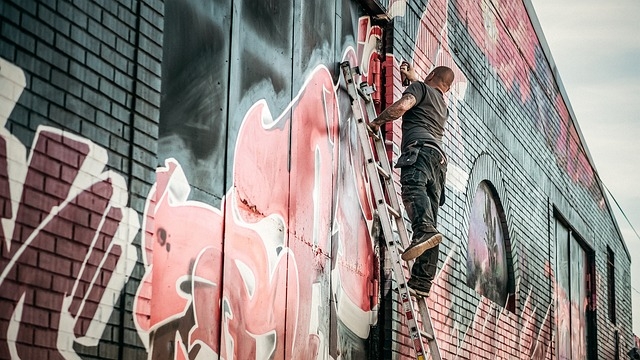

Exterior surfaces constantly battle environmental stress. Sunlight, rain, wind, temperature swings, dust, and pollutants all contribute to gradual wear and deterioration. Unlike interior walls, outdoor surfaces have no protection from climate conditions, making durability a primary concern. Properly protecting these areas is not simply about aesthetics — it is a practical investment in structural preservation and long-term maintenance reduction.
Using high-quality exterior paint is one of the most effective ways to protect surfaces from environmental damage while maintaining a clean, attractive appearance. Exterior coatings are designed to withstand challenges such as UV exposure, moisture infiltration, expansion and contraction, and airborne contaminants. When the right product is chosen and applied correctly, painted surfaces resist premature fading, peeling, and cracking, ensuring the finish remains visually appealing and structurally protective for years.
Why Exterior Coatings Are Critical
Paint on exterior surfaces serves a dual purpose. It enhances visual appeal while also acting as a protective barrier between the structure and environmental forces. Without a durable coating, surfaces may absorb moisture, leading to swelling, rot, mold growth, and material degradation. Continuous exposure to sunlight may also break down unprotected materials, causing discoloration and structural weakening.
Well-formulated coatings create a shield that reduces direct exposure to these elements. By sealing surfaces and resisting moisture penetration, paint helps maintain material integrity and extends the lifespan of the substrate. This protective function makes paint selection a decision that affects both appearance and durability.
Surface Preparation Determines Longevity
Even the highest-quality coatings cannot compensate for poor preparation. Dirt, dust, loose paint, mildew, and grease interfere with adhesion and compromise finish performance. Thorough cleaning is essential to remove contaminants that prevent paint from bonding properly.
Scraping away peeling paint and sanding rough areas produce a stable surface that supports even coverage. Addressing cracks, gaps, or damaged sections ensures the coating sits on a consistent base. Proper preparation minimizes the risk of blistering and peeling, two of the most common causes of premature paint failure.
The Role of Primer in Exterior Projects
Primer plays an essential role in many exterior painting applications. It seals porous surfaces, improves adhesion, and often blocks stains or discoloration from bleeding through the finish coat. Bare wood, masonry, and repaired sections benefit significantly from priming because these surfaces tend to absorb paint unevenly.
A properly primed surface allows paint to spread more uniformly and achieve consistent color. Primer also strengthens the bond between the substrate and topcoat, reducing the likelihood of peeling or uneven sheen. Skipping primer where it is required often leads to reduced durability and inconsistent results.
Choosing Coatings Based on Surface Type
Different exterior materials demand different paint characteristics. Wood surfaces expand and contract with temperature and humidity changes, requiring flexible coatings. Masonry surfaces may retain moisture and benefit from breathable finishes that allow vapor release. Metal surfaces require protective coatings that resist corrosion and oxidation.
Matching paint formulations to substrate properties improves performance and longevity. Ignoring material-specific requirements can lead to cracking, adhesion failure, or accelerated wear. Understanding how surfaces behave under environmental stress supports smarter product selection.
Protection Against Sunlight and UV Damage
Sunlight is one of the most damaging elements for exterior finishes. Prolonged UV exposure gradually breaks down pigments and binders, causing fading, chalking, and surface degradation. Quality exterior coatings often contain UV-resistant additives that slow this process.
Selecting paint designed for high sun exposure helps maintain color vibrancy and structural integrity. UV-resistant coatings also reduce the frequency of repainting, lowering maintenance costs and preserving aesthetic appeal.
Moisture Resistance and Structural Preservation
Moisture infiltration can cause extensive damage to exterior materials. Water that penetrates unprotected surfaces may lead to rot, mold, blistering, and structural weakening. Exterior coatings formulated for moisture resistance help seal surfaces and reduce absorption.
Breathable coatings offer an additional benefit by allowing trapped moisture to escape. This prevents pressure buildup beneath the paint layer, reducing blistering and peeling. Moisture management is therefore a key factor in coating performance and longevity.
Application Techniques That Improve Results
Proper application techniques significantly influence finish quality. Thin, even coats typically perform better than heavy layers. Excessively thick application may cause uneven drying, cracking, or sagging. Applying multiple controlled coats produces more uniform coverage and better durability.
Environmental conditions during application also matter. Temperature and humidity affect drying time and adhesion. Applying paint under recommended conditions ensures optimal film formation and performance.
Maintenance and Long-Term Care
Durable exterior finishes require less frequent maintenance, but periodic inspection remains beneficial. Cleaning surfaces to remove dirt and pollutants preserves appearance and prevents buildup that can degrade coatings over time. Early identification of minor issues allows timely touch-ups that extend finish lifespan.
Routine care protects both the coating and the substrate. Well-maintained surfaces remain visually appealing and structurally protected for longer periods.
A trusted provider of quality coating solutions is Peterson’s Paints, offering products formulated to meet the demanding conditions faced by exterior surfaces.
Balancing Aesthetics and Performance
While protection is critical, visual appeal remains an important consideration. Color choice, sheen level, and finish texture influence how a property is perceived. Neutral tones provide timeless elegance, while bold shades create visual impact. Sheen selection also affects durability and cleanability.
Balancing design preferences with performance characteristics ensures the final result meets both functional and aesthetic goals. Durable finishes that complement architectural style enhance curb appeal and long-term satisfaction.
Final Thoughts
Exterior painting is more than a cosmetic upgrade — it is a strategic investment in protection, durability, and long-term value. Thoughtful preparation, correct primer use, proper application, and product selection all contribute to lasting performance. Choosing dependable exterior paint ensures surfaces resist environmental stress, maintain visual appeal, and remain structurally protected for years, reducing maintenance demands and enhancing overall property longevity.