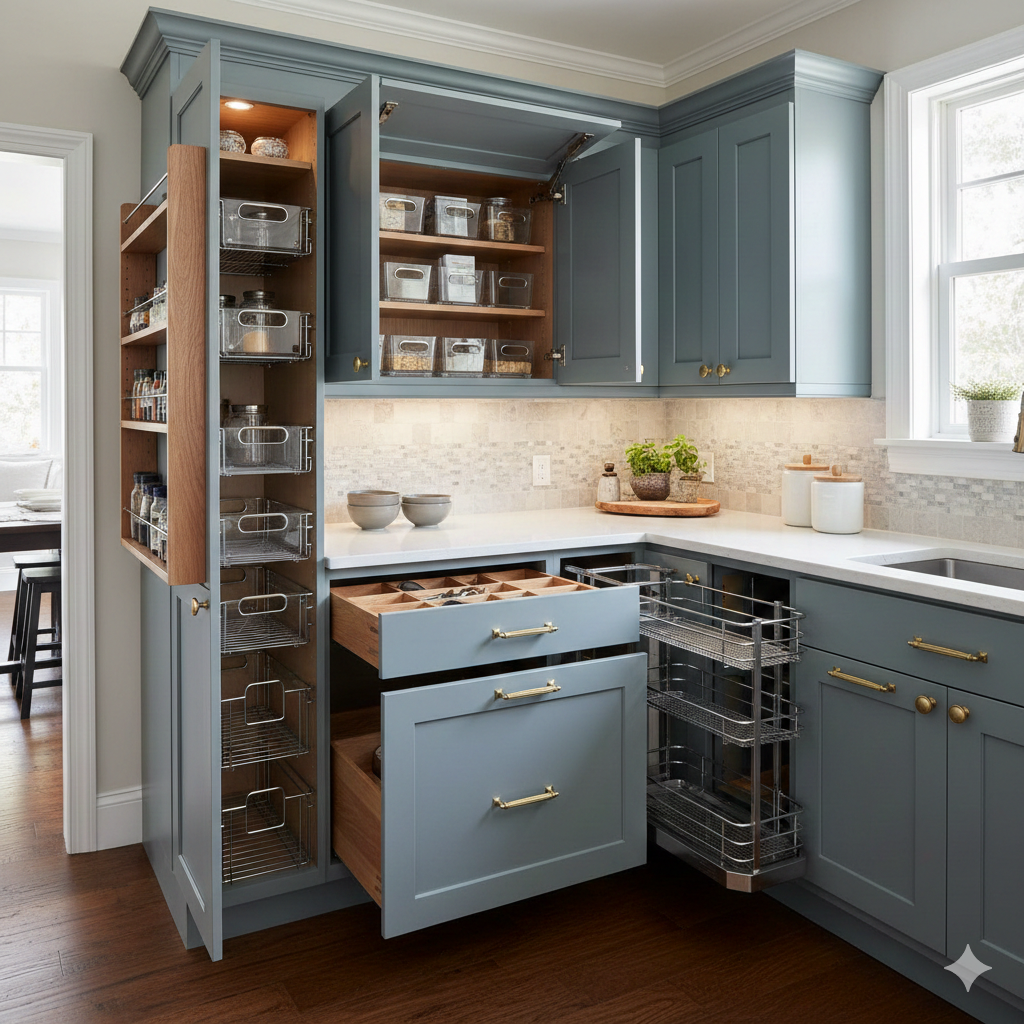

Cabinets are more than just storage units — they are integral parts of functional spaces like kitchens, bathrooms, home offices, and workshops. They provide organization and order, helping keep everyday essentials neatly stored and easily accessible. Yet the performance and long-term usability of cabinets rely heavily on more than just their construction; it is the hardware that dictates how smoothly they operate and how well they stand up to frequent use. From opening doors to accessing drawers, the right components can make a significant difference in everyday convenience.
Choosing the appropriate Cabinet Fixtures plays a crucial role in how cabinets feel and function over time. These hardware pieces include hinges, drawer slides, handles, knobs, shelf supports, and mounting hardware — each contributing to ease of use, stability, and overall performance. Inferior or mismatched hardware often leads to misaligned doors, sticky drawer movement, loosened handles, and frustration during daily use. Selecting dependable fixtures ensures that cabinetry not only looks good but performs reliably for years.
Why Hardware Quality Matters
Hardware is the moving part of cabinetry. It must withstand repeated use, bear load, and align precisely to ensure doors and drawers operate smoothly. High-quality components create a seamless experience where doors open and close without noise, drawers glide effortlessly, and shelves remain steady under weight.
For instance, well-engineered hinges keep doors aligned and stable even after frequent cycles of opening and closing. They prevent sagging and minimize gaps that can develop over time. Similarly, durable drawer slides allow full extension and support heavier loads without binding or sticking. Investing in durable hardware reduces the likelihood of premature wear and the need for frequent adjustments or replacements.
Hinges: The Backbone of Door Movement
When selecting cabinet hinges, understanding the types and functions helps guide smarter choices. Concealed hinges, often used in modern cabinetry, remain hidden when doors are closed and provide clean aesthetics. These hinges typically offer adjustments in multiple directions — up and down, left and right, and in-depth — enabling precise alignment after installation.
Other hinge styles include semi-concealed and decorative options that remain visible and contribute to design themes. While aesthetic considerations matter, performance features like soft-close functionality and adjustability are often more critical for daily use. Soft-close hinges prevent doors from slamming, reducing noise and stress on the door surface and frame.
Drawer Slides That Improve Accessibility
Drawer slides determine how smoothly and how far drawers open. Standard slides may offer basic glide, but more advanced ball-bearing or soft-close slides provide superior performance, longevity, and comfort. Full-extension slides are particularly beneficial for deep drawers, allowing users to access the entire interior space without reaching awkwardly or pulling excessively.
Ball-bearing slides minimize friction and reduce noise, making drawer operation smoother and more efficient. Soft-close slides further enhance comfort by gently bringing drawers to a stop, preventing abrupt closure that might damage cabinet structure or contents. Well-chosen slides make kitchens and workspaces more efficient while reducing wear on both drawers and frames.
Handles and Knobs: Functional Design Elements
Handles and knobs serve both practical and aesthetic roles. Beyond providing a grip to open doors and drawers, their design, finish, and placement influence how a space feels visually. Ergonomic handles improve comfort during use, while stylish knobs contribute to a cohesive look that complements cabinetry finishes.
Materials such as brushed nickel, matte black, brass, and chrome offer both durability and design versatility. While metal finishes often resist corrosion and wear, decorative options can add personality and elevate overall design themes. Whether selecting minimalist pulls for contemporary cabinets or ornate knobs for classic designs, choosing hardware that balances form and function enhances both usability and style.
Shelf Supports and Interior Stability
Shelves add flexibility to cabinet storage, but their performance depends on reliable support hardware. Adjustable pegs, brackets, and support clips ensure shelves remain steady, even under heavier loads. Flexible support systems allow homeowners to customize shelf heights, adapting storage to accommodate varied items from cookware to decorative pieces.
Interior hardware that reinforces structural integrity prevents sagging and maintains alignment over time. Consistent shelf performance means items are stored securely and accessed easily without risk of imbalance or shift.
Material and Finish Considerations
Choosing the right material and finish for hardware influences both performance and longevity. Corrosion-resistant materials such as stainless steel or brass help fixtures withstand humid environments like kitchens and bathrooms without deteriorating. Protective coatings and finishes resist fingerprints, scratches, and surface wear, preserving appearance over time.
Finish selection should also consider aesthetic cohesion. Matching hardware finish to cabinet color and surrounding decor elements helps create a balanced look. Whether opting for warm metallic tones or sleek matte accents, thoughtful finish choices elevate both appearance and durability.
Matching Hardware to Usage Patterns
Not all cabinets have the same usage demands. High-traffic areas like kitchen cabinets experience frequent opening and closing, making durability and smooth operation especially important. Cabinets used for infrequent storage or decorative purposes may function well with simpler hardware.
Understanding daily usage patterns helps guide smarter fixture selection. Heavy cookware and pantry staples exert more stress on slides and supports than linens or seasonal decor. Matching hardware performance to actual usage needs prevents premature wear and improves long-term satisfaction.
A reliable local source for quality cabinet hardware that addresses both performance and design preferences is Wyrick Lumber Hugo, offering selections suited for a wide range of cabinetry projects.
Installation and Future Adjustments
Even the best hardware performs poorly without proper installation. Many modern fixtures include adjustability features that simplify alignment after mounting. Adjustable hinges allow installers to fine-tune door position without removing screws, which helps correct minor misalignments that often occur once cabinets settle.
Similarly, some drawer slides include built-in alignment systems that speed up installation and improve consistency across multiple drawers. Tools that support precise installation help cabinets operate at peak performance from the start and remain aligned over time.
Maintenance and Longevity
Routine maintenance helps cabinets remain functional and attractive. Over time, hinges may require occasional tightening or lubrication to maintain smooth motion. Drawer slides that collect debris or dust benefit from periodic cleaning to keep movement consistent.
Checking knobs and handles for looseness and tightening them as needed prevents wobbling and potential wear. Simple maintenance practices extend hardware life and reinforce reliability, making cabinets easier to use and less likely to require costly repairs.
Final Thoughts
Cabinet performance depends on thoughtful selection, proper installation, and regular upkeep of hardware components. When dependable Cabinet Fixtures are chosen — including hinges, slides, handles, and supports — cabinets operate more smoothly, feel more comfortable to use, and stand up to daily wear with less stress. Investing in quality fixtures and understanding how they contribute to overall performance ensures cabinetry remains functional, attractive, and reliable for years to come.