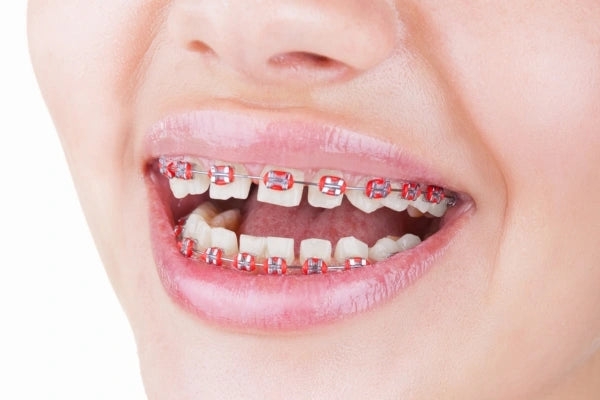
A gap between teeth, known medically as diastema, is a common dental trait that some people embrace as part of their signature smile while others feel self-conscious about the space. For those wondering whether braces are the right path to closing those gaps, the answer is a resounding yes. Dental Braces Dubai are one of the most effective and reliable tools for bringing teeth closer together and creating a harmonious smile. This article explores how braces work to close gaps, who might benefit, and what the journey typically looks like.
Understanding Dental Gaps
Gaps between teeth can appear for a variety of reasons. Sometimes, it is simply a matter of genetics where teeth are naturally smaller than the jawbone, leaving extra room. Other times, gaps develop due to habits like thumb-sucking in childhood or from gum disease that shifts teeth over time. Regardless of the cause, the desire to close these spaces is deeply personal and entirely valid. Braces offer a solution that addresses not just the appearance but also the functional alignment of the teeth.
How Braces Work to Close Gaps
Braces operate on a simple yet brilliant principle: consistent, gentle pressure over time. The system consists of brackets bonded to each tooth and a wire that threads through them. This wire acts like a track, guiding teeth into their ideal positions. When it comes to closing gaps, the orthodontic mechanism applies force that gradually moves teeth closer together. The bone around the teeth responds by remodeling, allowing for steady and natural movement. This process is slow by design, ensuring the teeth remain healthy and securely anchored throughout the journey.
The Role of Rubber Bands and Springs
In many cases, closing a gap requires more than just the main wire. Orthodontists often use auxiliary tools like elastic bands or small springs. These components attach to specific brackets and provide targeted pressure to pull teeth toward one another. Rubber bands are frequently used to correct the bite while simultaneously closing spaces, making them a versatile part of treatment. Springs, on the other hand, can either push teeth apart to create room or pull them together, depending on the configuration. These additions are carefully adjusted during each visit to keep progress on track.
Who Is a Good Candidate for Braces?
Braces are suitable for a wide range of individuals, from teenagers to adults. Age is rarely a barrier, as tooth movement is possible at any stage of life. However, the condition of the gums and bone does play a role. Healthy gums provide a stable foundation for teeth to move safely. If gum disease is present, it is typically treated first before braces are placed. Similarly, if a gap is caused by missing teeth, braces can close the space or distribute it evenly so that restorative options like bridges or implants become more feasible later on.
Mild Versus Complex Gaps
Not all gaps are the same. Some are small and isolated, while others involve multiple spaces throughout the mouth. Braces are capable of handling both ends of the spectrum. For minor gaps, treatment may be relatively quick and straightforward. For more complex cases involving bite issues or severely crowded teeth, braces still work beautifully but may require a longer commitment. The beauty of braces is their customizability; every wire bend and bracket placement is tailored to the individual’s unique dental landscape.
The Emotional and Social Benefits
Closing gaps with braces is about more than just straight teeth. Many people report a significant boost in confidence once their treatment is complete. Smiling without hesitation, speaking clearly without worrying about a visible gap, and feeling at ease in photographs are common rewards. Because braces are visible, some adults initially hesitate to choose them. However, modern braces are smaller and more comfortable than ever before, and many find that the temporary visibility is a small price to pay for a lifetime of confidence.
What to Expect During Treatment
The journey with braces begins with a thorough evaluation. Impressions, photographs, and sometimes digital scans are taken to map out the treatment plan. Once the braces are placed, there is an adjustment period of a few days where the mouth adapts to the new hardware. Regular visits every few weeks allow the orthodontist to change wires, adjust tension, and monitor progress. Closing a gap is often one of the earlier changes noticed, as teeth respond quickly to the initial pressure. Over time, the spaces shrink until they disappear entirely.
Frequently Asked Questions
Will the Gap Close Completely?
In the vast majority of cases, yes. Braces are specifically designed to move teeth into precise positions. With consistent wear of rubber bands and adherence to appointment schedules, gaps typically close fully. Occasionally, if a tooth is unusually small, a combination of braces and cosmetic enhancement may be suggested later, but braces alone accomplish complete closure in most scenarios.
Can Gaps Return After Braces?
Teeth have a natural tendency to shift over time, which is why retainers are a non-negotiable part of treatment. Once braces are removed, a retainer is custom-made to hold the teeth in their new positions. Wearing this retainer as instructed prevents gaps from reopening. Without retention, some movement is possible, but with proper care, the results are remarkably stable.
Are Braces the Only Option for Gaps?
Braces are a leading choice, but they are not the sole option for every situation. Some individuals with very small gaps may explore other cosmetic avenues. However, when the goal is comprehensive alignment and bite correction, braces are unparalleled. They do not merely mask the gap; they resolve the underlying positioning of the teeth.
How Long Does Treatment Take?
The duration of braces for gap closure varies. Simple cases may be resolved in under a year, while more complex adjustments can take around eighteen months to two years. The timeline depends on how much movement is needed and how the individual’s body responds. Patience is key, as rushing tooth movement can compromise dental health.
Embracing the Journey
Dental Braces in Dubai to fix gaps between teeth is a decision rooted in self-care. It is a commitment that requires some adjustments to daily habits, like avoiding certain sticky or hard foods, and maintaining extra vigilance with oral hygiene. Yet, those who embark on this path often describe it as one of the best investments they have made for themselves. The process teaches patience and offers the reward of a smile that feels truly complete. Braces do not just close spaces; they open the door to a new way of showing the world one’s happiness. Whether the gap is small or wide, single or multiple, braces stand as a time-tested, reliable ally in the pursuit of a seamless smile.