Creative Illusions in Small-Batch Custom Cookie Boxes
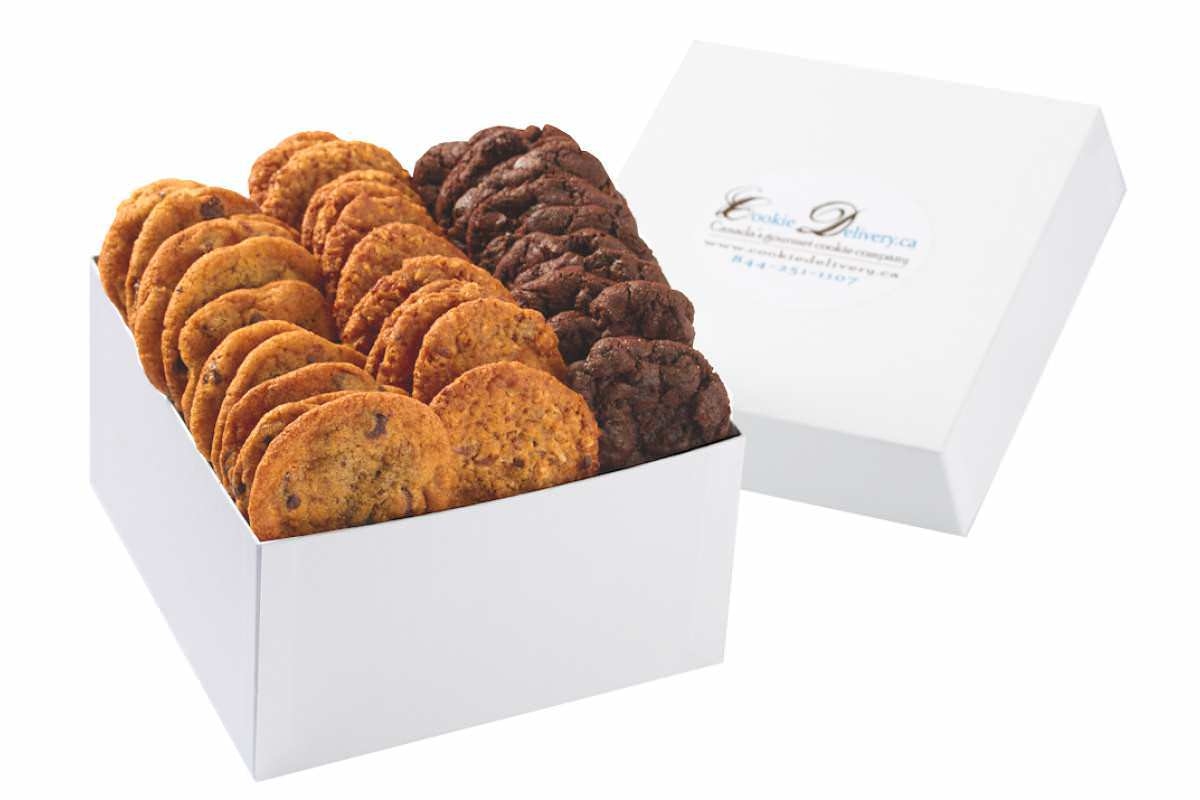
Small-batch cookie packaging is more than just functional. It can be a way to delight customers and make the product memorable. Using visual tricks like forced perspective can turn ordinary boxes into experiences that feel playful and unique.
Seeing More Than Meets the Eye
Forced perspective is about tricking the eye. It makes objects appear closer, bigger, or smaller than they actually are. When applied to cookie boxes, it adds interest without extra cost. A simple design can appear dynamic and layered.
For small-batch products, this matters even more. Limited items benefit from packaging that feels special. By adjusting angles, layers, or inserts, the box can feel like a miniature scene. Even printed shadows create the illusion of depth. This small change can make the product feel premium.
The perception of depth also draws customers in. People are naturally curious about objects that seem interactive. A box that looks layered or has items “floating” inside encourages closer inspection. Social media posts also benefit, as visually interesting packaging is shared more often.
Additionally, forced perspective can tell a story. A box that looks like a small hill or stage sets a scene for the cookies inside. This emotional connection strengthens brand loyalty. Small-batch cookie makers can compete with larger brands by giving every package this attention to detail.
Layering for Impact
Creating layers in packaging makes it feel rich and complex. Multiple levels can be physical or printed. Layered inserts make cookies seem abundant and organized. This approach also improves the unboxing experience.
Designers use inserts or cutouts to lift certain cookies visually. Staggered placement creates a sense of hierarchy. Customers immediately notice the premium cookie or featured item. Patterns and shadows on flat surfaces can also mimic physical layers.
Colors are essential here. Lighter colors in front and darker tones behind enhance the sense of depth. Contrast between layers naturally guides the eyes toward important elements. Even minimal materials can achieve a sophisticated look if the design considers perspective carefully.
Layering also adds a tactile element. Customers feel the difference as they lift and explore each layer. This small interaction increases satisfaction. It transforms a standard box into an experience worth remembering. Brands that focus on this detail often see higher repeat purchases.
In small-batch production, the effort to create these layers pays off. Each box becomes unique and thoughtful. Customers perceive the product as more valuable than it really costs to produce.
Angled Designs to Draw Attention
Angles change how people perceive space. Slanted inserts, tilted windows, or diagonal graphics can make flat boxes appear three-dimensional. Using angles properly ensures the product stands out visually.
A tilted compartment for cookies allows customers to view multiple items simultaneously. Flat stacking hides the details of the contents. Diagonal lines guide attention, making the box feel dynamic. This technique adds excitement without changing the product inside.
Angles also improve photography. Social media images of boxes taken from the right angle highlight layers and details. Marketing content becomes more engaging and visually striking. Even a small batch of cookies can look professional and polished with this approach.
Angles can also communicate the brand’s personality. Playful designs suggest fun, while precise, geometric cuts suggest elegance. For limited-production items, this subtle distinction can enhance brand perception. Customers recognize and remember the attention to detail.
Tricks of Size and Proportion
Changing the scale of elements in packaging can create interesting illusions. Large graphics can make actual cookies appear smaller and delicate. Conversely, small printed details can make the box seem more spacious.
Compartment size affects perception too. By making the central cookie slightly more prominent, the design draws the eye naturally. Scale also adds an element of surprise. Customers enjoy noticing how elements appear closer or farther away than they really are.
Visual storytelling benefits from scale manipulation. A box might depict a miniature scene where cookies are “characters” in the story. This adds charm and novelty. Even without expensive materials, the illusion of abundance or prominence makes the product feel high-end.
Scale tricks can also reduce waste. By creating the impression of a larger box or more contents, brands achieve luxury without extra material. This balance is particularly important for eco-conscious small-batch producers.
Creating a Memorable Unboxing Journey
Packaging can be part of the customer experience. When designed with forced perspective, unboxing feels like discovering a small treasure. Layers, angles, and inserts transform the simple act of opening a box.
Tactile design matters. Pop-up or elevated compartments provide a sensory journey. Customers interact with the box, not just the cookies. Visual surprises enhance emotional engagement. Each layer reveals something new, increasing excitement.
Storytelling also plays a role. Peek-a-boo cutouts or staggered layers can simulate a tiny scene. The act of uncovering each cookie becomes memorable. Small-batch producers can use this to create loyalty and encourage social sharing.
A well-planned unboxing experience reinforces perceived value. Customers are more likely to share and recommend products that make them feel involved. The packaging becomes a marketing tool in itself, increasing brand reach organically.
Choosing Materials Wisely
The materials used in packaging affect how well perspective works. Cardboard, kraft paper, and rigid boards respond differently to folds and inserts. Stronger materials maintain intended angles and prevent distortion.
Printing also enhances perception. Raised patterns, foiling, or spot UV finishes create visual texture. These details guide the eye and reinforce depth. Even flat boxes can look three-dimensional with proper finishes.
Colors, gradients, and contrast play a major role. Subtle fading or shadows create distance, while brighter elements draw attention to key features. Die-cut windows allow glimpses of the contents, adding a physical layer of depth.
Material choice also communicates brand values. High-quality boards suggest premium products. Sustainable paper indicates eco-awareness. Both enhance customer perception and reinforce trust in small-batch brands.
Marketing Advantages of Optical Illusions
Visual tricks in packaging offer strong marketing benefits. Eye-catching designs stand out online and in-store. Forced perspective encourages social media sharing and organic promotion.
Boxes with depth and movement communicate creativity and quality. Customers perceive the product as more valuable. Videos or images highlighting layers and angles engage audiences quickly.
This approach also strengthens brand storytelling. Packaging can narrate part of the product’s story without extra effort. Buyers remember experiences rather than just items, which drives loyalty.
Even limited-production items gain visibility. Each box becomes a miniature marketing asset, amplifying the small brand’s reach without increasing advertising costs. Forced perspective turns packaging into a strategic tool for engagement.
Sustainable Creativity in Packaging
Sustainability and perspective can work together. Recycled or minimal materials can still create depth and intrigue. Layered cardboard and clever cutouts maintain optical effects while reducing waste.
Eco-friendly materials don’t limit design. Angles, inserts, and print effects can create the same visual appeal. Small-batch brands can maintain luxury and uniqueness while being responsible.
Consumers increasingly prefer products with sustainable packaging. Combining creativity with environmental awareness builds trust and brand loyalty. Smart design choices prove that aesthetic appeal and sustainability are not mutually exclusive.
Conclusion
Forced perspective transforms small-batch cookie boxes into interactive experiences. Through layers, angles, scale tricks, and thoughtful materials, packaging becomes more than just a container.
Every design choice adds value, engages customers, and reinforces brand identity. Clever optical illusions make unboxing exciting and memorable. This approach also supports marketing, social sharing, and customer loyalty.
Using custom cookie boxes in this way elevates small-batch products. They appear luxurious, playful, and unique. Thoughtful design ensures that customers feel connected to the brand and appreciate every detail. In today’s competitive market, such creative packaging is a key differentiator.
Click Here: https://ibexpackaging.com/custom-cookie-boxes/
Categories
Read More
(圖/ Volkswagen) 德國汽車巨擎福斯汽車(Volkswagen)近日宣布,將於 2025 年終止自 1994 年以來與工會簽訂的就業保障協議,並計畫在該協議終止後進行大規模裁員與關廠決策。這項決定旨在應對日漸沉重的成本壓力,裁員規模預計將超過 1.5 萬名員工,成為該公司近期最重大的人事變動之一。 福斯汽車執行長布魯諾(Oliver Blume)近日表示,當前公司面臨的最大挑戰是成本問題,解決方案之一是關閉部分德國工廠。根據外媒報導,福斯已經將德國境內的4至5個地點列入可能的關閉名單,關廠將導致產量減少 50 萬至 75 萬輛。 此外,福斯計畫在 2025 年 7 月結束與工會長達數十年的就業保障協議,這意味著公司將不再受該協議的限制,能夠進行更靈活的大規模裁員。 (圖/ Volkswagen) 福斯人力資源總監基利安(Gunnar...

(圖/ 環境部環境管理署) 桃園市楊梅區及龍潭區多處農地發生廢土棄置案,經桃園地檢署、內政部警政署保七總隊第三大隊、環境部環境管理署、桃園市政府環保局等環檢警組成專案小組共同合作偵辦,於114年10月及12月進行2次搜索與開挖,查獲外籍具華僑身分之林姓嫌疑人、黃姓嫌疑人等對外收受廢土及營建廢棄物,回填桃園4處農地,棄置面積達1萬多平方公尺(約等於1.5到2.5個足球場大),數量預估達4萬至5萬立方公尺(相當於20噸砂石車載運2千多車次)。 (圖/ 環境部環境管理署)...