STD Test in Dubai: What to Expect During Your Visit
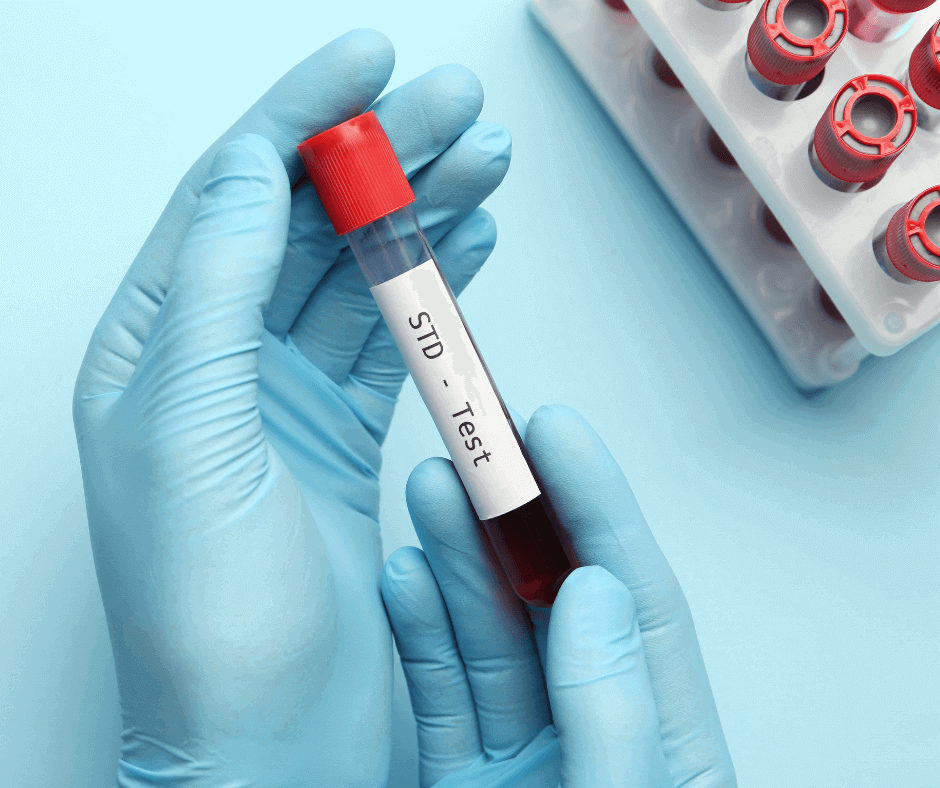
Most patients delay STD testing not because of cost or logistics, but because they don't know what actually happens during the appointment. The uncertainty around privacy protocols, physical discomfort, and result timelines creates more anxiety than the test itself. In clinical practice, we observe that patients who understand the step-by-step process—from sample collection methods to the specific waiting period for different infections—arrive calmer and leave more confident about their next steps. This guide addresses the practical realities of STD test in Dubai, including what various sample collection methods feel like, how long different test types actually take, and what happens if results require follow-up.
What Happens During an STD Test Appointment?
The testing process varies based on which infections you're screening for, but most comprehensive panels involve blood draws and swab samples.
Blood collection for HIV, syphilis, and hepatitis takes 2–3 minutes. Patients often report a brief pinch during needle insertion, then mild pressure as the vial fills. The discomfort level matches routine blood work for cholesterol or glucose testing—tolerable for most adults, occasionally causing light-headedness in needle-sensitive individuals.
Urine samples require no physical contact with medical staff. You'll receive a sterile container and collect a mid-stream sample in a private bathroom. This method detects chlamydia and gonorrhea with the same accuracy as swab tests but feels less invasive.
Genital swabs cause brief discomfort rather than pain. For urethral swabs in males, practitioners insert a thin cotton applicator 2–3 centimeters into the urethra. Patients describe a stinging sensation lasting 5–10 seconds, followed by mild irritation when urinating for the next few hours. Cervical swabs in females feel similar to a Pap smear—pressure and slight cramping that subsides immediately after collection.
Oral and rectal swabs involve rubbing a cotton applicator against the inner cheek or anal canal for 10–15 seconds. These generate no pain, though rectal swabs may trigger a brief urge to use the bathroom.
The entire appointment, including paperwork and sample collection, typically takes 15–25 minutes.
How Accurate Are STD Tests, and When Can You Trust Results?
Test accuracy depends heavily on timing. All STD tests have a "window period"—the gap between infection and when the test can reliably detect it.
How Soon After Exposure Can Tests Detect Infections?
Chlamydia and gonorrhea: Detectable 1–5 days post-exposure through urine or swab tests. NAT (nucleic acid amplification) tests used in Dubai clinics achieve 95–99% sensitivity after this period.
HIV: Fourth-generation tests detect infections 18–45 days after exposure by measuring both antibodies and the p24 antigen. Testing earlier may produce false negatives. Patients often feel frustrated waiting six weeks, but earlier testing creates more anxiety through inconclusive results requiring retesting.
Syphilis: Blood tests identify antibodies 3–6 weeks post-infection. The RPR (rapid plasma reagin) screening test occasionally shows false positives from recent vaccinations or autoimmune conditions, requiring confirmatory TPPA testing.
Herpes (HSV-1 and HSV-2): Blood tests detect antibodies 12–16 weeks after exposure, but many clinics recommend waiting only if you have visible symptoms, as 70% of infected individuals never develop outbreaks. Swab tests of active sores provide immediate results.
Hepatitis B and C: Detectable 6–9 weeks post-exposure through blood work measuring surface antigens and antibodies.
Based on post-test consultations, the most common patient regret is testing too early, then spiraling during the waiting period before retesting at the appropriate window.
What Privacy Protections Apply to STD Testing in Dubai?
Patient confidentiality concerns rank higher than physical discomfort in pre-appointment surveys.
Dubai clinics operate under UAE Federal Law No. 4 of 2016, which mandates strict medical privacy. Your test results cannot be shared with employers, insurance companies, or family members without written consent. Labs use numeric codes rather than names on samples to prevent identification during processing.
Positive results trigger specific legal obligations: If you test positive for HIV, hepatitis B, or syphilis, the clinic must report the case to Dubai Health Authority using anonymized patient codes. This reporting enables public health tracking but doesn't attach your name to government databases accessible by immigration or employment authorities.
For expatriates: Positive HIV results affect visa renewal eligibility under current UAE immigration policy. Clinics inform patients of this reality before testing so they can make informed decisions about testing location and timing.
Insurance claims: Most patients pay out-of-pocket (AED 500–1,200 for comprehensive panels) to avoid insurance documentation that could appear in medical histories during future policy applications.
Patients often report relief after learning that reception staff, lab technicians, and billing departments see only appointment types, not specific test results, which remain between you and the consulting physician.
Which STD Tests Should You Actually Get?
Do You Need a Full Panel or Targeted Testing?
Comprehensive panels screen for 8–10 infections simultaneously through combined blood, urine, and swab samples. Order these if:
- You've had unprotected sex with a new partner
- Your partner tested positive for any STD
- You're experiencing symptoms (discharge, sores, burning urination)
- You haven't been tested in 12+ months despite sexual activity
Targeted testing focuses on 1–3 specific infections. Consider this approach if:
- You only engaged in oral sex (test for gonorrhea, chlamydia, syphilis, herpes)
- Your partner disclosed a specific diagnosis
- You're following up after treatment to confirm clearance
In clinical settings, we observe that patients who choose comprehensive panels experience less anxiety than those who selectively test, then worry they missed something. The cost difference (AED 300–400) rarely justifies the mental burden of wondering about untested infections.
How Long Until You Get Results?
Different tests process at different speeds, creating staggered result timelines.
Same-day results (4–6 hours):
- Rapid HIV tests
- Gonorrhea/chlamydia NAT tests
- Urinalysis for UTI-related symptoms
2–3 business days:
- Comprehensive STD panels
- Syphilis confirmation testing
- Hepatitis B and C screenings
5–7 business days:
- Herpes antibody tests (IgG/IgM)
- Confirmatory testing for positive results
Most clinics text or email results for negative tests. Positive results always require an in-person or phone consultation—never just a notification. Patients often report that the waiting period causes more distress than the appointment itself, particularly when results arrive piecemeal over several days rather than as a complete panel.
What Happens If Your Test Comes Back Positive?
The post-positive protocol depends entirely on which infection was detected.
Bacterial infections (chlamydia, gonorrhea, syphilis): You'll receive antibiotic prescriptions during the results consultation—either single-dose azithromycin or a 7-day doxycycline course. Follow-up testing occurs 3–4 weeks post-treatment to confirm clearance. Sexual partners from the past 60 days require notification and testing, which clinics can facilitate anonymously through partner notification services.
Viral infections (HIV, herpes, hepatitis): These require ongoing management rather than one-time treatment. HIV-positive patients receive referrals to infectious disease specialists who prescribe antiretroviral therapy and monitor viral loads. Herpes management involves antiviral suppression therapy (valacyclovir or acyclovir) to reduce outbreak frequency. Hepatitis C now achieves 95%+ cure rates through 8–12-week antiviral regimens.
Patients often express surprise that many bacterial STDs clear completely with short medication courses, while viral infections require long-term monitoring but remain manageable with modern treatments.
Who Should Get Tested More Frequently?
Annual testing suffices for monogamous couples who've both tested negative. Increase testing frequency to every 3–6 months if you:
- Have multiple sexual partners
- Use dating apps for casual encounters
- Have a partner with known STD history
- Work in healthcare or hospitality sectors with occupational exposure risks
Based on patient follow-ups, those who establish routine testing schedules (quarterly or biannually) report less anxiety than individuals who test reactively after each potential exposure. The predictability reduces mental burden.
Common Patient Questions About STD Testing
Can STD tests detect infections from oral sex only?
Yes, but you need specific swab sites. Gonorrhea and chlamydia can infect the throat, requiring oral swabs in addition to genital testing. Standard urine tests miss oral infections entirely. Patients who only engaged in oral contact should specifically request throat swabs.
Will testing hurt if I have visible symptoms?
Swabbing active sores or inflamed areas causes sharper discomfort than asymptomatic testing. The pain level resembles applying pressure to a healing cut—uncomfortable but brief. Practitioners can use topical numbing agents for particularly sensitive areas.
Do I need my partner present during testing?
No. Individual testing protects privacy and allows honest disclosure of sexual history without judgment concerns. Couples testing together often omit relevant exposure details that affect screening recommendations.
Can I get tested during my period?
Yes, though cervical swabs may be less comfortable. Blood presence doesn't affect test accuracy for most STDs. Some clinics recommend scheduling 5–7 days post-menstruation for patient comfort rather than clinical necessity.
How soon can I have sex after testing positive?
Wait until completing treatment and receiving negative confirmation results. For bacterial infections treated with antibiotics, this means abstaining 7–10 days. For incurable viral infections, disclosure and barrier protection become permanent requirements rather than temporary restrictions.
What if I test positive but have no symptoms?
Most STDs remain asymptomatic for months or years while still transmitting to partners. Chlamydia causes no symptoms in 70% of women and 50% of men. Positive results require treatment regardless of symptom presence to prevent complications like infertility or chronic inflammation.
Why Choose Tajmeels Clinic for STD Testing
Tajmeels Clinic combines laboratory precision with patient-centered care protocols. Our testing facility processes comprehensive panels in-house, eliminating third-party lab delays that extend waiting periods. All consultations occur in private rooms with soundproofing to ensure conversation confidentiality. Same-day appointments accommodate urgent testing needs, and weekend availability serves patients who can't take weekday time off work. The clinic provides treatment initiation during result consultations for bacterial infections, so you leave with prescriptions rather than waiting for additional appointments.
"I'd been putting off testing for three months because I didn't know if it would be painful or awkward. The actual appointment was quicker than my dentist checkup, and knowing my status lifted a weight I didn't realize I'd been carrying." – Layla
"The hardest part wasn't the test itself—it was the four days waiting for results. But when the doctor called to explain my options after my positive syphilis result, I felt more relieved than scared. It's treatable, and I knew exactly what came next." – Marcus

Categories
Read More
Buy Yahoo Accounts from getpvasmm.com In today’s digital age, having an online presence is more crucial than ever. Yahoo accounts are a gateway to numerous services, from email communication to news and social networking. But managing just one account can be limiting, especially for professionals or businesses that require multiple profiles. This is where the option to buy Yahoo accounts...

In settings where area constraints present challenges the Floor Stand Medical Monitor Arm serves as a versatile solution for situating display interfaces without reliance on fixed surfaces or tabletops. Freestanding characteristics liberate horizontal planes for other essential implements while the compact base footprint occupies limited ground territory permitting unobstructed circulation...

If you’re looking to buy Facebook aged accounts, you’re in the right place. Whether you’re a marketer, a small business owner, or someone who needs reliable accounts for advertising or Marketplace access, aged Facebook accounts can save you time and effort. At EverSMM, we provide verified, secure, and ready-to-use aged accounts tailored to your needs. This guide will help you...