Bluefire practical tips for household disposal
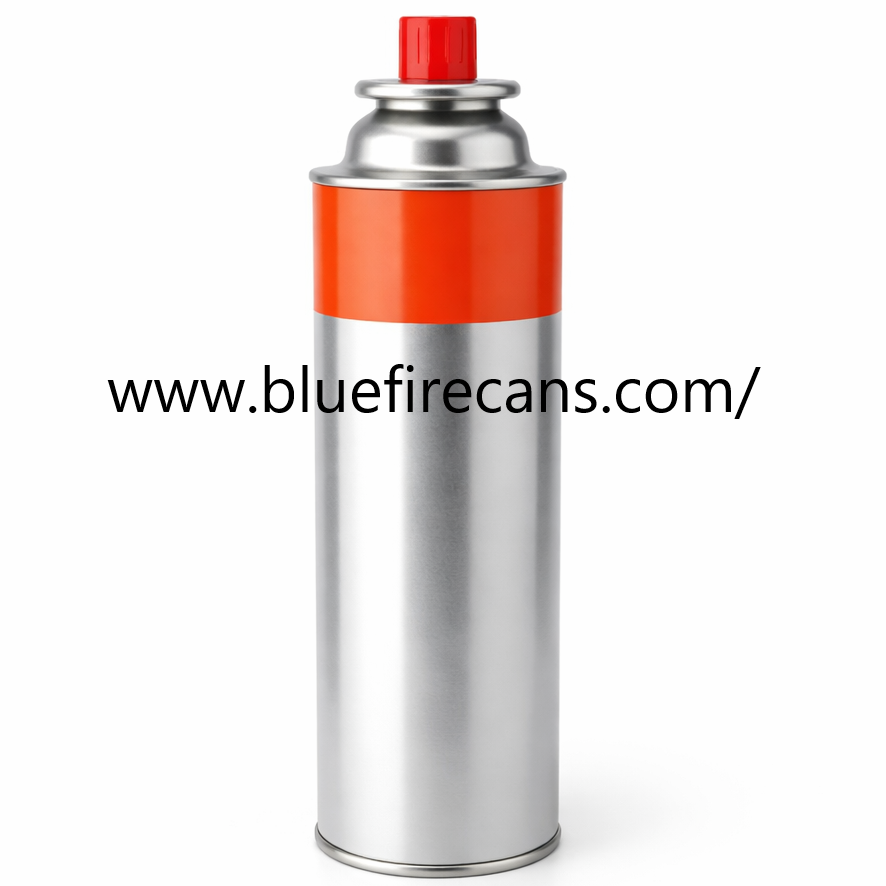
When I opened the cupboard to prepare for a short trip I found a small can tucked behind old boxes and felt a quick jolt of unease. That can was a Bluefire Butane Gas Cartridge and its dented side made me pause. That pause turned into a habit. Now when I stow gear I take a moment to check each container and imagine where it will end up when it is empty. Thinking ahead is the simplest way to avoid problems later.
Disposal of these cartridges is partly practical and partly about respect for shared spaces. If you live in an apartment or keep gear in a busy utility area you want to avoid surprises for family members or cleaning crews. A short routine after a trip prevents an old cartridge from lingering until someone else notices it. I keep a clear box for spent containers and label the box with a brief note so everyone in the household knows what it holds.
A good disposal routine starts with a calm assessment. If a canister shows obvious damage such as deep dents or a badly deformed valve it should be handled carefully and not reused. Small surface marks that do not affect the valve area are not usually a reason for alarm but they are a cue to set the item aside for a closer look. For threaded connections a wipe with a soft cloth and a visual check of the seal region is often enough to confirm there are no leaks.
Many people worry about accidentally causing a leak while preparing a container for disposal. Avoid sharp tools and do not attempt to empty a cartridge by puncturing it at home. If you are uncertain whether a container is truly empty treat it as if it still contains fuel and keep it where it cannot be heated or exposed to flames. A ventilated area away from everyday living spaces is the right place to store suspect items until they can be taken to an appropriate facility.
Packaging matters at the end of life too. A spent cartridge placed back in its original box or inside a small sturdy container reduces the chance of an accident during transport. If you will be carrying multiple canisters line them up upright and secure them in a box so valves are not bearing weight. Simple protective caps over the valve region reduce dust and prevent rubbing that could damage the seal.
Local collection points and community programs often accept these items but the details vary. When you plan a drop off give the collection staff a quick note about the kind of fuel and whether the canister is empty. If a program accepts them in sealed containers follow the guidance offered. If options are limited a household hazardous waste service can be a sensible route. Packing spent containers in a secure box keeps them contained until you can transfer them to the right place.
Talking with fellow outdoor enthusiasts helps too. In my group a short check before packing home became a standing rule. We call it the five second look. Everyone glances at their fuel cans before they leave the site and any suspect pieces are set aside for inspection at home. Those small social habits reduce the chance that a stray canister gets dropped into general recycling or left behind.
When you are buying replacements think about the components and compatibility. A valve that sits flush and moves smoothly is easier to remove and less likely to be damaged during use. Components designed to mate well with a given canister reduce the chance of cross threading and leaks. If you ever replace a valve follow the manufacturer guidance and avoid makeshift adapters that were not intended for the purpose.
A few practical tips that have helped me and others are easy to apply. Keep a short labeled box for spent items near the storage shelf. Keep spare protective caps in a small bag with the stove kit. Avoid storing spent canisters where seasonal temperature swings can heat them. Make the check a brief habit so it does not feel burdensome. These low friction steps make a difference over time.
Stories make the point clearer than rules. A neighbor once kept a half used canister in a corner of the garage and months later it was hard to tell if it was safe or not. The canister ended up being transported to a collection site in a padded box and the neighbor adopted a routine of marking partial cans so they do not mix with spent ones. Small adjustments like that make handling simpler and reduce doubt.
Safety is a shared responsibility. If you live with others explain the basic steps and where to place spent containers. If someone else manages disposal for a building or community offer to show how you pack spent items for drop off. When more people know these simple habits the burden on formal services is lighter and fewer mistakes happen.
Thoughtful choices about where to store and how to transport cartridges help the whole community. If you want more details about compatible valves replacement components and sensible handling notes you can see product pages and guides at https://www.bluefirecans.com/ for a clearer view of options and manufacturer notes.
