Taxila Tour Exploring Pakistan’s Buddhist Heritage
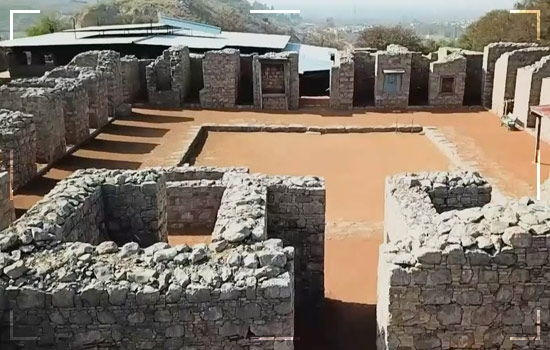
Pakistan is a land of deep history, layered with civilizations that go back thousands of years. While many people associate Pakistan mainly with Islamic heritage, there is another side of history that deserves equal attention. Taxila is one of the most important places that tells this story. A Taxila tour is not just a casual trip, it is a journey into Pakistan’s rich Buddhist heritage and its role in shaping ancient civilization in South Asia.
Located near Islamabad, Taxila is one of the most historically significant archaeological sites in the country. For Pakistanis who want to understand their land beyond textbooks, visiting Taxila offers a powerful and eye-opening experience. This blog explores Taxila’s Buddhist heritage in detail, written in a simple, natural way for local travelers.
Introduction to Taxila and Its Historical Importance
Taxila was once a thriving city and a major center of learning in the ancient world. It existed long before the birth of Islam and even before the rise of many well-known empires. Historians believe that Taxila flourished between the sixth century BCE and the fifth century CE.
What makes Taxila special is that it was not just a city, but a collection of cities that evolved over time. It was a place where scholars, monks, traders, and rulers from different regions came together. Because of this, Taxila became a melting pot of cultures, religions, and ideas.
For Pakistan, Taxila is a reminder that this land has always been a crossroads of civilizations. A Taxila tour helps visitors reconnect with this forgotten chapter of history.
Taxila as a Center of Buddhist Learning
One of the most important aspects of Taxila’s history is its role as a center of Buddhist education. During the Gandhara period, Taxila became one of the leading centers for Buddhist teachings, philosophy, and art.
Monks from different parts of Asia traveled to Taxila to study Buddhism, medicine, philosophy, and logic. Some historians even compare ancient Taxila to modern-day universities because of its structured learning environment.
For Pakistanis, understanding this aspect of Taxila helps break common misconceptions. Buddhism was not foreign to this region. It was deeply rooted here, and Taxila played a major role in spreading Buddhist teachings across Central Asia, China, and beyond.
The Taxila Museum Preserving Buddhist Heritage
A Taxila tour usually begins with a visit to the Taxila Museum, which is one of the most important museums in Pakistan. The museum houses a vast collection of Buddhist sculptures, relics, coins, and artifacts discovered from nearby excavation sites.
Inside the museum, visitors can see beautifully carved statues of Buddha, Bodhisattvas, and other figures from the Gandhara school of art. This style is famous for combining Greek artistic influence with Buddhist themes, resulting in unique and expressive sculptures.
For local visitors, the museum provides clear explanations and historical context, making it easier to understand what life was like in ancient Taxila. It is a must-visit stop on any Taxila tour.
Dharmarajika Stupa A Sacred Buddhist Site
Dharmarajika Stupa is one of the most important Buddhist sites in Taxila. It is believed to have been built by Emperor Ashoka in the third century BCE. The stupa once housed sacred relics of Buddha, making it a major pilgrimage site in ancient times.
Walking around the ruins of Dharmarajika gives you a sense of how significant this place once was. You can still see the foundations of smaller stupas and monasteries that surrounded the main structure.
For Pakistanis visiting this site, it is often an emotional experience. It highlights how deeply connected this land is to Buddhist history and how important Taxila was in the spiritual world of that time.
Jaulian Monastery Learning and Meditation
Jaulian Monastery is another key stop on a Taxila tour focused on Buddhist heritage. Located on a hilltop, this monastery complex offers stunning views along with historical significance.
Jaulian was a place where monks lived, studied, and practiced meditation. The ruins include prayer halls, meditation cells, and stupas decorated with detailed carvings.
One of the most fascinating features of Jaulian is a stone carving believed to have healing properties. Many visitors find this aspect intriguing and reflective of the spiritual beliefs of the time.
The peaceful environment of Jaulian makes it easy to imagine monks walking through the corridors centuries ago, dedicated to learning and spiritual growth.
Sirkap City A Blend of Cultures
Sirkap is one of the ancient cities of Taxila and represents a different phase of its history. Built by Indo-Greek rulers, Sirkap shows a unique blend of Greek, Buddhist, and local architectural styles.
The city was carefully planned with streets, houses, temples, and markets. Among its ruins, you can find Buddhist stupas alongside Greek-style structures, reflecting religious tolerance and cultural harmony.
For Pakistanis, Sirkap offers an important lesson. It shows that different religions and cultures once coexisted peacefully on this land, contributing to a shared heritage.
Mohra Moradu Monastery Hidden Treasure
Mohra Moradu is a lesser-known but equally important Buddhist site near Taxila. Surrounded by greenery, this monastery complex feels quiet and untouched.
The site includes a stupa and monastery buildings where monks once lived and studied. Because it is less crowded, visitors often find it easier to connect with the atmosphere and imagine life in ancient times.
A visit to Mohra Moradu adds depth to a Taxila tour and helps visitors understand the everyday life of Buddhist monks in the Gandhara period.
Gandhara Civilization and Buddhist Art
Taxila is closely linked to the Gandhara civilization, which played a major role in shaping Buddhist art. Gandhara artists were among the first to depict Buddha in human form, influenced by Greek artistic traditions.
This art style later spread across Asia, influencing Buddhist imagery in countries like China, Japan, and Korea. When Pakistanis visit Taxila and see these sculptures, they are witnessing the roots of a global artistic tradition.
Understanding Gandhara art helps visitors appreciate how Pakistan contributed to world heritage in ways that are often overlooked.
Why Taxila Matters for Pakistan Today
Taxila is not just a historical site. It is a reminder of Pakistan’s diversity and depth. For Pakistanis, visiting Taxila can change the way they see their country’s past.
It encourages respect for different religions and cultures that once thrived here. It also highlights the importance of preserving historical sites for future generations.
A Taxila tour helps connect modern Pakistan with its ancient roots, showing that this land has always been important in shaping regional and global history.
Planning a Taxila Tour
Taxila is easily accessible from Islamabad and Rawalpindi, making it ideal for a day trip. Many families, students, and history enthusiasts visit on weekends.
To fully understand the historical significance of each site, guided tours are highly recommended. Services like pakistantourntravel help organize trips that cover all major sites while providing historical context.
Comfortable shoes, water, and sun protection are essential, especially during summer months. Visiting early in the day allows you to explore at a relaxed pace.
Taxila for Students and Families
Taxila is an excellent destination for students. It brings history to life in a way textbooks cannot. Many schools and universities organize educational trips to Taxila for this reason.
For families, Taxila offers a meaningful outing that combines learning with exploration. Children often find the ruins fascinating, and parents appreciate the cultural value of the visit.
A well-planned Taxila tour can be both educational and enjoyable for people of all ages.
Preserving Taxila’s Heritage
Preservation of Taxila is a shared responsibility. While the government and archaeological departments play a role, visitors also need to respect these sites.
Avoid damaging structures, littering, or climbing on ruins. By protecting Taxila, we ensure that future generations of Pakistanis can learn from and appreciate this heritage.
Promoting tourism through responsible platforms like pakistantourntravel also helps raise awareness and support preservation efforts.
Final Thoughts
A Taxila tour exploring Pakistan’s Buddhist heritage is more than just sightseeing. It is a journey into a forgotten chapter of our past that deserves recognition and respect.
Taxila reminds us that Pakistan has always been a land of learning, spirituality, and cultural exchange. From ancient monasteries to detailed sculptures, every stone tells a story of a time when this region shaped the spiritual and intellectual world.
For Pakistanis, visiting Taxila is an opportunity to reconnect with history, understand diversity, and feel proud of the richness of our land. With proper planning and guidance, especially through services like pakistantourntravel, a Taxila tour can become a deeply meaningful and memorable experience.