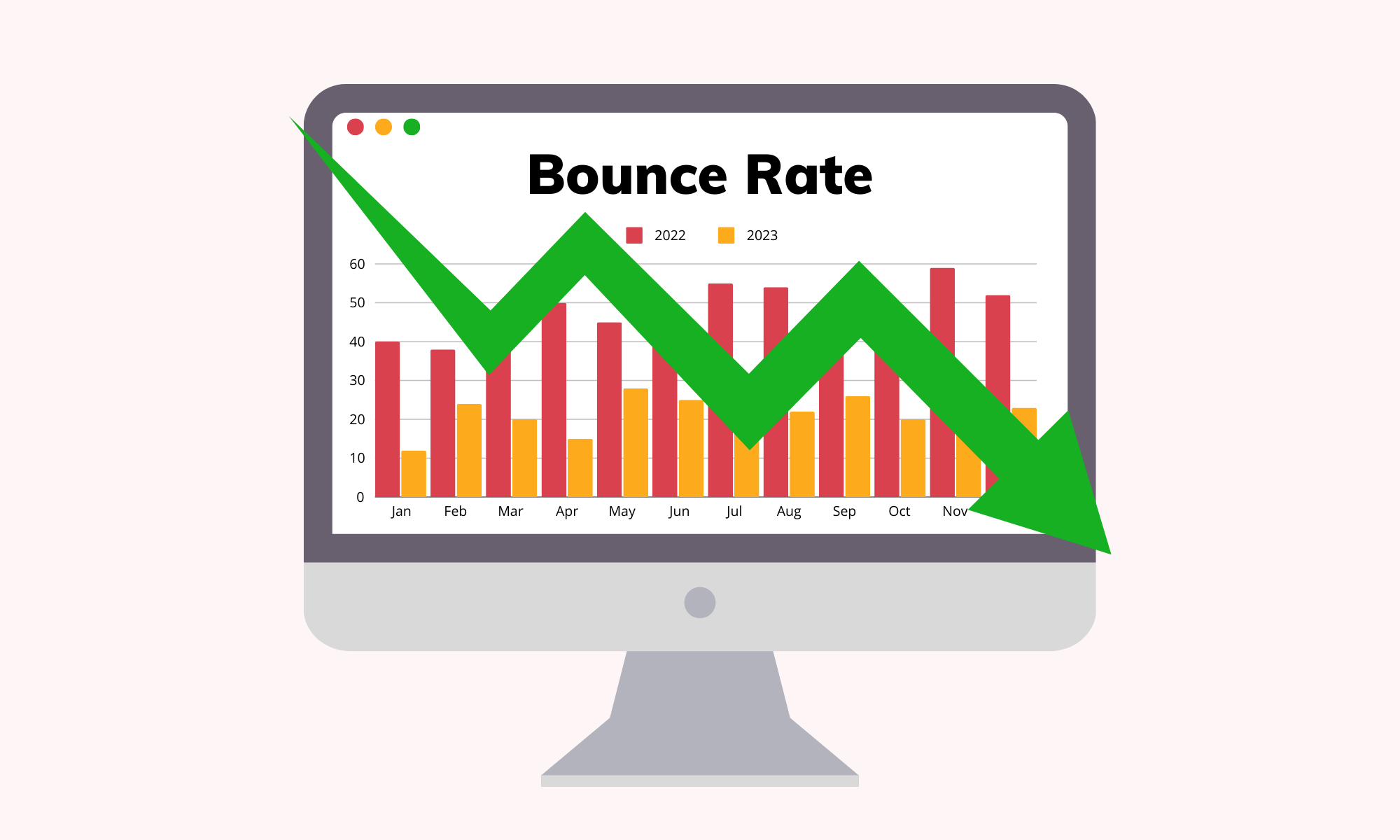

Bounce Rate Explained: Key Reasons Users Exit Websites
In today’s competitive online environment, attracting visitors to a website is only half the battle. The real challenge lies in keeping users engaged once they arrive. One of the most important metrics that reveals how users interact with a website is bounce rate. A high bounce rate often signals deeper issues related to content quality, user experience, performance, or relevance. Understanding what bounce rate is and why users leave websites can help businesses improve engagement, build trust, and achieve better results from their online presence.
What Is Bounce Rate?
Bounce rate refers to the percentage of visitors who land on a website page and leave without taking any further action. This means they do not click on another page, fill out a form, or interact with any elements on the site. In simple terms, a bounce happens when a user visits only one page and exits immediately.
For example, if 100 users visit a webpage and 65 of them leave without navigating to another page, the bounce rate for that page is 65%. While bounce rate is often seen as a negative metric, it must always be analyzed in context. In some cases, a user may find exactly what they were looking for and leave satisfied. However, consistently high bounce rates across important pages usually indicate problems that need attention.
Why Bounce Rate Matters for Website Performance
Bounce rate provides valuable insight into how users perceive a website. When users leave quickly, it often means the site failed to meet their expectations. This could be due to misleading content, slow loading times, poor design, or irrelevant information. High bounce rates can reduce conversions, weaken brand trust, and limit the effectiveness of marketing campaigns.
Search engines also consider user behavior signals when evaluating website quality. Although bounce rate itself is not a direct ranking factor, poor engagement often correlates with lower rankings over time. Websites that keep users engaged tend to perform better because they deliver value, clarity, and a smoother browsing experience.
Common Reasons Why Users Leave Websites
Mismatch Between Search Intent and Content
One of the biggest reasons users leave websites quickly is a mismatch between what they expected and what they actually found. When a user clicks on a search result, they have a specific intent in mind. If the content does not address their question, problem, or need clearly, they are likely to leave immediately.
This often happens when titles or meta descriptions are misleading or overly optimized without delivering real value. Users feel disappointed when the content does not match the promise, leading to higher bounce rates.
Slow Page Load Speed
Website speed plays a critical role in user retention. Modern users expect pages to load within a few seconds. If a website takes too long to load, users lose patience and exit before even seeing the content. Slow-loading pages are especially harmful on mobile devices, where network conditions may already be unstable.
Even a delay of one or two seconds can significantly increase bounce rates. Performance issues not only frustrate users but also create a negative impression of the brand.
Poor User Experience and Design
A cluttered layout, confusing navigation, unreadable fonts, or excessive pop-ups can quickly drive users away. When visitors cannot easily find what they are looking for, they feel overwhelmed and leave.
Good website design is not just about appearance. It is about clarity, structure, and usability. A poorly structured website makes users work harder, which increases frustration and bounce rates.
Lack of Mobile Optimization
With a majority of users browsing on smartphones, mobile experience is no longer optional. Websites that are not mobile-friendly often suffer from high bounce rates. Small text, broken layouts, slow loading times, and difficult navigation on mobile devices cause users to exit quickly.
A responsive and mobile-optimized design ensures that users have a smooth experience regardless of the device they use.
Low-Quality or Thin Content
Content that lacks depth, clarity, or usefulness fails to hold user attention. Visitors leave when content feels generic, poorly written, or does not provide actionable insights. Thin content that exists only to attract traffic without offering real value leads to disengagement.
Users want clear answers, detailed explanations, and trustworthy information. When content does not deliver this, bounce rates naturally increase.
Overwhelming Ads and Distractions
Too many ads, auto-playing videos, or intrusive pop-ups disrupt the user experience. While monetization is important, excessive distractions can make a website feel unprofessional and spammy.
Users often leave immediately when they feel pressured or distracted instead of guided smoothly toward useful content.
Lack of Trust Signals
Trust plays a major role in user behavior. Websites that lack credibility indicators such as clear contact information, secure connections, testimonials, or professional design can make users feel uncertain. When visitors do not trust a website, they hesitate to explore further and leave quickly.
Is a High Bounce Rate Always Bad?
Not all high bounce rates are negative. For example, blog posts that answer a specific question may naturally have higher bounce rates because users find the information they need and leave. Landing pages designed for a single action may also have higher bounce rates by design.
The key is to analyze bounce rate alongside other metrics such as time on page, conversions, and user flow. A high bounce rate combined with very low time on page usually indicates a problem. However, a high bounce rate with strong engagement signals may not be an issue.
How Businesses Can Reduce Bounce Rate
Reducing bounce rate starts with understanding user intent and improving overall experience. Websites should focus on creating relevant, high-quality content that directly addresses user needs. Clear headlines, structured content, and easy navigation help users stay longer.
Improving page speed, optimizing for mobile, and simplifying design can significantly reduce bounce rates. Internal linking, related content suggestions, and clear calls-to-action encourage users to explore more pages.
Many businesses partner with professionals who understand user behavior, analytics, and optimization strategies. This is why companies often learn best practices from the Top Digital Marketing Companies in USA, which focus on improving engagement, usability, and long-term performance rather than just traffic numbers.
Bounce Rate vs Exit Rate
Bounce rate and exit rate are often confused, but they are not the same. Bounce rate measures single-page sessions where no interaction occurs. Exit rate shows the percentage of users who leave from a specific page, regardless of how many pages they visited before.
A page can have a high exit rate without being problematic, especially if it is a natural endpoint like a contact confirmation page. Bounce rate, however, focuses on first impressions and initial engagement.
Why Understanding Bounce Rate Helps Long-Term Growth
Bounce rate reveals how well a website communicates value within the first few seconds. By analyzing bounce rate data, businesses can identify weak points in content, design, or targeting. Improving bounce rate often leads to better engagement, stronger trust, and higher conversions.
Websites that focus on user experience rather than shortcuts tend to perform better over time. A lower bounce rate usually reflects clarity, relevance, and value, which are essential for sustainable online growth.
Frequently Asked Questions (FAQs)
1. What is a good bounce rate for a website?
A good bounce rate depends on the type of website. Generally, 40%–60% is considered average. Blogs may have higher bounce rates, while service or e-commerce sites aim for lower rates.
2. Does bounce rate directly affect SEO rankings?
Bounce rate is not a direct ranking factor, but poor user engagement often correlates with lower rankings over time. Search engines favor websites that satisfy user intent.
3. Can high-quality content still have a high bounce rate?
Yes, if users find exactly what they need quickly and leave, bounce rate may be high despite good content. Context and user intent matter.
4. How can I reduce bounce rate without redesigning my website?
Improving content relevance, page speed, internal linking, and headline clarity can reduce bounce rate without a full redesign.
5. Is bounce rate more important on landing pages?
Yes, because landing pages are often the first interaction users have with your brand. High bounce rates on landing pages usually indicate targeting or messaging issues.
6. Should I worry about bounce rate on blog posts?
Not always. Blog posts answering specific questions may naturally have higher bounce rates. Focus on time on page and engagement instead.
7. How often should bounce rate be analyzed?
Bounce rate should be reviewed regularly, especially after content updates, design changes, or marketing campaigns, to understand user behavior trends.