Bio-Inspired Cooling Systems for E Bike Batteries: Lessons from Nature — Hybridev Engineering
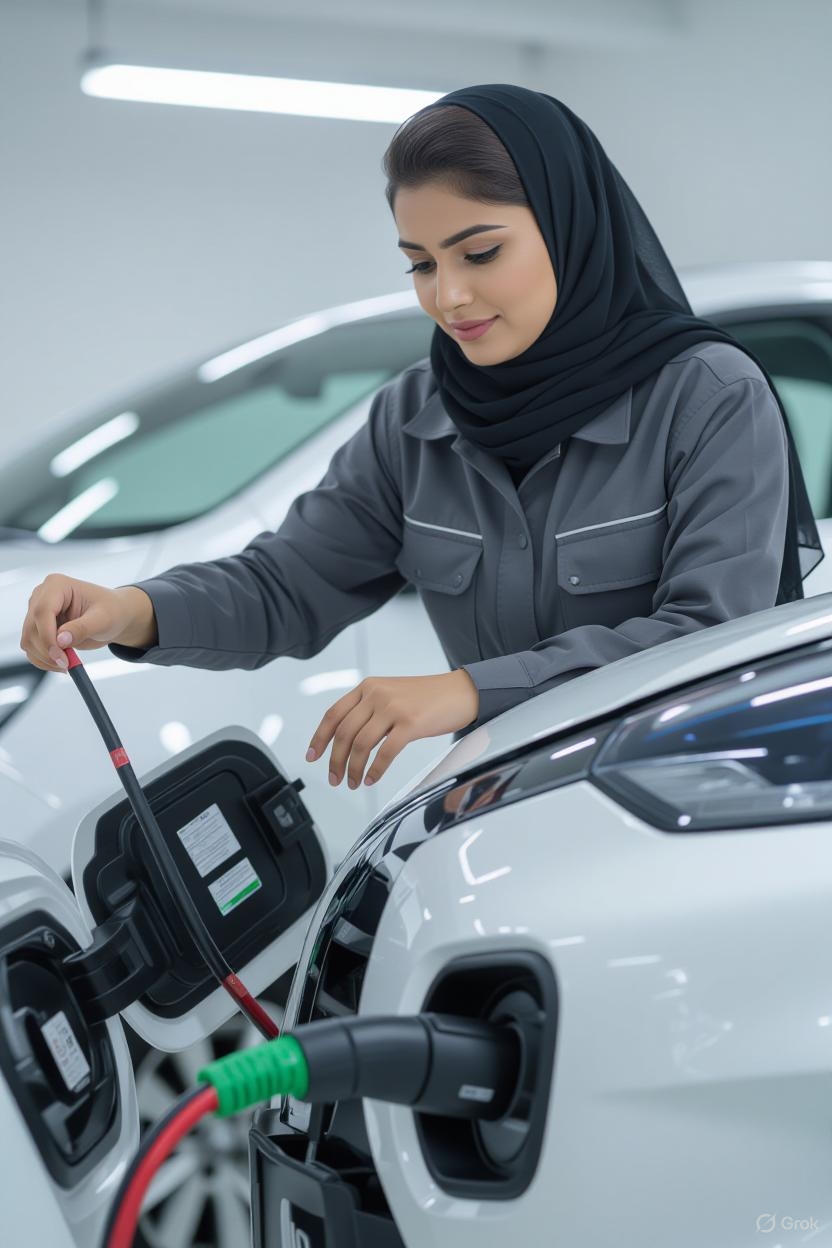
Modern electric mobility demands more from every e bike battery than ever before. Higher energy density, compact packaging, and aggressive charge-discharge cycles push thermal limits daily. Conventional cooling methods are reaching their ceiling. That is why hybrid EV engineering is turning to an unexpected but powerful teacher: nature. At Hybridev Engineering, bio-inspired cooling is not a concept—it is a practical engineering framework that delivers safer, longer-lasting battery systems.
Why Thermal Control Defines E Bike Battery Performance
Heat is the silent enemy of every e bike battery. Excessive temperatures accelerate chemical aging, reduce capacity, and create uneven cell stress that shortens lifespan.
When thermal gradients form inside a pack:
· Cell resistance increases
· Voltage stability degrades
· Long-term reliability collapses
These same principles are well understood in automotive hybrids, where prius hybrid battery systems rely heavily on airflow geometry and heat dissipation consistency to prevent early failure. The challenge for e-bikes is doing the same within far tighter space constraints.
Nature’s Cooling Intelligence: Proven Designs That Scale
Nature has spent millions of years solving heat management efficiently. Engineers are now translating these solutions into battery thermal architecture.
Termite Mound Ventilation → Passive Airflow Networks
Termite mounds regulate temperature without fans or electronics. Inspired designs use:
· Vertical airflow channels
· Pressure-driven convection paths
· Self-regulating thermal gradients
Applied correctly, this allows an e bike battery enclosure to cool itself during motion, reducing reliance on active cooling systems.
Leaf Vein Networks → Micro-Channel Heat Distribution
Leaves distribute water and nutrients evenly using fractal vein structures. Engineers mimic this geometry to:
· Spread heat evenly across cells
· Eliminate localized hotspots
· Reduce thermal stress during peak loads
This approach dramatically improves pack consistency, a principle long validated in prius hybrid battery thermal plate designs.
Mammalian Circulatory Systems → Adaptive Cooling Paths
Biological circulatory systems increase flow only where needed. Battery cooling inspired by this model:
· Redirects airflow or coolant toward hotter zones
· Reduces energy waste
· Maintains uniform operating temperature
This adaptability is critical as riding conditions change in real time.
Why Bio-Inspired Cooling Solves Real Hybrid Ev Problems
Uneven temperature distribution is one of the leading causes of voltage instability. In hybrid diagnostics, engineers often trace this behavior to prius hybrid pack voltage drift, where thermally stressed cells fall out of balance long before failure occurs.
Bio-inspired cooling minimizes these gradients by design, stabilizing:
· Cell impedance
· Voltage consistency
· Charge acceptance
For an e bike battery, this directly translates into longer service life and predictable performance.
Material Science Meets Biology
Cooling architecture alone is not enough. Advanced materials complete the system.
Phase-Change Materials (PCM)
Inspired by biological heat buffering, PCM:
· Absorb excess heat during spikes
· Release it slowly during cooldown
· Prevent thermal shock to cells
Porous Structural Casings
Modeled after bone and coral:
· Increase surface area for heat dissipation
· Maintain structural strength
· Reduce total battery weight
These materials allow the e bike battery to stay cooler without increasing size or complexity.
Integration with Battery Management Systems
Cooling must work in harmony with intelligence. Modern BMS platforms:
· Adjust power delivery based on thermal data
· Modify charging behavior dynamically
· Prevent stress accumulation at the cell level
This mirrors strategies used in prius hybrid battery systems, where thermal data directly influences energy flow decisions.
Real-World Benefits for Riders and Engineers
Bio-inspired cooling delivers measurable advantages:
· Extended battery lifespan through uniform thermal exposure
· Improved safety margins under aggressive riding or charging
· Higher sustained power output without thermal throttling
· Reduced maintenance risk due to stabilized cell behavior
For professionals building or servicing hybrid systems, this approach transforms cooling from a limitation into a performance advantage.
Why Hybridev Engineering Leads This Shift
At Hybridev Engineering, we do not chase trends—we translate proven principles into working systems. Our cooling designs combine:
· Biological geometry
· Advanced materials
· Hybrid EV diagnostic insight
This allows us to engineer e bike battery solutions that perform reliably in real-world conditions, not just controlled labs. The same engineering discipline that keeps a prius hybrid battery stable at scale is now shaping the future of compact electric mobility.
Conclusion: Nature Is the Ultimate Thermal Engineer
Bio-inspired cooling systems redefine what is possible for the e bike battery. By learning from nature’s efficiency, engineers can eliminate hotspots, stabilize voltage behavior, and dramatically extend battery life.
If you want battery systems that survive real use—not just specifications—cooling must be engineered intelligently, not added as an afterthought.
Trust Hybridev Engineering to deliver solutions rooted in physics, biology, and decades of hybrid EV expertise.
Categories
Read More
Power Transformer Market: Driving the Future of Energy Transmission and Reliability As global energy demand continues to soar, the power transformer market stands as a vital pillar in the modernization and expansion of electrical infrastructure. Power transformers play a key role in electricity generation, transmission, and distribution by stepping up or stepping down voltage...

(圖/ 臺南市政府地政局) 臺南市政府地政局負責的「臺南市第六期新營區長勝營區市地重劃工程」近日在2024年第10屆西太平洋健康城市聯盟獎(AFHC)中獲得國際肯定。該項目以「長勝營區 綠意常盛」為開發成果,成功在韓國首爾的西太平洋健康城市聯盟大會中贏得健康城市創新發展獎、海報參展獎及口頭報告獎。這一榮譽標誌著臺南市在土地開發過程中,兼顧環境永續與居民健康福祉的努力獲得國際認可。 (圖/ 臺南市政府地政局) 副市長趙卿惠率領地政局、衛生局等代表於9月24日赴韓參加這場每兩年舉行的國際盛會。此次獲獎的「長勝營區 綠意常盛」計畫,以低衝擊開發為核心理念,成功保留軍營區內的綠色隧道和生態樹木,減少了對環境的影響,並將原軍營區改造為新營區的一個新型休閒公園。 (圖/ 臺南市政府地政局)...
As per Market Research Future, commercial air purifiers are becoming essential tools for maintaining healthy and safe indoor environments across offices, hospitals, schools, and other commercial spaces. With rising concerns about air pollution, airborne pathogens, and indoor allergens, businesses are increasingly investing in advanced air purification systems to ensure the well-being of...
Dwyane Wade is swapping the court for the comedy club — sort of. On May 9, the basketball great will present When We Gather, a curated evening of stand-up at the Miracle Theatre in Inglewood. The event is designed to celebrate Black comedic talent in Los Angeles, bringing together established names, rising stand-ups, and everyone in between for a night of laughter and community....
(圖/ 國際同濟會北二區) 國際同濟會台灣總會第51屆北二區,在區主席林金生帶領下,再度展現公益能量。今年共募集兒童基金505個單位,並捐贈新北市政府5輛警用偵防車,同時送愛到花蓮偏鄉小學,捐款186萬元,為地方治安與教育注入溫暖與支持。 (圖/ 國際同濟會北二區) 北二區會員持續成長,陸續成立「鈞心同濟會」、「湧善同濟會」等新會;在SLP青年領袖育成計畫下,輔導成立板橋高中同青社、漳和國中同少社及三個同幼社,展現跨世代影響力。並攜手北市區、北一區,合辦「愛天使圓夢計畫–北部場」,同時舉辦公益電影欣賞,讓孩子的夢想在銀幕上閃耀。本次參與捐贈活動的分會阿里山會、蘭潭會、群智會 、彩繪人生會、台南縣會、台南女會、台南永康會、阿里山國際同濟會、台南女國際同濟會、蘭潭國際同濟會、群智國際同濟會。 (圖/ 國際同濟會北二區)...

