The Unified Journey: An Introduction to the Digital Experience Platform
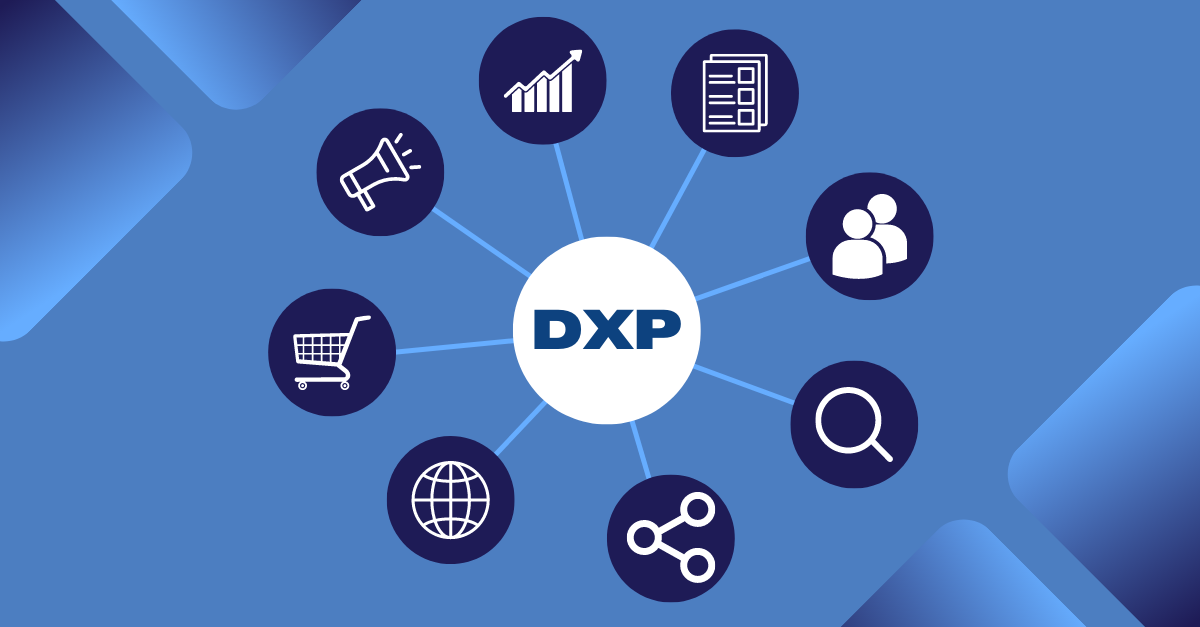
In today's customer-centric world, the quality of a brand's digital presence is no longer a secondary concern—it is the primary battlefield for winning and retaining customers. This has given rise to a powerful and strategic category of enterprise software known as the Digital Experience Platform (DXP). A DXP is an integrated set of core technologies designed to create, manage, deliver, and optimize consistent, personalized, and seamless digital experiences across the entire customer journey. Unlike a collection of disconnected point solutions, a DXP provides a unified architectural foundation for managing a brand's website, mobile apps, e-commerce portals, social media interactions, and customer service touchpoints. By breaking down data silos and providing a single view of the customer, a DXP empowers businesses to deliver the right content to the right person at the right time on the right channel, fostering deep engagement and long-term loyalty.
At its core, a DXP integrates several key technological components into a single, cohesive platform. The foundational element is often a powerful Content Management System (CMS), which provides the tools for creating, managing, and publishing digital content. This is augmented by a robust Digital Asset Management (DAM) system for storing and organizing images, videos, and other media. Personalization is a critical capability, with the DXP using customer data and AI to dynamically tailor content and offers to individual users. An integrated e-commerce engine is essential for transactional experiences, while a customer data platform (CDP) acts as the central brain, unifying customer data from all sources to create a comprehensive 360-degree profile. All of these components are tied together by a layer of analytics and optimization tools that measure performance and enable continuous improvement.
The strategic shift towards a DXP architecture is a response to the fragmentation of the customer journey. A modern customer interacts with a brand across a multitude of digital touchpoints—they might discover a product on social media, research it on the company website, make a purchase on a mobile app, and seek support through a chatbot. A traditional, siloed technology stack, with separate systems for each of these channels, creates a disjointed and inconsistent customer experience. A DXP solves this problem by providing a central hub for content, data, and analytics. This allows a brand to maintain a consistent look, feel, and message across all channels and to recognize the customer as a single individual as they move from one touchpoint to another, creating a truly seamless and omnichannel journey.
The ultimate value of a Digital Experience Platform lies in its ability to drive measurable business outcomes by focusing on the customer. By delivering more relevant and personalized experiences, businesses can significantly increase engagement, conversion rates, and average order value. A unified view of the customer allows for more effective marketing, more proactive customer service, and the identification of new cross-sell and upsell opportunities. Furthermore, by providing a single, integrated platform, a DXP can reduce IT complexity, lower the total cost of ownership compared to managing dozens of separate point solutions, and enable marketing and business teams to launch new digital initiatives much faster. In an economy where the customer experience is the primary brand differentiator, a DXP has become an essential foundation for digital success.
Top Trending Reports:
Categories
Read More
"Executive Summary North America Chromatography Food Testing Market Research: Share and Size Intelligence The rising number of foodborne illnesses, technological advancements in the testing industry, rigidity in food regulation and standards, and increasing investment in food safety testing services are some factors driving the market. However, the high cost of chromatography...

Letters have been sent to officers warning that their personal records may have been exposed. A Staten Island warehouse was burglarized after security cameras were reportedly disabled, and eight backup tapes were taken. Police have charged Anthony Borelli, a civilian and the former director of communications for the NYPD pension fund, with burglary, grand larceny and computer trespass....
A three-part documentary called The Man With 1000 Kids follows families unraveling the consequences of one Dutch donor’s extensive sperm donations. Investigators found that Jonathan Meijer supplied sperm internationally and to at least 11 clinics in the Netherlands alone. He had told some recipients he intended to help just a small number of families, a statement that was later exposed...
Seven Films Advance in Visual Effects Oscar Race The Academy has narrowed down the contenders for the Visual Effects Oscar, with seven films still competing for nominations in the 83rd Academy Awards competition. The shortlisted films represent a diverse range of visual storytelling, including fantasy adventures "Alice in Wonderland" and "Harry Potter and the Deathly Hallows Part 1," sci-fi...
(圖/ 臺南市政府文化局) 「2025藝術進區」系列活動6日晚間在臺南市永康區社教中心廣場熱鬧登場,由國內知名的狂美交響管樂團率先開演,以《卡通動畫大進擊》為主題,將古典旋律與動漫音樂結合,帶來動感與懷舊兼具的聽覺饗宴,現場吸引近1,500名觀眾參與,共同見證年度藝術盛事的啟動。 (圖/ 臺南市政府文化局) 臺南市長黃偉哲與多位在地民代一同出席開幕式,宣布為期三個月的藝術巡演正式展開。他表示,市府推動「文化平權」多年來深耕社區角落,讓藝術不僅存在於專業劇院,更能走入基層。自2009年首度舉辦以來,「藝術進區」已累計舉辦393場演出,觀賞人次突破28萬,成為臺南在地居民共同的文化記憶。...