The Digital Lifeline: An Introduction to the Modern Disaster Recovery Solution
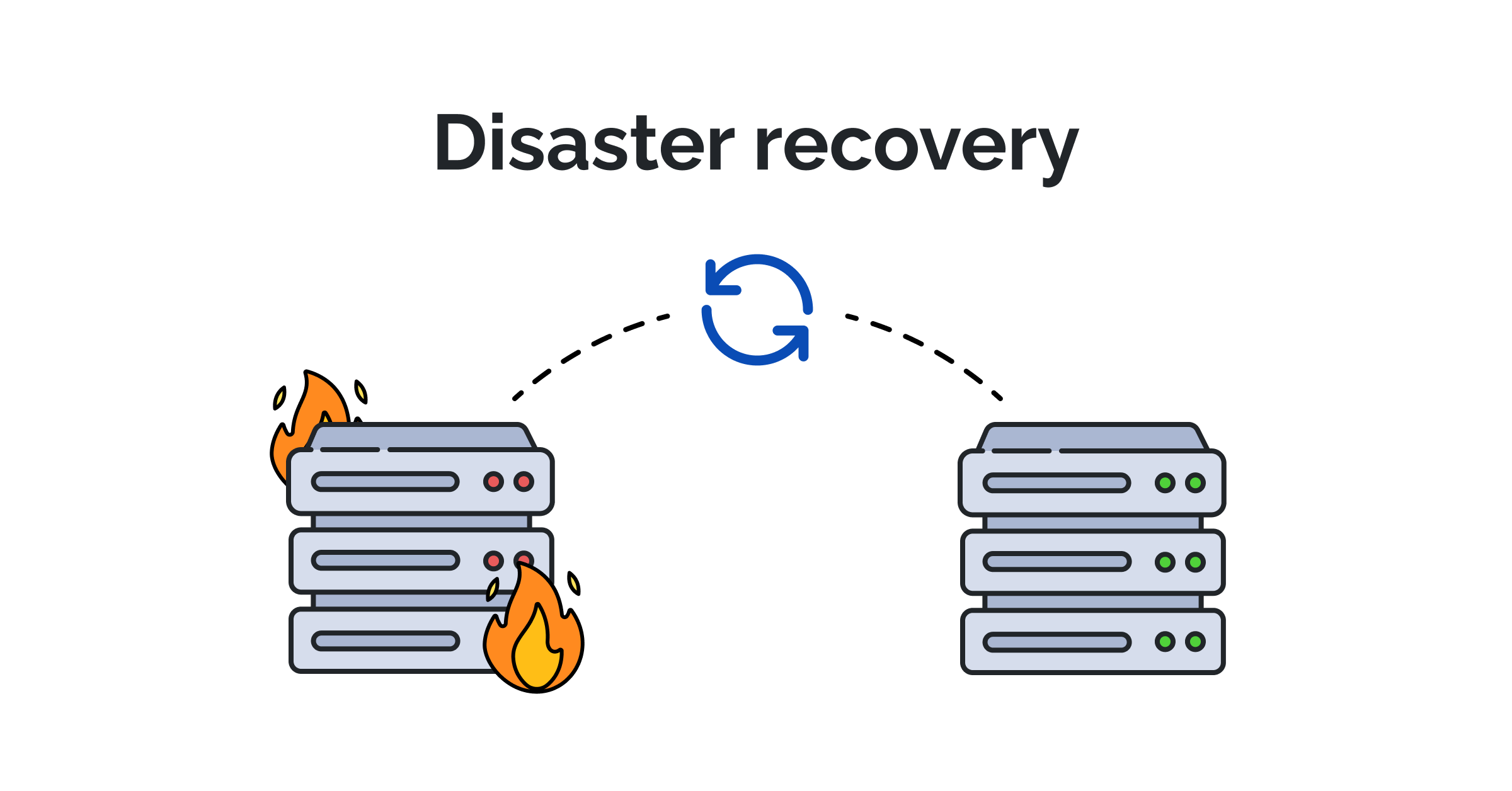
In a world where business operations are almost entirely dependent on digital infrastructure, the ability to recover from a major disruption is not just a technical concern—it is a matter of survival. This is the critical role of a Disaster Recovery Solution, a comprehensive set of technologies and processes designed to restore an organization's IT systems and data after a catastrophic event. Such an event could be a natural disaster like a flood or fire, a major power outage, a hardware failure, or, increasingly, a devastating cyberattack like ransomware. A modern DR solution goes far beyond simple data backups. It involves creating a complete, replicable copy of an organization's critical IT environment in a secondary location, with automated processes to failover to that site and bring systems back online quickly. This "digital lifeline" is the ultimate insurance policy, ensuring business continuity in the face of the unexpected.
At the heart of any disaster recovery plan are two fundamental metrics: the Recovery Point Objective (RPO) and the Recovery Time Objective (RTO). RPO defines the maximum acceptable amount of data loss, measured in time. An RPO of one hour means the organization can tolerate losing up to an hour's worth of data. This dictates how frequently data must be backed up or replicated. RTO defines the maximum acceptable amount of downtime, or how long it can take to restore service after a disaster is declared. An RTO of four hours means critical systems must be back online within that timeframe. These two objectives are the primary drivers of the DR strategy and technology choices. A lower RPO and RTO (e.g., near-zero) require more sophisticated and expensive technology, while a higher RPO and RTO allow for simpler, more cost-effective solutions.
The technologies that underpin a disaster recovery solution are varied, but they generally revolve around data replication and environment orchestration. Data replication is the process of copying data from the primary production site to a secondary DR site. This can be done asynchronously, where data is copied periodically (e.g., every 15 minutes), or synchronously, where data is written to both sites simultaneously, ensuring zero data loss (an RPO of zero). The secondary site itself can be a physical data center owned by the organization, a colocation facility, or, increasingly, a public cloud environment. Orchestration software is the "brains" of the solution, automating the complex process of "failing over" to the DR site. This involves shutting down systems at the primary site, bringing up the replicated servers and applications at the secondary site in the correct order, and re-routing network traffic.
Ultimately, a disaster recovery solution is a crucial component of a broader Business Continuity Plan (BCP), which encompasses all aspects of keeping a business running during a crisis, including people and processes. While backups are essential for recovering individual files, a DR solution is about recovering entire systems and business functions. The ability to failover to a secondary site and continue operations with minimal data loss and downtime is what separates a minor inconvenience from a company-ending catastrophe. In an always-on digital world, where downtime is measured in lost revenue and reputational damage, a well-architected and regularly tested disaster recovery solution is not an optional IT expense; it is a fundamental requirement for modern business resilience.
Top Trending Reports:
Conference Room Solution Market
Categories
Read More
"Executive Summary Hospital Staffing Market Size and Share: Global Industry Snapshot CAGR Value The global hospital staffing market size was valued at USD 40.50 billion in 2024 and is expected to reach USD 65.68 billion by 2032, at a CAGR of 6.23% during the forecast period. Research and analysis about the key developments in the market, key competitors...

Buy Verified Paypal Accounts Introduction to Paypal Accounts In today’s digital landscape, having a reliable payment method is crucial for anyone looking to thrive online. PayPal stands out as one of the most trusted platforms, offering users a seamless way to send and receive money. But not all accounts are created equal. Verified PayPal accounts unlock a world of benefits that can...

Rupert Grint extended heartfelt guidance to Alastair Stout, the actor inheriting Ron Weasley's iconic role in HBO's new Harry Potter series. He crafted a personal letter before filming commenced, metaphorically passing the baton to the young successor. "It felt important to wish him the very best," Grint shared. "Stepping into that magical universe brought me immense joy, and I sincerely hope...
