Which TIG Practices Produce Clean Toes And Uniform Finish With This Filler?
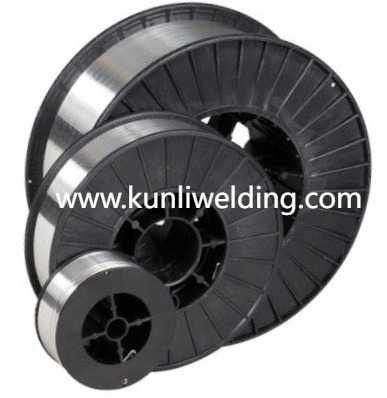
When process selection matters for structural and marine assemblies, choosing compatible techniques is central to predictable outcomes. Aluminum Welding Wire ER5183 often pairs well with specific welding styles because its deposit chemistry and flow characteristics respond predictably when arc control and heat input are managed correctly. Fabricators facing demand from electrification and infrastructure projects benefit when technique selection reduces rework and shortens qualification time.
MIG variants are frequently used with this filler in automated and semi automated environments. The pulsed transfer approach in particular helps control net heat input while maintaining adequate penetration for thicker sections. Pulse modes allow higher instantaneous energy while limiting average heat so that the puddle remains controllable without enlarging the heat affected zone unduly. In mechanized cells, pairing pulse settings with a stable wire feed and correct drive roll profile minimizes feed interruptions and supports repeatable bead geometry.
TIG welding is also appropriate for many applications that require fine cosmetics and tight dimensional control. When operators need a cleaner toe and smoother transitions for parts that will receive protective finishes, a controlled TIG approach with steady torch mechanics yields consistent wetting of the deposit. Manual TIG requires disciplined filler addition and a steady travel rhythm; automated TIG benefits from repeatable torch motion and controlled filler feed to keep the puddle responsive.
Hybrid approaches combine the strengths of these processes. For example, using TIG for root passes in constrained joints and following with a controlled MIG cap balances fusion control with deposition speed. That hybrid sequence is helpful when parts demand both structural integrity and visible finish quality. In robotic welding cells, defining separate parameter sets for root and cap passes and documenting the sequence reduces iteration when teams run qualification trials on representative assemblies.
Surface preparation and joint fit up remain process prerequisites regardless of technique. The filler behaves best on clean surfaces with consistent edge geometry and adequate fit. Removing surface contamination and controlling gap dimensions reduce the chance of porosity and incomplete fusion. Shops that standardize cleaning protocols and inspect fit up before welding find that technique adjustments become minor tweaks rather than major rework steps.
Torch angle travel speed and wire feed synchronization matter in practice. For fillet work, a slightly push oriented angle coupled with measured travel speed encourages uniform reinforcement and reduces toe undercut. For butt joints, control of heat input through travel speed and arc length promotes even penetration and reduces distortion. Operators should document the sight line and hand positions that reproduce desired outcomes so shift to shift variability is minimized.
Shielding strategy complements the chosen technique. Stable shielding flow and correct nozzle position prevent arc wandering and protect the puddle chemistry. Process windows that include recommended gas composition and flow rates reduce variability when teams move between manual and automated cells. Pairing supplier handling notes with in shop trials establishes reliable starting points and shortens the path to stable production settings.
Qualification and testing close the loop. Run representative coupons that mirror real joint geometry and finishing steps, and record the parameters that produce acceptable bead profile and mechanical checks. Documenting the successful settings with lot identifiers for the supplied wire reduces the number of iterations required when new spools arrive. Regular audits of feeder systems liners and drive rolls ensure the technique remains effective as production continues.
Operator training and documentation are decisive. Techniques that work well with the filler require consistent execution. Training that focuses on rhythm, torch placement and small adjustments for varying joint types helps transfer successful trial settings into series production. When teams combine supplier guidance with documented shop practice the transition from prototype to serial manufacture becomes far more predictable.
For fabricators evaluating process choices for this filler, align welding technique with joint demands, finishing expectations and automation level. Where possible, standardize parameter sets, document successful trials and maintain clear communication with the supplier to ensure consistent wire feed and handling. For technical materials and product guidance on this filler and related aluminum welding wires consult the manufacturer resource at www.kunliwelding.com .
分类
閱讀更多
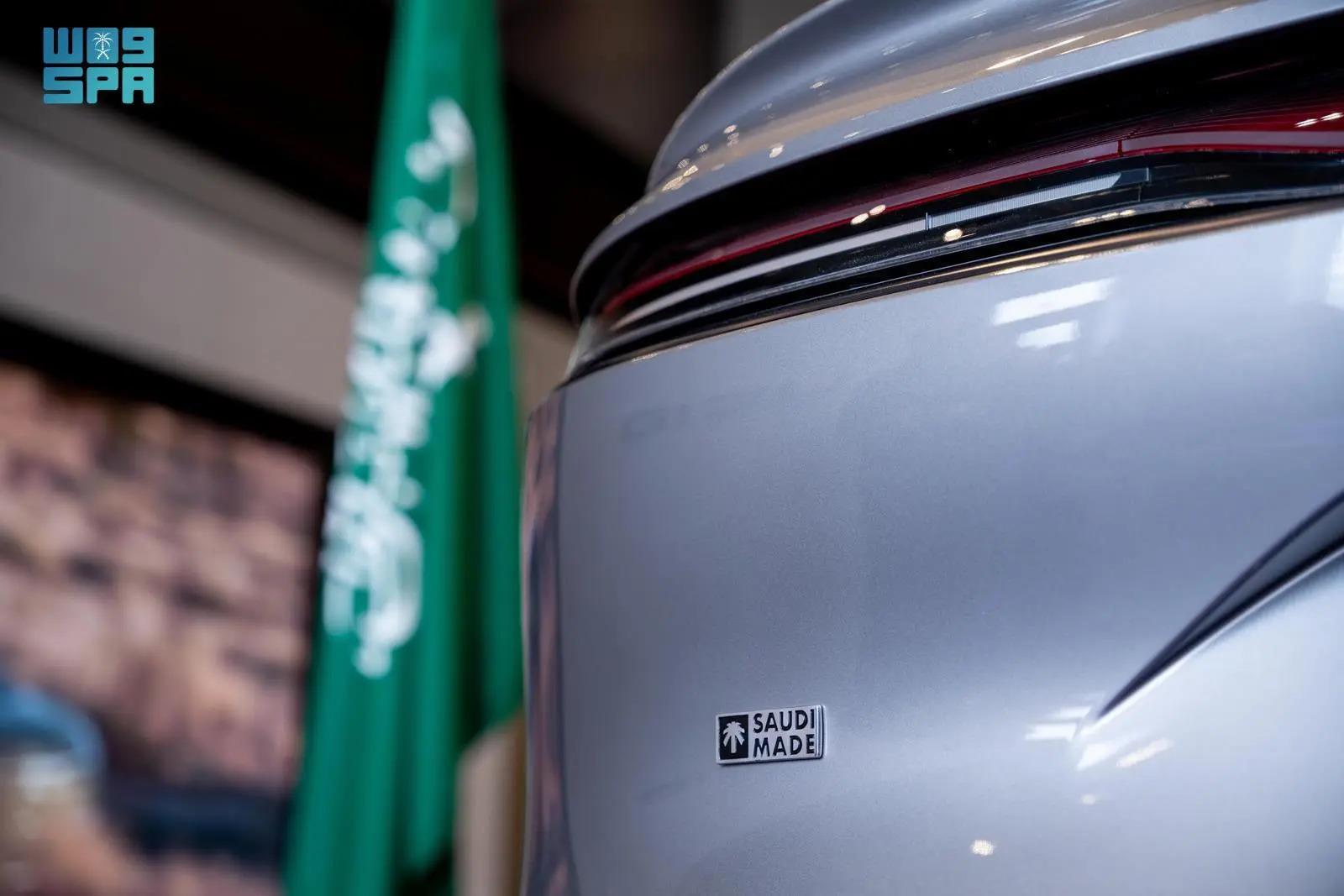
(圖/沙特通訊社) 領先的電動車製造商 Lucid Motors 最近達成一項重要里程碑,成為第一家獲得「沙烏地阿拉伯製造」徽章的原始設備製造商 (OEM)。這一徽章象徵品質、卓越與創新,突顯了沙烏地阿拉伯在全球電動車市場中的重要地位,也標誌著該國向減少石油依賴和推動經濟多元化邁出了關鍵一步。 Lucid Motors 為沙烏地阿拉伯電動車產業奠基 隨著沙烏地阿拉伯致力於實現經濟轉型,推動國家產業戰略,Lucid Motors 被視為該計劃的重要合作夥伴之一。沙烏地工業與礦產資源部部長班達爾·阿爾霍拉耶夫 (Bandar Alkhorayef) 表示,Lucid 成為第一家帶有「沙特製造」標誌的汽車製造商,不僅展示了該公司世界一流的電動車製造能力,也凸顯了沙烏地阿拉伯努力建立電動車產業綜合生態系統的決心。 Lucid Motors 目前在沙烏地阿拉伯經濟特區...
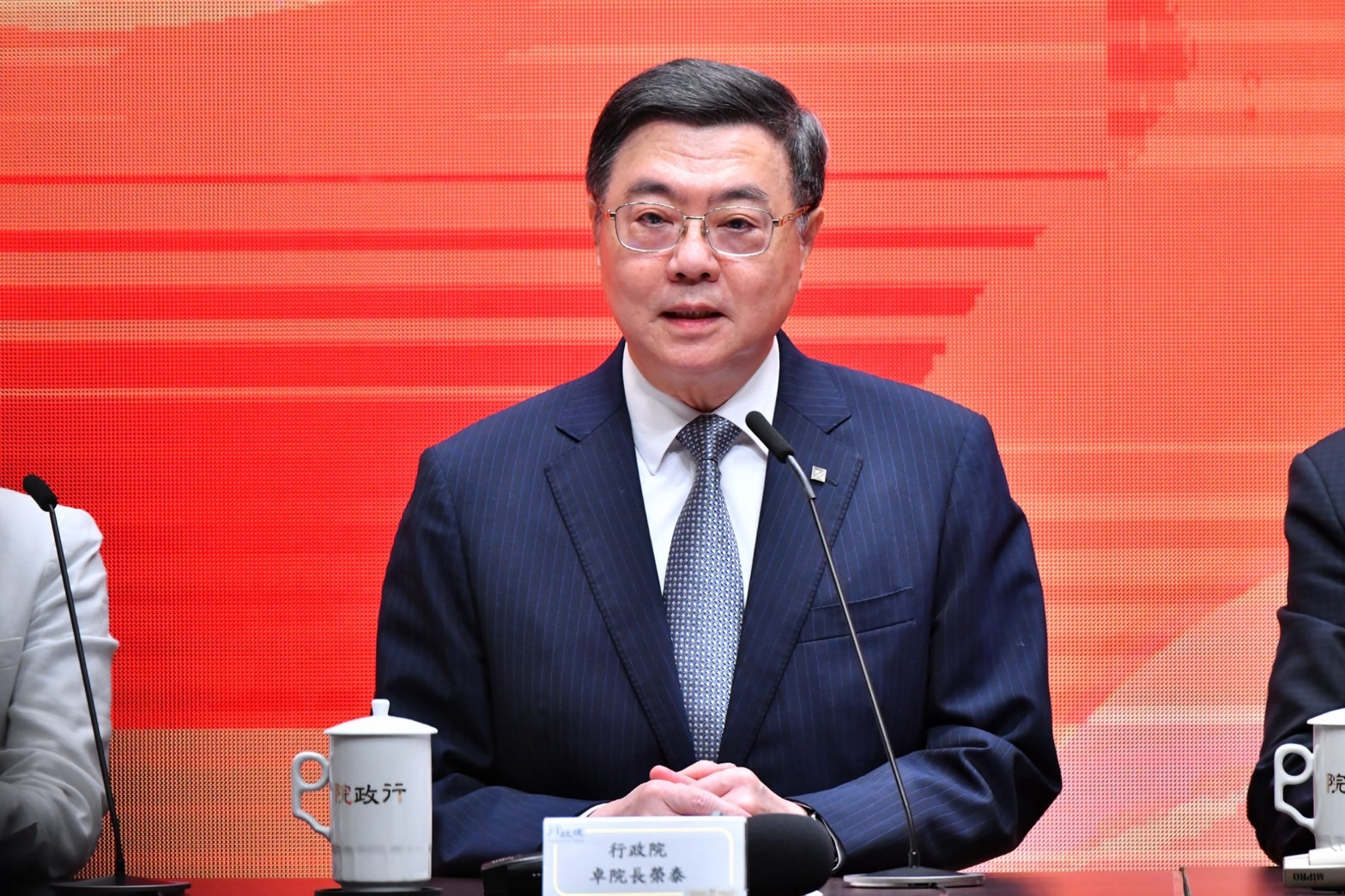
《財政收支劃分法》修正引發中央與地方財政緊張,行政院長卓榮泰今(13)日邀集11縣市首長齊聚行政院,共商因應之道。卓榮泰會後召開記者會指出,會中聚焦三大問題:中央財源不足、地方自治事權歸屬,以及分配公式失衡,並強調須尋求「可長可久」的制度性解方。 (圖/ 行政院) 上午會議由財政部與主計總處先行說明新版財劃法的衝擊,指出因4,165億元財源須撥入地方統籌分配稅款,中央歲入相對減少,加上國防、外交、公共建設與債務償還支出壓力,使中央預算編列陷入困境。卓榮泰直言,若維持現行補助機制,將違反《公債法》15%舉債流量上限。 卓榮泰進一步強調,《財劃法》既以落實地方自治為目標,則應連同事權一併回歸地方,中央與地方應明確劃分責任。他同時指出,目前分配公式過度依賴人口及營業額,忽略人口結構、土地管理與產業條件差異,導致城鄉失衡。 (圖/ 行政院)...
In the realm of Delta Force, Terry Musa, widely recognized as Shepherd, is a key engineer operator who is available from the beginning of the game. Mastering Shepherd requires understanding the optimal equipment and tools that maximize his engineering capabilities and tactical versatility. As an engineer, Shepherd excels in tasks such as repairs and modifications, making him indispensable for...

Buy Github Accounts Enhance your digital presence with our GitHub accounts with full verification. If you want to get verified and quality accounts, the right place is ussmmservice. We sell the highest quality accounts and are one of the most trusted sellers, selling verified new and old GitHub accounts worldwide. Whether you need an account from USA, UK, CA, AUS, or any other...