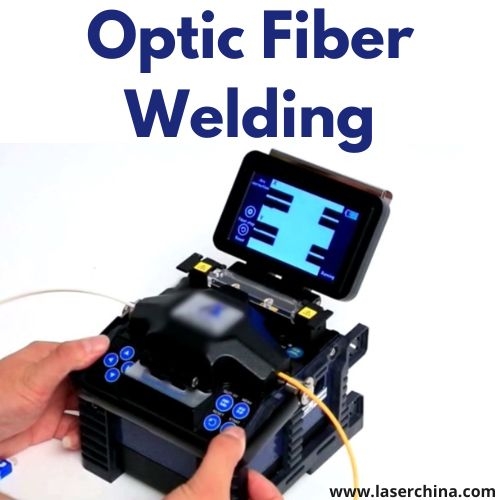

Optic fiber welding is an advanced joining technology that uses concentrated laser energy to create strong, precise, and reliable welds. As modern manufacturing continues to demand higher accuracy, improved productivity, and consistent product quality, laser-based welding solutions have become increasingly important across various industrial sectors. This technology provides an effective approach to joining metal components while maintaining excellent control over the welding process.
LaserChina is committed to providing advanced laser equipment and innovative industrial solutions designed to meet the evolving needs of manufacturers. With a focus on precision, performance, and practical applications, LaserChina supports businesses seeking modern welding technologies that can improve production efficiency and deliver dependable results.
Understanding the Optic Fiber Welding Process
Optic fiber welding involves delivering concentrated laser energy through an optical fiber to a specific welding position. The laser beam generates intense heat at the target area, allowing metal surfaces to melt and fuse together. Once the molten material cools, it forms a solid joint with excellent structural integrity.
Fiber laser technology offers precise energy delivery and flexible operation. Manufacturers can control important welding parameters, including laser power, welding speed, and focal position, according to the material and application requirements. This flexibility makes the technology suitable for different metalworking operations and production environments.
High Precision and Consistent Welding Quality
One of the major advantages of optic fiber welding is its exceptional precision. The concentrated laser beam allows manufacturers to work on small components, narrow joints, and detailed metal structures. This level of accuracy is particularly valuable in industries where product dimensions and welding consistency are essential.
The controlled heat input also helps reduce unnecessary thermal exposure around the welding area. As a result, manufacturers can achieve clean welding results while maintaining the quality of surrounding materials. With appropriate process settings, optic fiber welding supports repeatable production and professional finishing.
Improved Manufacturing Efficiency
Production efficiency is an important benefit of modern optic fiber welding systems. Fiber laser technology can provide high welding speeds while maintaining accurate energy delivery. This allows manufacturers to complete various joining operations efficiently and improve their overall production workflow.
For businesses handling regular manufacturing orders, faster processing can help increase output and support better production planning. Automated and integrated welding configurations can also help maintain consistent operating procedures across different production batches.
LaserChina offers advanced laser equipment designed to support manufacturers in developing efficient and reliable industrial production processes.
Excellent Welding Performance for Different Metals
Optic fiber welding technology is suitable for a variety of metal materials, depending on the laser configuration and process requirements. Common applications include stainless steel, carbon steel, aluminum, and other compatible metal alloys.
Different materials require specific welding parameters to achieve optimal results. Laser power, beam focus, welding speed, and joint preparation all contribute to the final welding quality. By selecting suitable equipment and adjusting the process correctly, manufacturers can achieve strong joints and attractive welding finishes.
This versatility makes optic fiber welding an appealing solution for businesses working with different metal products and manufacturing requirements.
Reduced Heat-Affected Areas
Controlled heat input is another important advantage of optic fiber welding. Traditional welding processes may distribute heat across a relatively large area, while concentrated laser energy allows manufacturers to focus heat more precisely on the intended joint.
This helps limit the heat-affected zone in suitable applications and can reduce material distortion. It is particularly useful when working with thin metal sheets, delicate components, and products that require accurate dimensions.
Better thermal control also contributes to improved product appearance and helps manufacturers maintain the quality of finished components.
Applications Across Multiple Industries
Optic fiber welding has applications in many modern manufacturing industries. Its precision, flexibility, and efficient processing capabilities make it suitable for different industrial production environments.
In the automotive industry, it can support the joining of metal components, structural parts, and precision assemblies. Electronics manufacturers can use laser welding for small metal components and detailed connections. In the medical equipment sector, carefully controlled welding processes can support the production of specialized metal instruments and components.
The technology is also valuable in hardware manufacturing, sheet metal fabrication, machinery production, and metal product processing. Its adaptability allows businesses to explore different applications based on their production needs.
Strong Weld Joints and Professional Finishing
Welding strength and appearance are essential factors in manufacturing quality. Optic fiber welding can produce narrow, well-defined weld seams with suitable penetration and fusion when the process is configured correctly.
The concentrated laser beam provides excellent control over the welding area, supporting clean joints and attractive finished surfaces. Depending on the material, joint design, and selected parameters, manufacturers can achieve different welding depths and seam profiles.
These characteristics make the technology useful for products that require both reliable mechanical performance and a professional appearance.
Advanced Fiber Laser Technology from LaserChina
LaserChina focuses on delivering advanced laser technology for industrial applications. Its product range supports businesses looking for modern laser equipment for welding, cutting, marking, and other metal processing operations.
When selecting an optic fiber welding solution, manufacturers should consider several important factors, including material type, material thickness, required welding depth, production speed, and the intended application. Choosing the correct laser configuration helps ensure that the equipment matches actual manufacturing requirements.
LaserChina aims to support industrial customers with technology-focused equipment solutions that contribute to productivity, precision, and consistent manufacturing performance.
Benefits of Choosing Optic Fiber Welding
Optic fiber welding provides several valuable benefits for modern manufacturing businesses:
-
High precision: Concentrated laser energy supports accurate welding on detailed components.
-
Fast processing: Efficient laser energy delivery helps improve production speed.
-
Consistent results: Controlled welding parameters support repeatable production quality.
-
Material versatility: Suitable configurations can process various metals and alloys.
-
Reduced thermal impact: Focused heat input can help minimize distortion in suitable applications.
-
Clean welding appearance: Produces attractive and well-defined weld seams.
-
Flexible integration: Can be incorporated into different manufacturing workflows and automated production systems.
-
Improved productivity: Supports efficient operations and better production planning.
These advantages make optic fiber welding an attractive investment for manufacturers seeking to modernize their metal joining processes.
How to Select the Right Optic Fiber Welding Equipment
Choosing suitable equipment is essential for achieving the best welding performance. Before purchasing a system, businesses should evaluate their production requirements and the materials they intend to process.
Laser power is an important consideration because it influences welding penetration and processing capabilities. Manufacturers should also examine the available control systems, beam delivery configuration, cooling arrangements, and compatibility with their production environment.
Additionally, understanding the required welding speed and joint quality can help businesses select a suitable solution. Working with an experienced equipment supplier such as LaserChina can help manufacturers identify laser technology that aligns with their operational goals.
Final Thoughts on Optic Fiber Welding
Optic fiber welding represents an important advancement in modern metal joining technology. Its combination of precision, speed, controlled heat input, and application flexibility makes it a valuable solution for manufacturers across numerous industries.
From automotive components and electronic products to industrial machinery and precision metal fabrication, this technology offers opportunities to improve production quality and manufacturing efficiency.
LaserChina supports the growing demand for advanced laser processing solutions by providing industrial laser equipment designed around modern manufacturing needs. For businesses looking to enhance welding accuracy, achieve consistent results, and improve production capabilities, optic fiber welding is a promising technology.
By selecting the right equipment and applying appropriate welding parameters, manufacturers can take advantage of the benefits of fiber laser technology and build more efficient, precise, and competitive production operations.