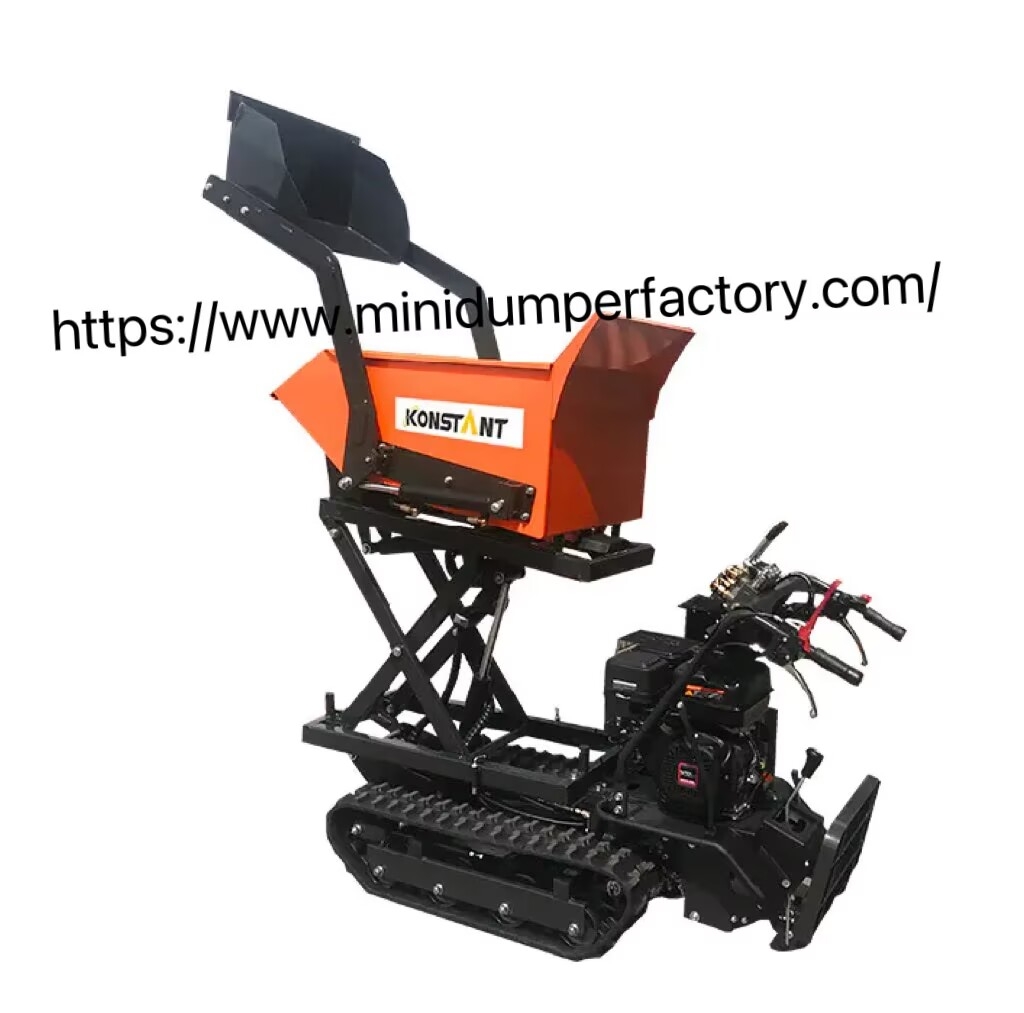

Power Barrow selection starts with a clear assessment of the materials, distances, and ground conditions involved in daily work. Construction companies, landscaping teams, farms, and equipment distributors may have different priorities, so buyers should compare product specifications against their actual operating needs. Carrying capacity, machine dimensions, unloading arrangements, energy requirements, and maintenance access all deserve attention before an order is placed. A structured evaluation helps purchasing teams identify suitable equipment and prepare practical questions for the manufacturer.
Identify the Materials and Expected Load
Begin by listing the materials the machine will carry. Soil, gravel, bricks, stones, garden waste, and construction debris differ in weight, texture, and volume. A container that holds a large amount of lightweight material may not be suitable for a smaller volume of dense material.
Estimate the usual load per trip and the number of trips required during a working day. Compare these figures with the rated carrying capacity in the product specifications. Buyers should follow the stated load limit and operating instructions rather than relying on visual estimates.
It is also helpful to consider whether the machine will serve one application or several. Landscaping teams may move soil and plant waste, while construction crews may transport tools, bags, and building materials. These tasks can require different container dimensions and configurations.
Measure the Worksite Before Selecting a Model
The working environment has a direct influence on equipment selection. Measure narrow gates, doorways, paths, turning areas, and unloading zones. Compare the available clearance with the machine's length, width, and height to avoid access problems after delivery.
Surface conditions also matter. Uneven ground, loose gravel, wet soil, and slopes may affect traction and handling. Buyers should check the running system and the manufacturer's instructions for the surfaces where the machine will be used. For restricted work areas, consider visibility, turning clearance, and the space needed for loading and unloading.
If the equipment will operate indoors, confirm whether the selected configuration is suitable for enclosed spaces and review any ventilation requirements. A site inspection before purchasing can help reduce the risk of choosing a model that does not fit the intended environment.
Review Container Design and Unloading Functions
The container and unloading system influence how materials move through the work process. Buyers should examine the container's shape, volume, opening size, and construction. These features should match the materials being carried and the destination where they will be discharged.
For example, a project may require soil to be placed beside a garden bed, gravel to be discharged into a designated area, or debris to be emptied at a collection point. Consider the available clearance and the space required to operate the tipping mechanism.
Ask the manufacturer how the unloading system works, what controls it uses, and which materials are suitable for the selected configuration. Clear technical information can help buyers determine whether the design fits the intended workflow.
Compare Energy Requirements and Operating Time
The energy system should match the planned schedule and available resources. For battery-operated models, review battery capacity, charging time, estimated operating duration, and charging requirements. Actual running time can vary according to load, terrain, travel distance, and operating habits, so buyers should request information for the specific model under consideration.
For engine-driven models, consider fuel requirements, servicing, noise, and the conditions in which the equipment will operate. Indoor and enclosed environments require particular attention to emissions and ventilation guidance.
Evaluate the full working cycle rather than relying on one specification. Loading, travelling with materials, unloading, and returning to the starting point all contribute to daily usage. This assessment helps businesses estimate whether the selected configuration can support their planned tasks.
Examine Controls and Maintenance Needs
Operators should be able to understand the steering, braking, speed adjustment, and unloading controls. Buyers should review the operating instructions and determine what training is needed before the equipment enters service. Safe operation also depends on suitable worksite procedures and attention to nearby people and obstacles.
Maintenance requirements should be clarified before ordering. Ask about inspection points, service intervals, replaceable parts, and spare part availability. Access to clear technical documents can help maintenance staff plan routine care and anticipate operating costs.
Storage is another practical consideration. Confirm the space required to park the machine and whether the storage location can accommodate charging, inspection, or servicing where applicable.
Prepare Questions Before Requesting a Quotation
A purchasing checklist can make communication with a manufacturer more efficient. Include the material type, expected load, daily usage, ground conditions, site dimensions, unloading needs, and preferred energy system. This information helps the supplier understand the intended application and discuss relevant product specifications.
For importers and distributors, additional questions may cover minimum order quantities, packaging, delivery arrangements, technical documentation, spare parts, and available configurations. Ask for written details so that different options can be compared consistently.Taking time to verify these points helps buyers identify unanswered questions before confirming an order. Businesses looking for material transport equipment can review the product information from minidumperfactory and compare the available specifications with their working requirements. Visit https://www.minidumperfactory.com/ to view the company's equipment range and prepare for a more informed purchasing discussion.