What Should Buyers Confirm with minidumperfactory Before Ordering?

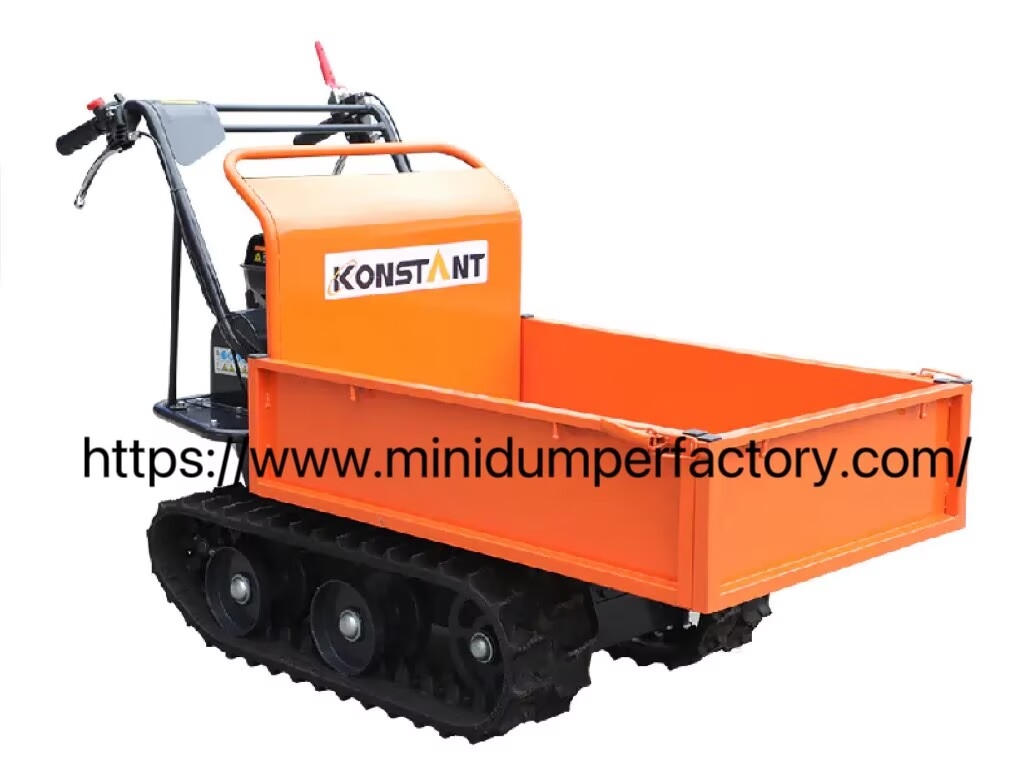
Power Barrow Manufacturer inquiries should begin with a clear description of the intended application and the requirements that must be confirmed before production. Contractors, importers, distributors, and rental businesses may have different purchasing priorities. Asking focused questions helps buyers clarify technical specifications, commercial conditions, and order procedures before making a commitment.
How Will the Proposed Model Match Your Requirements?
Start by explaining the tasks the machine needs to perform. Describe the materials being transported, the working environment, the available access space, and the expected frequency of use. If the equipment will operate around narrow pathways, buildings, or stored materials, provide measurements that help clarify the space available.
Request a specification sheet covering relevant details such as rated load, external dimensions, container design, drive arrangement, unloading method, and operating controls. Confirm the specifications for the exact model in the quotation instead of relying on a general product description.
If several configurations are available, ask the sales team to explain the differences that affect your application. This discussion helps you identify necessary features and distinguish them from optional additions. It also creates a consistent basis for comparing proposed models against actual worksite conditions.
Which Documents Should You Review Before Approval?
Technical documents and commercial records serve different purposes, so buyers should understand what each document covers. A specification sheet describes the proposed equipment, while a quotation outlines the commercial terms and included items.
Request a quotation that clearly identifies the model, quantity, configuration, accessories, packaging arrangements, payment conditions, and estimated schedule. Ask for clarification whenever a description is vague or an important detail is missing.
For customized orders, obtain written confirmation of approved colors, labels, accessories, or other agreed changes. Keep drawings, reference photographs, and specification revisions connected to the relevant order record. If a new version replaces an earlier one, ensure that both parties understand which document governs the final configuration.
This approach allows purchasing teams to review proposals internally and reduces the risk of relying on assumptions when an order moves forward.
What Should You Check During Sample Evaluation?
A sample can provide useful information before a business commits to a larger quantity. Ask whether a sample is available, how it will be supplied, and whether its cost or preparation time differs from a regular order.
Before evaluating the unit, prepare a checklist of the details that matter to your business. Depending on the model, these may include external dimensions, container construction, control layout, visible assembly, unloading movement, and access to routine service points.
If a physical sample is unavailable, request recent photographs or a demonstration showing the relevant functions. Visual materials can help answer preliminary questions, although they may not confirm every physical characteristic.
When a sample is approved, ask how that approval will be recorded and referenced during production. For distributors planning repeat purchases, retaining an agreed specification record can help keep later orders aligned with the configuration originally reviewed.
How Are Inspection Requirements Agreed?
Inspection expectations should be discussed before the order reaches its final stage. Ask which checks are normally carried out and which additional procedures can be agreed for your purchase.
A checklist may include verification of the model, quantity, dimensions, accessories, visible condition, assembly details, and relevant operating functions. The exact items should reflect the product configuration and the requirements written into the order.
For larger purchases, ask whether a pre-dispatch review can be arranged and whether photographs, checklists, or inspection records will be available. Agree on acceptance criteria in advance so that both parties understand how the finished goods will be reviewed.
If a discrepancy appears, establish how it will be recorded, who will assess it, and how the next steps will be communicated. A defined process gives the purchasing team a consistent way to review the order before shipment.
Which Custom Requests Need Written Confirmation?
Some businesses require adjustments for their own market or distribution arrangements. Depending on the available options, requests may involve exterior color, logo placement, labels, accessories, or packaging.
Ask which changes are available for the selected model and whether they affect the price, minimum order quantity, or estimated schedule. Provide clear artwork, measurements, and reference images when necessary, then request confirmation of the approved version.
The minidumperfactory product range can be included in your research when comparing available equipment configurations. Before confirming a purchase, make sure all agreed adjustments are recorded in the quotation or supporting order documents.
This step is especially important when several people are involved in approving artwork, checking specifications, or arranging payment. Written records give everyone a shared reference and make it easier to identify the version that has received approval.
How Should Delivery and Receiving Be Prepared?
Before shipment, confirm the destination, packaging method, package dimensions, and shipping weight when needed for transport arrangements. Ask which shipping documents will be provided and whether additional information is required for receiving or onward distribution.
For international orders, verify the applicable import requirements for the destination market with the relevant parties. Documentation and regulatory requirements may differ according to the product and destination, so they should not be assumed to be identical for every shipment.
Businesses ordering several units should also discuss how quantities and accessories will be checked before dispatch. A packing list and clear package identification can help warehouse personnel compare the delivery against the purchase record.
If a delivery schedule is important to your project, ask how updates will be communicated and whom to contact if arrangements need to change. Confirming these details in advance helps coordinate purchasing, transport, and receiving responsibilities.
Prepare a Clear Purchasing Brief
Before contacting a supplier, organize your intended application, technical requirements, quantity, preferred configuration, customization requests, inspection expectations, and delivery destination. Separate essential requirements from optional preferences, and list unresolved questions that need written answers before the order is confirmed.Businesses reviewing compact transport equipment can visit minidumperfactory at https://www.minidumperfactory.com/ to view the available product range and identify options for further discussion. A well-prepared inquiry, supported by clear specifications and documented approvals, helps buyers evaluate proposals and coordinate the purchasing process with greater clarity.

 Chinese (Traditional)
 Chinese (Simplify)