Why Routine Vision Care Matters for the Whole Family

Vision care affects every family member differently. Prioritizing routine checkups protects long-term wellbeing. This article explores why consistency truly matters. Families benefit from proactive vision planning.
Vision Needs Change Throughout Life
Children experience rapid visual development. Adults face gradual, subtle changes instead. Seniors encounter higher risks for serious conditions. Each stage requires different levels of attention. Understanding these differences helps family planning. Tailored care benefits every generation appropriately.
Why Early Childhood Screening Matters
Young children rarely notice vision problems themselves. Undetected issues can affect learning significantly. Reading difficulties sometimes stem from eyesight problems. Early screening prevents unnecessary academic struggles. Pediatric exams should begin quite early. Parents play a crucial observational role here.
Recognizing Symptoms in Family Members
Squinting during activities deserves attention. Sitting too close to screens matters too. Frequent headache complaints should not be ignored. Avoiding outdoor activities might indicate discomfort. These small signs often go unnoticed initially. Open family discussion encourages timely intervention.
The Impact of Genetics on Family Vision
Many eye conditions have hereditary links. Glaucoma and macular degeneration often run in families. Sharing family history helps professional assessment. This knowledge supports more accurate screening. Awareness allows earlier, more effective treatment. Genetic factors deserve open family conversation.
Screen Time and Family Eye Strain
Modern households rely heavily on devices. This increases risks of digital eye strain. Both children and adults experience symptoms. Blurred vision after screen use is common. Establishing boundaries helps somewhat with symptoms. Professional guidance addresses underlying causes effectively.
Nutrition's Role in Family Eye Health
Family meals significantly influence vision health. Leafy greens and fish support retinal function. Encouraging healthy eating benefits entire households. Small dietary changes create noticeable improvements. Nutrition education helps children build lifelong habits. Family-wide changes often prove most effective.
Building Consistent Family Routines
Establishing regular appointments creates healthy habits. Scheduling exams together simplifies family logistics. Consistency helps track changes across years. Families benefit from unified health record keeping. Building routines early ensures better long-term compliance.
Choosing a Reliable Family Provider
Consistency with one provider offers real advantages. Doctors can monitor subtle changes over years. Families value dependable, familiar professional relationships. Partnering with a trusted eye doctor Stoney Creek builds lasting confidence. This relationship simplifies future appointment planning significantly.
Preparing Children for Eye Exams
Explaining the process reduces childhood anxiety. Simple, reassuring language helps significantly. Bringing comfort items can ease nervousness. Positive early experiences encourage future compliance. Parents should remain calm and supportive throughout.
Balancing Busy Family Schedules
Busy routines often delay important appointments. However, prioritizing vision health remains essential. Scheduling exams during quieter seasons helps. Combining checkups with other appointments works well. Planning ahead makes consistency more achievable.
Long-Term Benefits of Family Vision Care
Preventive care reduces future health complications significantly. Early detection often means simpler treatment options. Families save considerable time, money, and stress. Consistent care builds healthier long-term habits overall. Every generation benefits from proactive family planning.
Final Thoughts on Family Vision Priorities
Vision care deserves consistent family attention always. Small routines create meaningful long-term protection. Families benefit from proactive, consistent scheduling. Prioritizing eye health supports everyone's daily wellbeing. Investing in routine care pays lasting family dividends.
Categories
Read More
(圖/ 交通部觀光署) 交通部觀光署再赴馬來西亞檳城與吉隆坡推廣臺灣觀光,結合雙城接力行銷策略與網紅合作機制,積極搶攻東南亞出境旅遊成長商機,並提前布局2026年節慶與連假來台旅遊市場。 馬來西亞長期為臺灣新南向政策的重要客源市場之一,受惠於2025年經濟成長率達5.2%、出境旅遊需求持續上升,加上直飛航班密集與民眾對臺灣旅遊熟悉度高,使其成為觀光署重點推廣地區。本次行銷行動整合29個單位、共64人組成臺灣觀光代表團,於5月13日至20日赴檳城與吉隆坡辦理台灣旅展及B2B觀光推廣活動。 在檳城場次中,台灣觀光展選址於Queensbay Mall舉行,主打「Taiwan—Waves of...

INTRODUCTION Swimming pool waterproofing is one of the most important stages in the construction, renovation, and long-term maintenance of both residential and commercial swimming pools. A swimming pool is constantly exposed to water pressure, changing temperatures, environmental conditions, and regular use. Without an effective waterproofing system, moisture can penetrate the pool structure,...

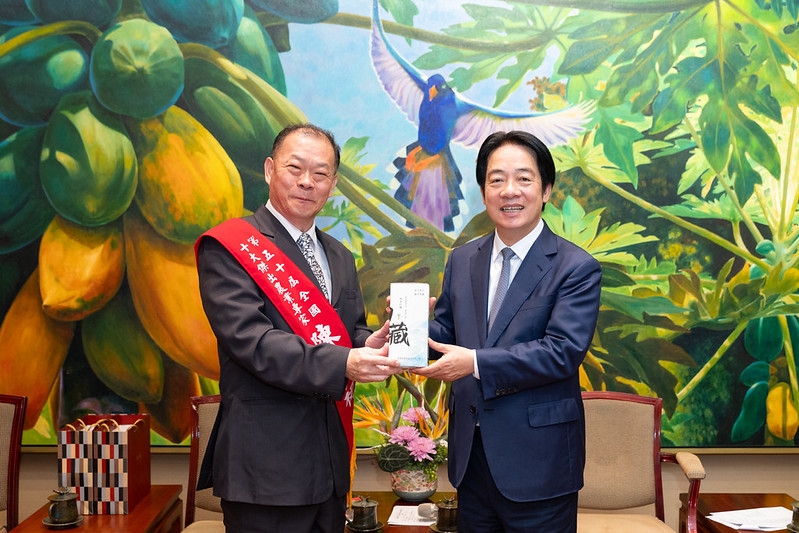
(圖/ 總統府) 賴清德總統肯定全國十大傑出農業專家貢獻、盼攜手讓臺灣農業「立足臺灣、布局全球、行銷全世界」,並指出農業不僅是國家經濟的重要支柱,更是維繫社會穩定與糧食安全的關鍵力量。 總統29日上午在總統府接見第50屆全國十大傑出農業專家時表示,這項被譽為農業界最高榮譽之一的獎項邁入第50屆,象徵臺灣農業專業人才長期深耕與累積成果,也見證產業轉型與升級的重要歷程。 (圖/ 總統府) 賴清德指出,臺灣農業近年發展已逐步朝向兼顧食安、永續與國際競爭力方向邁進,而本屆獲獎專家在農業科技研發、病蟲害防治、智慧機械應用、育種創新與淨零轉型等領域,皆展現卓越成果。 總統表示,守護糧食安全與農民收益,是農業發展的重要基礎。從生物農藥推廣、環境友善防治技術開發,到植物醫師制度建立與病蟲害整合管理,相關研究成果已逐漸導入生產現場,不僅降低農民成本,也提升農產品品質與消費者信心。...