Advanced Technology for Better Muscle Health
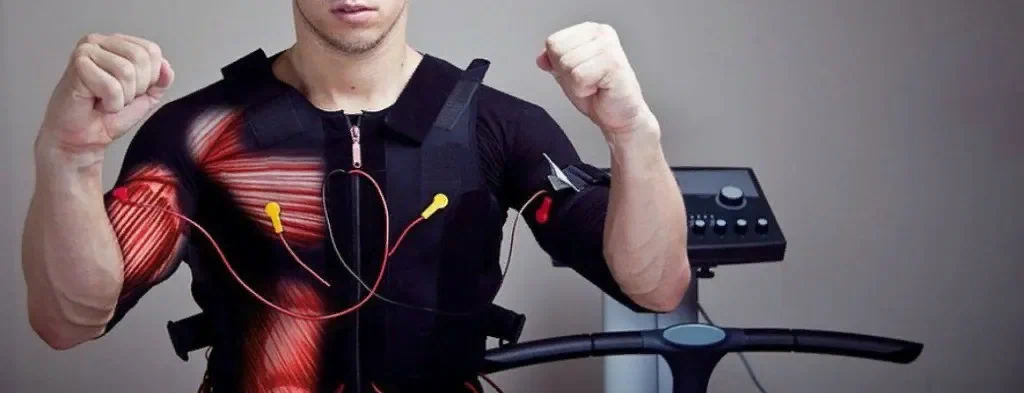
Muscle health has emerged as one of the most important priorities in modern healthcare. Age-related muscle loss affects millions globally and remains significantly undertreated. Advances in therapeutic technology are now changing this picture meaningfully. From precision vibration platforms to wearable neuromuscular devices, innovation is accelerating. This article explores how advanced technology is contributing to better muscle health outcomes.
The Clinical Problem Technology Aims to Solve
Sarcopenia — progressive skeletal muscle loss — is clinically widespread but under-recognized. Estimates suggest it affects up to 30 percent of adults over 60 years. Its consequences include falls, fractures, hospitalization, and reduced life expectancy. Traditional management relies primarily on resistance exercise and nutritional optimization. Both are effective but carry significant barriers for many older or frail individuals. Joint pain limits exercise participation for large numbers of older adults. Nutritional deficiencies are common but compliance with dietary changes is inconsistent. These gaps create a genuine clinical need that advanced technology is beginning to fill. Devices that stimulate muscle function passively offer a practical and accessible solution.
Why Passive Stimulation Technology Matters
Active exercise remains the gold standard for muscle health management. However, not all patients can exercise at the intensities needed for meaningful outcomes. Severely frail individuals may lack the capacity for traditional resistance training. Post-surgical patients are often restricted from loading their joints for weeks. Hospitalized patients experience rapid muscle loss simply through enforced bed rest. Passive stimulation technology engages muscles without demanding voluntary physical effort. This capability is clinically transformative for vulnerable and restricted patient populations. It allows therapeutic muscle engagement to begin far earlier in the recovery or treatment timeline. Earlier engagement prevents the deconditioning that complicates and prolongs overall rehabilitation.
Types of Advanced Muscle Health Technology Available Today
Several distinct categories of advanced technology target muscle health effectively. Whole-body vibration platforms are the most extensively studied within this category. They deliver controlled mechanical oscillations through a standing platform surface. The tonic vibration reflex is activated, causing rapid involuntary muscle contractions. These contractions engage motor units across the targeted muscle groups broadly. Neuromuscular electrical stimulation (NMES) uses electrical impulses to trigger muscle contractions directly. It is particularly effective for patients unable to perform voluntary exercise movements. Percussive vibration devices apply targeted mechanical stimulation to individual muscle groups. Each technology type offers distinct advantages for specific patient populations and clinical goals.
Clinical Evidence Supporting Technology for Muscle Health
The evidence base supporting vibration technology for muscle health is well-established. Multiple randomized controlled trials have studied its effects in older adult populations. Leg strength improvements are consistently reported across multiple well-designed studies. Gait speed and chair-stand performance — key functional measures — also improve reliably. Some studies demonstrate reductions in intramuscular fat following sustained vibration therapy. This structural improvement reflects genuine muscle tissue quality gains over time. Meta-analyses pooling data from multiple trials confirm the overall positive direction. Research in frail, post-surgical, and sarcopenic populations supports broad clinical applicability. The evidence continues growing as longer-term and larger trials are completed.
At the center of many clinical recommendations is a sarcopenia treatment device that delivers precisely calibrated vibration to support muscle engagement at home. These devices are designed to be safe, accessible, and effective for daily use. Their parameters align with those validated in peer-reviewed clinical literature. Healthcare providers increasingly integrate them into comprehensive sarcopenia management programs. They represent the clinical translation of laboratory research into practical patient tools.
How Technology Integrates With Exercise for Muscle Health
Technology is most effective as a complement to active exercise programs. Vibration platforms used during resistance exercises amplify the training stimulus meaningfully. Squats and calf raises performed on a vibrating platform show enhanced motor unit recruitment. This increased recruitment allows greater muscle activation at lower absolute loads. This is especially important for patients who cannot safely lift heavy weights. Physical therapists design hybrid programs combining platform use with targeted exercises. Core stability work on vibrating surfaces challenges postural muscles more effectively. Functional movement training on platforms improves real-world movement patterns simultaneously. These combined programs consistently outperform either exercise or device use alone.
Technology's Role in Preventing Hospital-Associated Muscle Loss
Hospital-associated deconditioning is a recognized and serious clinical problem globally. Patients lose muscle mass rapidly during bed rest, sometimes within days. Older adults lose strength at two to five times the rate of younger patients. This accelerated loss complicates recovery and prolongs hospital stays significantly. Bedside vibration devices offer a practical solution within the hospital setting. They can provide therapeutic muscle stimulation while patients remain relatively immobile. Early engagement prevents the most severe deconditioning from developing unnecessarily. Nursing and therapy staff can supervise brief sessions without significant training requirements. This institutional application represents an important emerging use of muscle health technology. Prevention of hospital-associated decline reduces rehabilitation burden and improves patient outcomes.
Wearable and Future Technology for Muscle Health
Emerging wearable technology is beginning to extend these benefits further. Devices that can be worn around the limbs during everyday activities are in development. These tools could provide continuous low-level stimulation throughout the day. This continuous approach mimics the natural muscle activity of an active lifestyle. Early prototypes are showing encouraging results in controlled research environments. AI-powered adaptive devices may soon adjust stimulation based on real-time biometric feedback. Integration with health monitoring apps would make tracking progress more seamless and comprehensive. Remote physiotherapy supervision of device use is also becoming more viable technically. These developments collectively point toward a future where muscle health technology is always present.
Nutritional Pairing for Optimal Technology Outcomes
Technology-driven muscle stimulation produces its best results alongside optimized nutrition. Protein remains the most critical nutrient for muscle protein synthesis processes. Timing protein consumption around device sessions may amplify the anabolic response. Leucine-rich protein sources initiate muscle synthesis signaling most effectively. Vitamin D, omega-3 fatty acids, and creatine all play supporting roles. Micronutrient deficiencies undermine even the best device-assisted programs. A registered dietitian can help identify and address specific nutritional gaps. Combining personalized nutrition with consistent device use maximizes cumulative outcomes. This integration reflects the comprehensive, multi-modal approach that produces the strongest results.
Conclusion
Advanced technology is meaningfully reshaping what is possible in muscle health management. Vibration platforms, NMES devices, and percussive tools address sarcopenia from multiple angles. Clinical evidence consistently supports their role in improving strength and functional performance. Integration with conventional exercise produces superior outcomes to either approach alone. Vulnerable populations including frail elderly and post-surgical patients benefit especially. Emerging wearable and AI-driven technologies will extend these benefits further in coming years. Nutritional optimization alongside device use creates the most comprehensive muscle health strategy. For those committed to addressing muscle health, advanced technology offers genuinely transformative support.
