How Customized Workouts Improve Sports Performance
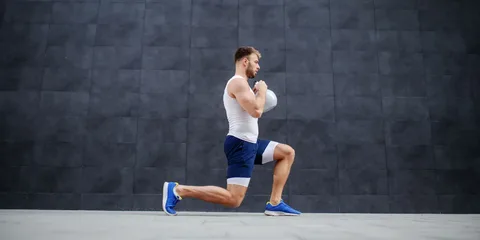
Athletic performance is the product of specific, targeted, and intelligently applied physical preparation. Not all training is equally relevant or equally effective for every sport and athlete. Generic workout programs develop broad physical fitness that often fails to transfer to competitive performance. The body adapts specifically to the demands placed upon it through training. Training that mirrors sport-specific demands produces the most applicable competitive adaptations. Customized workouts account for the unique physiological demands of each specific sport and athlete. They develop the precise physical qualities that most directly drive competitive performance improvement. Understanding how customized workout design improves sports performance helps athletes train more intelligently. It also helps coaches and trainers develop more effective and competition-relevant athlete preparation programs.
The Principle That Makes Customized Workouts More Effective
Specificity is the foundational principle underlying all effective athletic performance training. It establishes that physiological adaptations are specific and directly proportionate to the demands applied. A distance runner who performs only heavy barbell squats will not run faster competitively. The adaptations produced by heavy squatting are not specific enough to running economy. A swimmer who trains only on a rowing machine will not improve their competitive swim times. The movement patterns, energy systems, and muscle recruitment are insufficiently similar. Customized workouts apply this principle by precisely matching training to sport-specific performance demands. Every exercise selection is evaluated for its specific relevance to the athlete's competitive requirements. This specificity makes customized workouts dramatically more time-efficient and results-effective.
Analyzing Sport Demands for Workout Design Precision
Effective customized workout design begins with thorough and systematic sport demand analysis. The dominant energy systems of the target sport are accurately identified and quantified. Primary movement patterns including linear, rotational, or multidirectional movements are catalogued. Key physical qualities ranked by competitive importance are precisely determined through analysis. Required strength-to-weight and power-to-weight characteristics for elite performance are established. Competition duration, work-to-rest ratios, and intensity patterns are objectively documented. Position-specific demands within team sport contexts are also carefully considered. Individual athlete strengths, weaknesses, and physical limitations are assessed alongside sport demands. This comprehensive analysis provides the blueprint from which every workout decision is made. Precision in sport demand analysis directly and proportionately determines program effectiveness.
Physical Quality Development Through Customized Workouts
Each sport requires a specific and unique combination of physical performance qualities. Customized workouts develop each quality in precise proportion to its sport-specific competitive importance. Strength, power, speed, agility, and endurance are all addressed with appropriate emphasis. The balance between these qualities varies dramatically and meaningfully between different sports. A wrestler requires maximal strength and explosive power above aerobic endurance capacity. A middle-distance runner requires a very different balance of physical quality emphasis. Customized workout design honors these differences with precision, scientific grounding, and individualization. The result is an athlete who is physically prepared specifically for what their sport demands.
Explosive Power Training Customized for Sport Needs
Explosive power is a decisive and near-universal physical quality in competitive sport. Jumping, sprinting, throwing, striking, and change-of-direction actions all require high power. The customization of power training depends on the specific power expression each sport requires. Vertical jumping sports require depth jumps, box jumps, and approach jump training. Throwing sports require rotational medicine ball throws and full-body ballistic exercises. Sprinting sports require resisted sprint training and accelerative plyometric progressions. Olympic lifting movements including power cleans develop multi-joint explosive power universally. For athletes seeking this level of precision in their training, sport specific training with a qualified and experienced sport conditioning professional provides individually customized, sport demand-analyzed workout programs that produce measurable and competition-directly-relevant performance improvements. Customized explosive power training produces some of the most dramatic and immediate competitive performance gains observable in athlete preparation.
Speed and Agility Customization for Competitive Advantage
Speed and agility development is highly specific to each sport's directional movement demands. Linear speed is the primary priority for track, swimming, and sprint-based sports. Multidirectional agility is the primary requirement for most team and court sports. Reactive agility — responding to unpredictable competitive cues — is critical in invasion sports. Customized speed training begins with sprint mechanics analysis for each individual athlete. Technique corrections in acceleration and maximum velocity mechanics produce immediate speed improvements. Resisted sprinting develops the specific strength-speed component relevant to the sport's movements. Reactive agility drills simulate the specific decision-making demands of the competitive environment. These highly customized speed and agility components produce directly competition-relevant performance gains.
Energy System Customization for Sustained Competitive Performance
Athletic endurance is highly specific and not a single, generalized physiological quality. The energy system that primarily powers competition varies dramatically between sports. Customized workouts develop precisely the energy systems each sport demands most significantly. A 100-meter sprinter requires phosphocreatine system optimization above all other systems. A soccer midfielder requires repeated sprint ability and high aerobic recovery capacity. A competitive cyclist requires extraordinary aerobic power and lactate threshold optimization. Customized conditioning accurately maps the energy system profile of the target sport. Training is then designed to develop each relevant system in the correct proportion. Athletes emerge from customized conditioning with energy systems perfectly matched to their competitive demands.
Periodization Customization for Peak Competitive Timing
Customized workouts are not designed for a single session but planned across an entire competitive year. Periodization organizes training across distinct phases to ensure competitive peak performance. The off-season builds broad physical foundations and addresses identified weaknesses. Pre-season develops sport-specific fitness and integrates physical qualities with technical skills. In-season training maintains physical capacities while managing competitive fatigue accumulation. Post-season recovery allows full physical and psychological regeneration before the next cycle. Each phase has distinct, carefully customized training volumes, intensities, and exercise selections. Tapering periods before major competitions are specifically designed to produce peak competitive readiness. Customized periodization ensures the athlete's best physical performance is available at the most important moments.
Recovery Customization for Sustained Athletic Adaptation
Recovery management is an often overlooked but critical component of customized athletic training. The recovery demands of different sports and training phases vary significantly. Customized workout programs integrate sport-specific recovery strategies systematically throughout. Sleep optimization is a non-negotiable performance component for all competitive athletes. Active recovery sessions are tailored to the specific nature of the preceding training load. Soft tissue care and mobility work address the specific areas stressed by the target sport. Nutritional recovery strategies are aligned with the training phase's specific demands and volume. Load monitoring tools track accumulated fatigue and guide strategic deload timing. Athletes who receive customized recovery programming adapt faster and sustain fewer overuse injuries.
The Measurable Performance Impact of Customization
The performance improvements from customized workout programs are concrete and consistently measurable. Sport-specific physical tests show dramatic improvements following customized preparation phases. Competitive performance metrics clearly reflect the depth and precision of the preparation provided. Injury incidence decreases as movement quality and structural resilience are simultaneously improved. Athletes report higher training confidence, greater physical readiness, and superior competitive consistency. The competitive advantages gained through customized workouts accumulate and compound across seasons and careers. Every athlete who commits to expert-customized preparation gains a genuine and durable competitive edge.
Customized workouts represent the highest standard of evidence-based athletic performance preparation. They apply sport demand analysis, individualized physical quality development, and strategic periodization to every program design decision. The result is training that is directly and measurably relevant to competitive performance improvement. Athletes who invest in professionally customized workout design consistently achieve greater competitive success and physical longevity. Your athletic potential is best realized through training that is as specific and unique as you are. Commit to customized, professionally guided athletic preparation and experience what precision-designed training genuinely produces.

