How Rehabilitation Helps Adults Move Without Pain
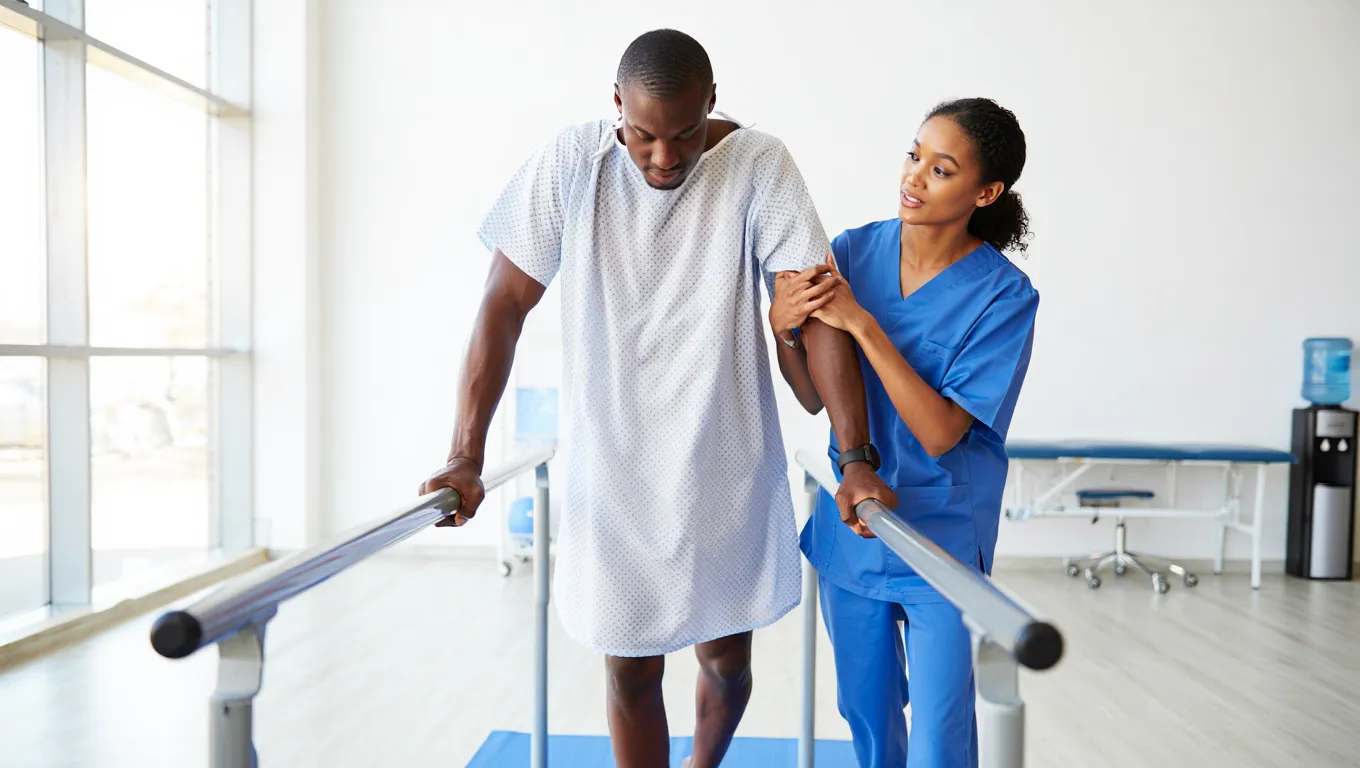
Moving without pain is something many adults desperately want to achieve. Pain during walking, standing, bending, and lifting affects daily quality of life profoundly. It restricts independence, limits social participation, and impacts mental health. Many adults accept pain as inevitable, particularly with age or chronic conditions. This acceptance is rarely necessary or justified with the right support. Rehabilitation offers evidence-based, targeted solutions for adult pain and movement. This article explains how rehabilitation helps adults move more freely and without pain.
Why Adults Experience Pain With Movement
Movement-related pain in adults arises from many different sources. Osteoarthritis causes progressive joint degeneration and painful inflammation. Lower back pain affects the majority of adults at some point in their lives. Tendinopathy causes pain at specific tendons during activity and loading. Bursitis creates localised inflammation around joints during movement. Post-surgical pain and stiffness limit movement after necessary medical procedures. Neurological pain from nerve compression or damage causes radiating discomfort. Muscle imbalances and poor movement habits create chronic tissue overload. Understanding the specific source of pain is essential for effective rehabilitation.
How Rehabilitation Identifies the Source of Pain
Effective rehabilitation begins with thorough professional assessment. Physiotherapists take a detailed history of pain onset, location, and behaviour. Aggravating and relieving factors provide important diagnostic information. Physical examination assesses movement quality, joint range, and muscle strength. Special clinical tests identify specific structures contributing to pain. Postural and gait analysis reveals movement faults perpetuating the problem. This comprehensive assessment ensures treatment is targeted and clinically appropriate. Time invested in accurate assessment is always recovered through more efficient rehabilitation.
Rehabilitation Strategy One — Manual Therapy for Pain Relief
Manual therapy provides immediate and meaningful pain relief for most adults. Joint mobilisation applies rhythmic, controlled pressure to restricted and painful joints. This technique reduces pain through both mechanical and neurophysiological mechanisms. Soft tissue massage targets muscle tension and trigger points contributing to pain. Neural mobilisation addresses nerve tension responsible for radiating pain patterns. Myofascial release reduces fascial restrictions that amplify pain during movement. These hands-on techniques create a window for more active rehabilitation to take effect. Manual therapy and exercise combined consistently produce the best clinical outcomes.
Rehabilitation Strategy Two — Exercise for Long-Term Pain Relief
Exercise is the most powerful and sustainable treatment for movement-related pain. It addresses the underlying physical causes rather than just suppressing symptoms. Strengthening muscles around painful joints reduces the load on sensitive structures. Core strengthening supports the spine and reduces pain during bending and lifting. Hip and glute strengthening reduces knee and lower back pain significantly. Flexibility and mobility work relieves compression and reduces tissue irritation. Aerobic exercise stimulates endorphin release and reduces central pain sensitivity. Adults who exercise consistently as part of rehabilitation experience profound and lasting improvement.
Starting Exercise When Movement Is Painful
Many adults fear that exercise will worsen their pain. This fear leads to avoidance, which perpetuates the pain and deconditioning cycle. Rehabilitation begins with exercises carefully calibrated to each patient's tolerance. Starting loads are low and progressions are gradual and clinically monitored. Patients learn to distinguish between productive therapeutic discomfort and harmful pain. Physiotherapists provide constant guidance and reassurance throughout this process. Adults who persist through initial discomfort consistently achieve significant pain reduction. Exercise-induced pain relief is both neurological and structural in its mechanisms.
Rehabilitation Strategy Three — Pain Neuroscience Education
Understanding pain changes how adults experience and respond to it. Pain neuroscience education is a well-researched component of modern rehabilitation. Adults who understand the science of pain report lower pain levels and function better. They learn that pain does not always indicate ongoing tissue damage. Central sensitisation, fear-avoidance, and pain catastrophising are all addressed. Education reduces the psychological burden that amplifies physical pain experience. Physiotherapists deliver pain education in clear, accessible language throughout rehabilitation. Informed adults engage more effectively with exercise and rehabilitation programmes.
Rehabilitation Strategy Four — Gait and Movement Retraining
Faulty movement patterns sustain and amplify pain in many adults. Poor walking mechanics increase joint loading and perpetuate lower limb pain. Abnormal lifting technique creates chronic lumbar overload and back pain. Shoulder mechanics during overhead reaching affect rotator cuff pain significantly. Physiotherapists assess movement quality and identify specific faults contributing to pain. Targeted exercises and coaching cues help adults adopt safer movement patterns. Gait retraining often produces immediate and noticeable reductions in movement pain. Correcting habitual movement faults provides lasting rather than temporary pain relief.
Accessing Rehabilitation Through a Physiotherapy Clinic
Professional physiotherapy provides the most comprehensive rehabilitation for pain management. An adult physiotherapy clinic offers thorough assessment and personalised treatment programmes. Intensive rehabilitation programmes deliver concentrated treatment for faster pain resolution. Experienced physiotherapists identify contributing factors that less specialised approaches miss. Treatment plans are regularly reviewed and updated to reflect patient progress. Adults who access professional rehabilitation consistently achieve better outcomes than self-managed approaches. The right clinical environment makes a meaningful and lasting difference in pain management results.
The Role of Home Exercise in Sustained Pain Relief
Clinical sessions are the starting point for pain rehabilitation. Home exercise programmes extend the therapeutic benefit every single day. Consistency in home exercises is the strongest predictor of sustained pain relief. Physiotherapists design simple, clear home programmes that fit into daily life. Short daily sessions of ten to twenty minutes maintain the gains made in clinic. Patients who complete home exercises consistently maintain their improvement between sessions. Physiotherapists review and progress home programmes at regular clinic appointments. The partnership between home exercise and clinical treatment produces the most durable outcomes.
Final Thoughts
Rehabilitation offers powerful, evidence-based solutions for adults moving with pain. Manual therapy, exercise, pain education, and movement retraining are the primary tools. Professional physiotherapy ties these strategies together with expert, personalised guidance. Adults who engage with rehabilitation fully and consistently achieve meaningful pain relief. Moving without pain is not an unattainable ideal — it is a realistic rehabilitation goal. Seek professional assessment and commit to the rehabilitation process with confidence. Your body has remarkable capacity to recover with the right support and approach. Pain-free movement is achievable, and rehabilitation is the path to get there.

Categories
Read More
(圖/特斯拉) 特斯拉在前幾天率先公布了 2024 年第三季的生產與交付數據,顯示該公司在第三季恢復了部分增長,但仍未達成年度目標的要求。 根據最新數據,特斯拉在 2024 年 7 月至 9 月期間共生產了 469,796 輛汽車,並交付了 462,890 輛。這一數字符合華爾街分析師對期預期的463,000輛,但未達到實現全年交付目標所需的485,000輛,也距離保持全年增長的585,000輛相去甚遠。 特斯拉第三季的交付量年增長了約 6%,即約 30,000 輛,但這不足以避免全年增長放緩。為達成最初設定的 200 萬輛年度交付目標,特斯拉需要在第四季度實現大幅增長才可達成,這對公司而言將是一次重大挑戰。 (圖/特斯拉) 此外,特斯拉的超產狀況也有所增加。繼前兩季度有約 13,000 輛汽車處於超產狀態後,第三季又增加了約 7,000 輛,使得全年累積超產量達到約...

(圖/ 翻攝自群豐科技) 臺灣半導體產業再度面臨波動。由臺灣光罩集團旗下子公司——群豐科技所主導的封裝業務,於6月24日正式向苗栗地方法院聲請破產,主因為資產無法清償龐大負債,成為近期本土科技產業結構轉型下的又一倒下案例。 (圖/ 翻攝自群豐科技) 群豐科技創立於2006年,專注於Micro SD與NAND Flash封裝業務,於2019年納入臺灣光罩集團體系。然而,受限於技術資源集中、缺乏差異化競爭優勢,加上國際封裝產能競爭加劇,導致營運長期虧損。近年來,記憶體與SSD市場需求大幅下滑,加上通膨與高利率導致消費性電子市場疲軟,使得該公司營收進一步惡化。 (圖/ 翻攝自群豐科技)...

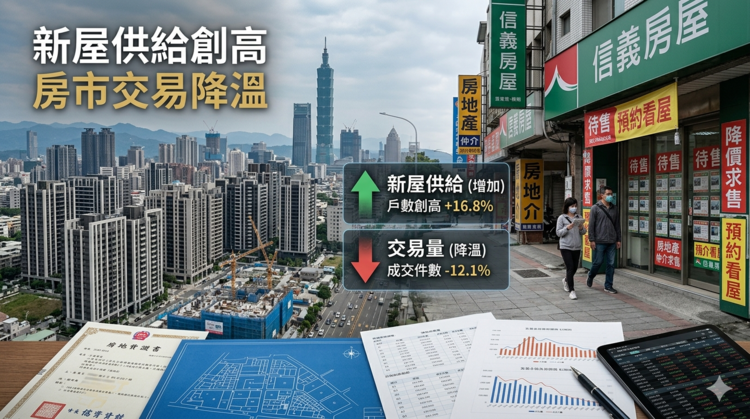
(圖/ MGBOX新聞網 AI圖片) 內政部20日公布最新建物所有權登記統計,114年全國建物所有權第一次登記達17萬6,690棟,較113年增加8.4%,不僅連續第五年成長,更創下近10年來最高紀錄。另一方面,受到中央銀行第7波選擇性信用管制及市場環境變化影響,全年建物買賣移轉登記降至26萬1,308棟,年減25.5%,寫下近9年新低,顯示房市交易熱度明顯降溫。 (圖/ MGBOX新聞網 AI圖片) 根據統計資料,建物所有權第一次登記自109年的11.7萬棟逐步攀升,至114年已突破17.6萬棟,較105年大幅成長44.5%。內政部分析指出,這項數據主要反映近年建築執照核發與住宅開工量增加,相關建案陸續完工交屋後,帶動首次登記數量持續創高。...
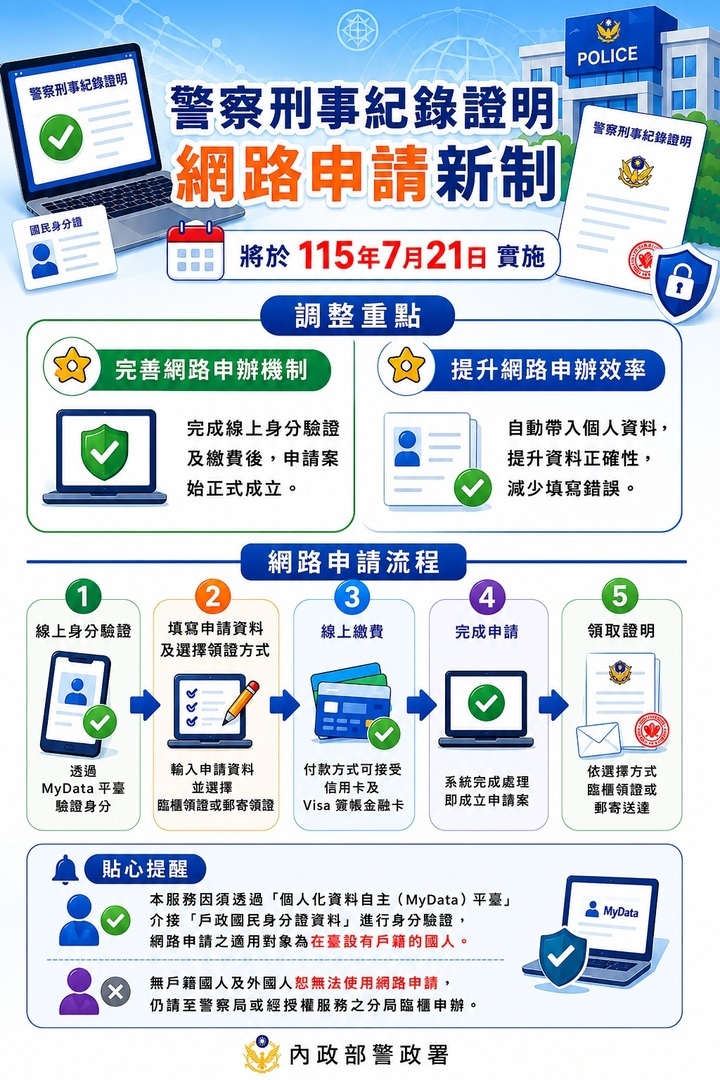
(圖/ 警政署) 警察刑事紀錄證明網路申請新制7月21日上路,統一採MyData驗證及線上繳費,內政部警政署宣布,自115年7月21日起調整警察刑事紀錄證明(俗稱良民證)網路申辦作業機制,建立一致化申請流程,提升行政效率與民眾使用便利性。 依照新制規定,民眾透過網路申請警察刑事紀錄證明時,不論選擇至警察機關臨櫃領件,或採郵寄方式收件,都必須先透過MyData平臺完成線上身分驗證,並使用信用卡或VISA簽帳金融卡繳納相關費用,完成上述程序後,申請案件才會正式受理。 警政署指出,現行網路申請案件中,若選擇臨櫃領件,申請人過去僅需輸入基本資料即可送件,待領證時再進行身分確認及繳費。不過實務上,因資料填寫錯誤導致案件退件或延誤情況時有所聞,影響審查效率。...