Injury Prevention Tips Every Athlete Should Know
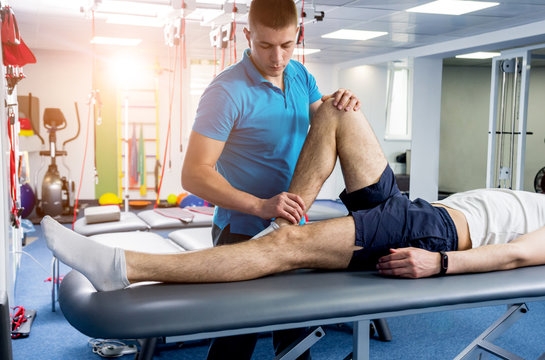
Athletic performance depends on more than training hard and eating well. Injury prevention is one of the most important and undervalued components of athletic success. Every serious injury sets training back significantly and may affect long-term capacity. Proactive prevention strategies protect both short-term performance and long-term athletic careers. Understanding what prevents injuries is just as important as understanding what builds fitness.
Why Athletes Underestimate Injury Risk
Athletes are generally conditioned to push through discomfort and fatigue. This mentality, while valuable for training, creates blind spots around injury warning signs. Pain during activity is too often dismissed as normal training soreness. Reduced range of motion is accepted as stiffness that will eventually resolve. These assumptions allow preventable injuries to develop into serious structural problems.
The desire to maintain training volume and competitive presence also increases risk. Athletes who train through early injury signs allow minor issues to escalate. A tight muscle that limits movement is a sign that needs attention. A joint that clicks painfully is warning of internal mechanical dysfunction. Respecting these early signals is the foundation of intelligent injury prevention.
The True Cost of Preventable Injuries
The cost of preventable injuries is far greater than athletes typically recognize. Time lost from training represents lost fitness adaptations that take months to rebuild. Competition opportunities missed cannot be recovered regardless of future performance. Psychological confidence is also affected by significant injury experiences. Prevention-focused athletes protect all of these investments simultaneously.
Warm-Up and Cool-Down as Prevention Tools
A thorough warm-up is one of the most accessible injury prevention tools. It elevates tissue temperature, which improves muscle elasticity and joint lubrication. Dynamic stretching during warm-up activates the muscles needed for the upcoming activity. Movement-specific preparation reduces the neural and mechanical shock of initial exertion. Athletes who warm up thoroughly experience dramatically fewer acute injuries during training and competition.
Cool-down routines are equally important but frequently neglected by athletes. Gradual reduction of intensity allows the cardiovascular system to normalize safely. Static stretching during cool-down addresses the muscle shortening from sustained activity. This stretching prevents the progressive tightness that increases future injury risk. A consistent cool-down habit creates long-term structural benefits that compound over a career.
Sport-Specific Warm-Up Design
Generic warm-ups do not optimally prepare the body for all sports equally. A sprinter's warm-up should emphasize hip flexor activation and hamstring preparation. A swimmer benefits from thoracic rotation and shoulder mobility work beforehand. A weightlifter needs specific activation of the core stabilizers and posterior chain. Sport-specific warm-up design maximizes protective benefit for each individual athlete.
Addressing Muscle Imbalances Proactively
Muscle imbalances are among the most reliable predictors of sports injury. When one muscle group is significantly stronger or tighter than its opposing group, injury risk rises. The stronger or tighter side pulls joints into dysfunctional positions under load. Repetitive movement in these dysfunctional positions damages joint surfaces and soft tissues. Identifying and correcting imbalances before injury occurs is a cornerstone of prevention.
Functional movement screening identifies imbalances through standardized movement testing. These tests reveal asymmetries in mobility, stability, and movement control. Athletes who score poorly on specific movements are at significantly higher injury risk. Corrective exercise programs address the identified imbalances specifically and progressively. Athletes who complete corrective programs show measurably reduced injury rates in subsequent seasons.
Consulting a qualified sports chiropractor for regular structural assessment is one of the most effective injury prevention investments. They identify spinal and extremity joint dysfunction that increases injury risk. Adjustments correct these dysfunctions before they produce injury under athletic load. Their expertise in sports biomechanics allows them to assess sport-specific risk factors. Prevention-focused athletes who work with sports chiropractors sustain fewer and less severe injuries.
Core Stability as Injury Prevention
Core stability is the foundational protective factor for the spine during athletic activity. The deep stabilizing muscles must activate correctly under all loading conditions. Without adequate core stability, the spine absorbs excessive force during exertion. This excess absorption accelerates disc degeneration and facet joint irritation. A targeted core stability program is one of the highest-value injury prevention investments available.
Recovery Management as Prevention
Injury risk increases substantially when recovery is insufficient between training sessions. Overtraining is a major and preventable cause of both acute and overuse injuries. Accumulated fatigue reduces reaction time and impairs the protective reflexes that prevent acute injury. Chronically fatigued tissues are also more vulnerable to microstructural damage. Managing training load with adequate recovery is fundamental to sustained injury-free performance.
Sleep is the most important recovery tool for injury prevention. Growth hormone secreted during deep sleep repairs microtrauma from training. Neural recovery during sleep restores the motor control that prevents movement errors. Athletes who sleep less than seven to nine hours have significantly higher injury rates. Prioritizing sleep is one of the most evidence-based injury prevention strategies available.
Managing Training Load Intelligently
Training load management is a sophisticated but essential prevention strategy. Rapid increases in volume or intensity are a primary cause of overuse injuries. The ten percent rule suggests limiting weekly training volume increases to ten percent. Monitoring internal load through perceived exertion and heart rate variability provides useful data. Athletes and coaches who monitor load intelligently protect athletes from overuse injury effectively.
Footwear, Equipment, and Surface Considerations
Training environment and equipment play an important but overlooked role in injury prevention. Footwear that does not match foot type and biomechanics increases lower limb injury risk. Worn-out shoes lose their shock-absorbing and supportive properties over time. Running on consistently hard surfaces increases cumulative impact loading significantly. Varying surfaces during training distributes impact stress more broadly across tissues.
Equipment should be properly fitted and appropriate for the athlete's body and sport. Ill-fitting helmets, pads, and braces fail to provide their intended protective benefit. Proper technique with equipment requires coaching attention and consistent reinforcement. Periodic equipment checks prevent protective gear from becoming a false security measure. Small investments in appropriate equipment produce significant injury prevention returns.
Conclusion
Injury prevention is the most important performance strategy an athlete can adopt. Warm-ups, cool-downs, imbalance correction, recovery management, and equipment choices all contribute. Proactive assessment and care from qualified professionals adds another critical layer of protection. Athletes who take prevention seriously enjoy longer, more productive, and more satisfying careers. Apply these injury prevention principles consistently and protect the athletic investment you have made.
