Waste Tyre Recycling Plant Setup in India
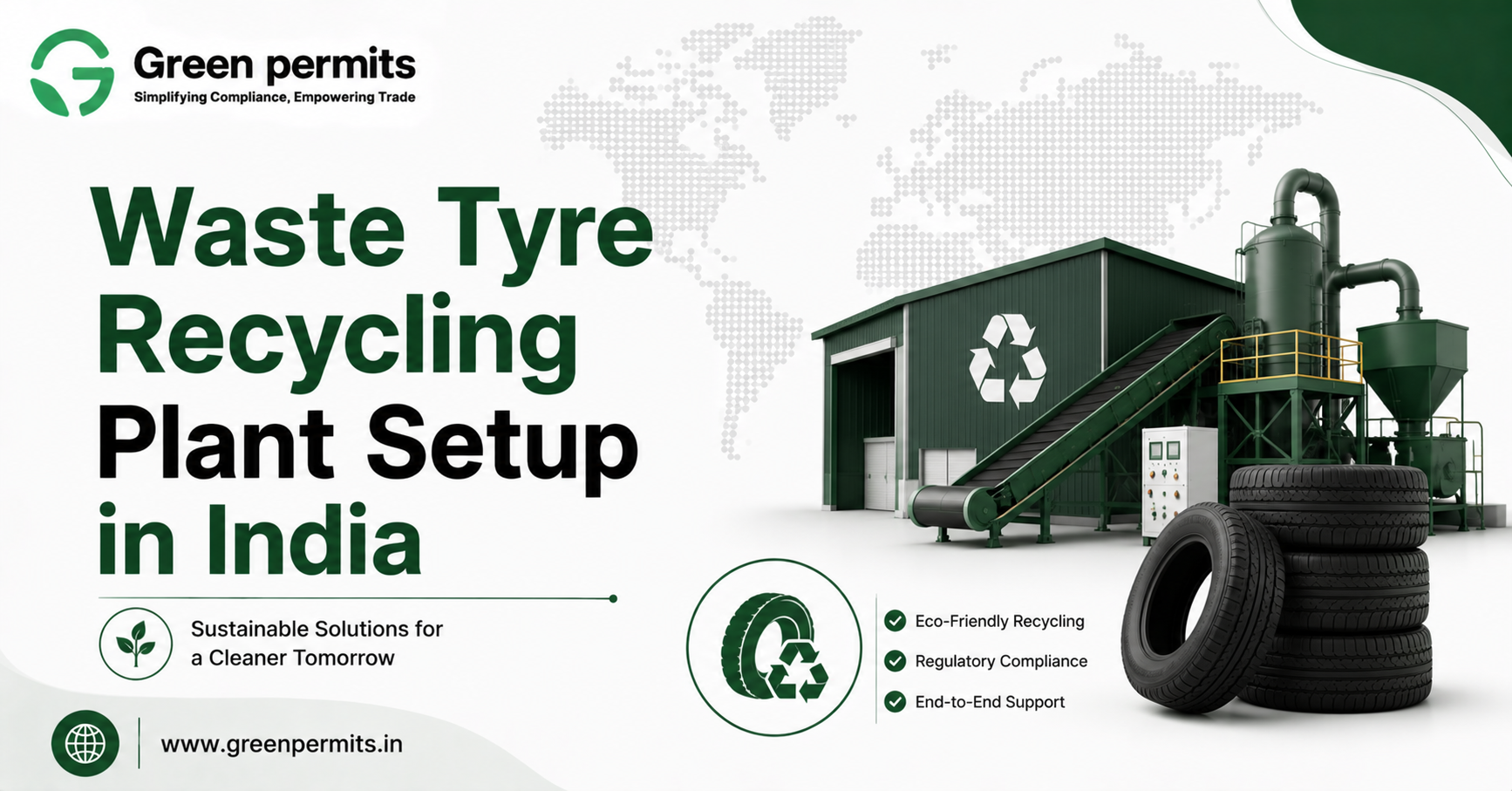
Waste Tyre Recycling Plant Setup in India is a growing business opportunity due to the increasing number of vehicles, tyre consumption, and waste tyre generation across the country. Tyres are used in cars, bikes, buses, trucks, tractors, industrial vehicles, and commercial transport vehicles. After the end of their useful life, tyres become waste tyres and need proper recycling or recovery.
Waste tyres are bulky, non-biodegradable, and difficult to manage through normal waste disposal systems. If they are dumped, burned, or handled informally, they can cause air pollution, fire hazards, mosquito breeding, soil contamination, and environmental damage. Proper tyre recycling helps recover useful materials and supports circular economy practices.
A Waste Tyre Recycling Plant can convert old tyres into useful products such as crumb rubber, rubber granules, recovered steel, tyre-derived fuel, pyrolysis oil, carbon black, and other recyclable outputs depending on the technology used.
Setting up a waste tyre recycling plant in India requires proper planning, land selection, machinery, pollution control approvals, CPCB registration, State Pollution Control Board consent, safety measures, and ongoing compliance.
What is a Waste Tyre Recycling Plant?
A Waste Tyre Recycling Plant is a facility where used tyres are collected, sorted, processed, recycled, or converted into useful recovered materials.
The plant may use different recycling technologies depending on the business model and end product.
Common waste tyre recycling activities include:
- Collection of waste tyres
- Sorting and storage
- Tyre cutting
- Bead wire removal
- Shredding
- Crumb rubber production
- Rubber granule production
- Steel separation
- Pyrolysis processing
- Carbon black recovery
- Tyre-derived fuel production
- Sale of recovered materials
The purpose of the plant is to reduce waste tyre dumping and convert old tyres into commercially useful and environmentally manageable outputs.
Why Waste Tyre Recycling Plant Setup is Important
Waste tyre recycling is important because tyres do not decompose easily and can create environmental and safety problems if not handled properly.
A waste tyre recycling plant helps in:
- Reducing tyre waste dumping
- Preventing open burning of tyres
- Recovering rubber, steel, and oil-based materials
- Supporting circular economy
- Helping producers meet EPR obligations
- Reducing informal waste tyre handling
- Creating formal recycling infrastructure
- Generating employment
- Supporting ESG and sustainability goals
- Creating long-term business opportunities
With the waste tyre EPR framework in India, registered recyclers also play an important role in helping tyre producers fulfil their Extended Producer Responsibility obligations.
Who Can Set Up a Waste Tyre Recycling Plant?
Any eligible business entity can set up a waste tyre recycling plant after obtaining required approvals and registrations.
The following entities may set up a plant:
- Private limited companies
- Limited liability partnerships
- Partnership firms
- Proprietorship firms
- Existing recycling businesses
- Waste management companies
- Rubber product manufacturers
- Tyre processing businesses
- Environmental service providers
- Entrepreneurs entering the recycling sector
Before starting the project, the business should check land suitability, plant capacity, recycling technology, investment requirement, raw material availability, output market, and legal approvals.
Types of Waste Tyre Recycling Plants
Waste tyre recycling plants may differ based on technology and output products.
Common types include:
- Crumb rubber plant
- Rubber granule plant
- Tyre shredding plant
- Tyre pyrolysis plant
- Rubber reclaim plant
- Tyre-derived fuel processing unit
- Steel wire recovery unit
- Integrated tyre recycling plant
Each plant type has different machinery, pollution control, safety, investment, and approval requirements.
Products Recovered from Waste Tyres
Waste tyres can be processed into different useful products.
Common recovered products include:
- Crumb rubber
- Rubber powder
- Rubber granules
- Steel wire
- Textile fibre
- Recovered carbon black
- Pyrolysis oil
- Tyre-derived fuel
- Reclaimed rubber
- Rubber mats and tiles
- Road construction material inputs
The profitability of the plant depends on the quality of recovered material, technology used, processing efficiency, and market demand.
Approvals Required for Waste Tyre Recycling Plant
Setting up a waste tyre recycling plant requires multiple approvals depending on location, process, technology, and capacity.
Common approvals may include:
- Company registration
- GST registration
- Factory licence, if applicable
- Consent to Establish from SPCB
- Consent to Operate from SPCB
- CPCB Waste Tyre EPR recycler registration
- Hazardous waste authorization, where applicable
- Fire NOC, where required
- Building plan approval, where applicable
- Trade licence, where applicable
- Electricity connection approval
- Pollution control compliance approvals
- Local authority approvals, where applicable
The exact approvals depend on state rules, recycling process, plant capacity, and type of output.
CPCB Registration for Waste Tyre Recycler
CPCB registration is one of the most important requirements for a waste tyre recycling plant.
Registered recyclers are recognized under the Waste Tyre EPR system and may participate in portal-based compliance.
CPCB registration helps in:
- Formal recognition as waste tyre recycler
- Portal-based reporting
- Uploading waste tyre procurement data
- Uploading recycling and sales data
- EPR certificate generation, where applicable
- Transfer of EPR certificates to producers
- Compliance tracking
- Maintaining recycling records
- Avoiding informal recycling practices
Without proper registration, a recycler may face difficulty participating in the formal waste tyre EPR system.
Role of Waste Tyre Recycling Plant Setup Consultant
A Waste Tyre Recycling Plant Setup Consultant helps businesses manage project planning, approvals, registration, and compliance.
Consulting support generally includes:
- Project feasibility assessment
- Plant capacity planning
- Technology selection guidance
- Site suitability review
- Approval applicability assessment
- Document checklist preparation
- Consent to Establish filing
- Consent to Operate filing
- CPCB recycler registration support
- Project report preparation
- Pollution control compliance support
- Query response support
- Inspection coordination
- Ongoing return filing and compliance advisory
A consultant helps businesses avoid incorrect filing, unsuitable site selection, missing documents, and approval delays.
Documents Required for Waste Tyre Recycling Plant Setup
Proper documentation is essential for approvals and registration.
Common documents may include:
- Company Incorporation Certificate
- PAN Card
- GST Registration Certificate
- Land ownership or lease agreement
- Site layout plan
- Factory layout plan
- Project report
- Process flow chart
- Machinery details
- Installed capacity details
- Waste tyre input details
- End product details
- Pollution control system details
- Water and power requirement
- Fire safety details
- Storage area details
- Consent to Establish
- Consent to Operate
- Hazardous waste authorization, where applicable
- Authorized signatory documents
- Undertaking or declaration
Additional documents may be required depending on the recycling process, state pollution control board requirements, and CPCB portal requirements.
Machinery Required for Waste Tyre Recycling Plant
The machinery requirement depends on the selected recycling technology and plant capacity.
Common machinery may include:
- Tyre cutting machine
- Bead wire remover
- Tyre shredder
- Rubber crusher
- Granulator
- Crumb rubber machine
- Magnetic separator
- Fibre separator
- Vibrating screen
- Conveyor system
- Dust collection system
- Air pollution control system
- Pyrolysis reactor, where applicable
- Condenser system, where applicable
- Carbon black handling system
- Oil storage system, where applicable
- Fire safety equipment
- Weighing machine
Machinery should be selected after considering waste tyre availability, output product, pollution control requirement, safety risk, and investment capacity.
Waste Tyre Recycling Plant Setup Process
The setup process includes feasibility study, land selection, approval filing, machinery installation, CPCB registration, and operational compliance.
Step 1: Feasibility Study
The first step is preparing a feasibility study for the project.
This includes checking:
- Waste tyre availability
- Plant capacity
- Land requirement
- Machinery requirement
- Technology option
- Investment requirement
- Output product market
- Pollution control requirement
- Approval requirement
- Profitability estimate
A feasibility study helps decide whether the project is technically and commercially viable.
Step 2: Site Selection
The site should be suitable for industrial or recycling activity.
Important points include:
- Industrial land use
- Road access for tyre transport
- Adequate storage space
- Safe distance from sensitive areas
- Availability of electricity
- Fire safety arrangement
- Space for machinery
- Space for pollution control systems
- Waste tyre storage area
- Finished product storage area
Wrong site selection can create approval delays or rejection.
Step 3: Project Report Preparation
A detailed project report is required for approvals and business planning.
The report generally includes:
- Business details
- Plant capacity
- Recycling technology
- Machinery list
- Process description
- Waste tyre input details
- Recovered product details
- Pollution control measures
- Fire safety measures
- Investment details
- Manpower requirement
- Environmental management plan
A proper project report helps authorities understand the proposed activity clearly.
Step 4: Apply for Consent to Establish
Before installing machinery or starting setup, the unit may need Consent to Establish from the State Pollution Control Board.
The application generally includes:
- Unit details
- Site details
- Process information
- Capacity details
- Pollution control proposal
- Air emission details
- Wastewater details, if any
- Solid or hazardous waste details
- Supporting documents
CTE approval allows the unit to proceed with setup as per approved conditions.
Step 5: Install Machinery and Pollution Control Systems
After CTE approval, the business can install machinery and prepare the facility.
This stage may include:
- Machinery installation
- Electrical setup
- Storage area preparation
- Processing area setup
- Fire safety system installation
- Dust control system installation
- Air pollution control equipment installation
- Worker safety arrangements
- Material handling system setup
- Record management system preparation
The plant should be developed as per approved layout and regulatory conditions.
Step 6: Apply for Consent to Operate
After setup is complete, the unit must apply for Consent to Operate before starting commercial operations.
The authority may verify:
- Installed machinery
- Actual process flow
- Pollution control systems
- Waste tyre storage area
- Product storage area
- Fire safety system
- Compliance with CTE conditions
- Site readiness
CTO approval is required before starting regular plant operations.
Step 7: Apply for CPCB Recycler Registration
After obtaining required state approvals, the recycler can apply for registration on the CPCB Waste Tyre EPR Portal.
The application may include:
- Business details
- Facility details
- Recycling process
- Plant capacity
- Consent documents
- Machinery details
- Product output details
- Waste tyre handling details
- Supporting documents
CPCB may review the application and raise queries before granting registration.
Step 8: Start Operations and Maintain Compliance
After approvals and registration, the recycling plant can begin operations.
Ongoing compliance may include:
- Maintaining waste tyre procurement records
- Maintaining recycling records
- Uploading portal data
- Filing returns
- Maintaining end-product sales records
- Managing EPR certificate transactions
- Renewing approvals on time
- Following consent conditions
- Keeping inspection records ready
- Maintaining fire and safety systems
Compliance must be maintained continuously after plant setup.
Cost of Waste Tyre Recycling Plant Setup
The cost of setting up a waste tyre recycling plant depends on many factors.
These include:
- Plant capacity
- Land cost
- Building cost
- Machinery cost
- Recycling technology
- Pollution control system cost
- Fire safety system cost
- Labour and manpower cost
- Approval and registration cost
- Utility setup cost
- Transportation cost
- Consultant professional charges
A small shredding or crumb rubber unit may require lower investment, while an integrated recycling or pyrolysis-based plant may require higher investment.
Timeline for Waste Tyre Recycling Plant Setup
The timeline depends on project size, land readiness, approval processing, machinery installation, and registration review.
The general timeline may include:
- Feasibility study: 3 to 7 working days
- Project report preparation: 5 to 10 working days
- Consent to Establish: depends on SPCB processing
- Machinery procurement: depends on technology
- Machinery installation: depends on plant capacity
- Consent to Operate: depends on inspection and approval
- CPCB recycler registration: depends on document review and query response
Businesses should plan the project early to avoid delay in approvals and operations.
Common Mistakes During Waste Tyre Recycling Plant Setup
Many businesses face delays because of poor planning or incomplete compliance.
Common mistakes include:
- Selecting unsuitable land
- Starting setup without CTE
- Choosing wrong recycling technology
- Not preparing a proper project report
- Not planning pollution control systems
- Ignoring fire safety requirements
- Submitting incomplete documents
- Not applying for CPCB registration
- Starting operations without CTO
- Not maintaining recycling records
Professional guidance helps avoid these mistakes and improves approval efficiency.
Benefits of Setting Up Waste Tyre Recycling Plant
A waste tyre recycling plant provides business, environmental, and compliance benefits.
It helps in:
- Recovering valuable materials
- Supporting tyre EPR compliance
- Reducing tyre dumping
- Creating formal recycling infrastructure
- Reducing informal recycling practices
- Supporting circular economy
- Generating employment
- Improving sustainability performance
- Creating long-term business opportunity
- Supporting responsible waste management
With increasing focus on EPR and recycling, organized waste tyre recycling is becoming an important sector in India.
Why Work with Waste Tyre Recycling Plant Consultant?
Waste tyre recycling plant setup involves technical planning, environmental approvals, pollution control systems, machinery selection, CPCB registration, documentation, and ongoing reporting.
An experienced consultant can assist with:
- Feasibility assessment
- Site suitability review
- Project report preparation
- Approval checklist preparation
- Consent to Establish filing
- Consent to Operate filing
- CPCB recycler registration
- Document preparation
- Query response
- Machinery planning support
- Compliance advisory
- Return filing support
Professional support helps businesses reduce delays and complete the setup process correctly.
Learn More About Waste Tyre Recycling Plant Setup
If you are planning to start a waste tyre recycling business in India, understanding approvals, plant setup requirements, machinery, investment, CPCB registration, and compliance process is essential before starting.
Read the complete guide here:
👉 https://www.greenpermits.in/07/waste-tyre-recycling-plant-setup-in-india/
📞 Get Expert Assistance for Waste Tyre Recycling Plant Setup
If you need help with Waste Tyre Recycling Plant Setup or related CPCB compliance, Green Permits Consulting can guide you efficiently.
🌐 Website: https://www.greenpermits.in/
📞 Phone: +91 78350 06182
📧 Email: wecare@greenpermits.in
閱讀更多
(圖/ 翻攝自YouTube udn vedio) 行政院長卓榮泰出席調查局中和調查園區新建辦公大樓揭牌典禮,象徵我國司法調查體系重要基礎建設正式邁入新階段。這座歷時11年規劃興建、總經費超過14億元的調查園區,不僅是調查局成立以來規模最大的建設工程,也被視為未來強化科技辦案、打擊毒品犯罪與維護國家安全的重要據點。 此次揭牌活動由行政院長卓榮泰、法務部長鄭銘謙、調查局長陳白立共同主持,並邀集檢察、軍方、海巡及多位立法委員出席見證。揭牌當天,北部地區機動工作站同步公布偵破近年最大宗海洛因與K他命漁船走私案件,為新園區啟用增添象徵意義,也凸顯毒品犯罪仍是當前治安工作的重大挑戰。...
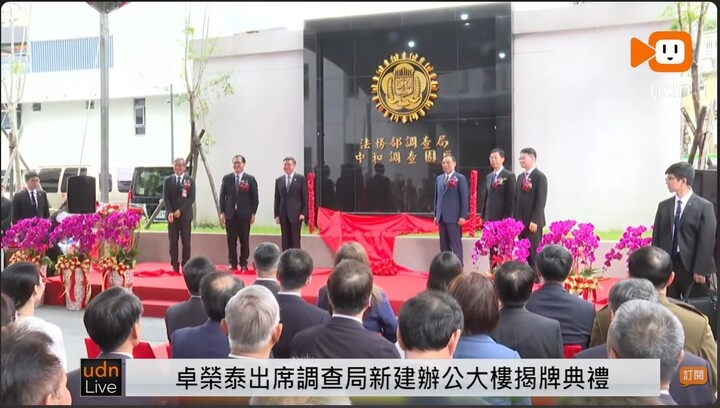
(圖/ 高雄市政府都市發展局) 2025臺北國際電腦展(COMPUTEX 2025)今(20)日登場,NVIDIA執行長黃仁勳於開幕前專題演說中,多次提及高雄,直言「高雄是數位孿生城市」,並高度肯定市府推動AI應用與城市治理的成果,引發產業與地方政府關注。 繕僾生物科技有限公司 (圖/ NVIDIA) 黃仁勳指出,高雄已建構出數十萬棟建築、上百萬公里道路的數位孿生模型,並與Linker Vision合作導入AI模擬系統,提升災害應變效率與城市韌性。他在簡報與影片中展現高雄實際應用案例,說明該市如何以AI影像語言模型強化治理機制。 (圖/ 高雄市政府都市發展局) 對此,高雄市長陳其邁表示,市府自113年起即積極規劃成為數位孿生城市,並推動「智慧高雄燈塔計畫」,目前已成為全球最大戶外應用的影像語言模型(VLM)實驗場域。該計畫結合NVIDIA、Linker...