Assessing Retail vs. Professional Account Conditions in CFD Trading
Setting up your profile with a contract for difference (CFD) provider usually presents you with a major choice right at the registration screen. Regulatory changes over the last few years have split the trading landscape cleanly into retail and professional account tiers, each featuring vastly different operational conditions. Navigating this structural divide properly ensures you select an environment that matches your personal experience level while protecting your capital from unnecessary risk.
Why did regulators create two completely separate account tiers?
The split was introduced primarily as a protective buffer for everyday investors. Financial watchdogs realized that high-leverage products were wiping out novice accounts at an alarming rate, mostly because beginners did not understand how quickly margin mechanics can turn against them.
By separating the user base, authorities created a safe, highly restricted playground for general retail participants. The professional tier was left open for seasoned operators who possess the massive capital depth and deep technical knowledge required to navigate high-risk setups safely. Selecting a premium best cfd broker framework means you will find these distinct choices laid out transparently during the onboarding process. They ensure your dashboard boundaries align perfectly with your actual, real-world skill level.
What is the biggest difference in trading conditions between the two models?
The absolute most notable variation sits within your available borrowing power, commonly known as leverage. Think of leverage like borrowing temporary purchasing power from your provider to control large positions with a tiny bit of upfront margin as collateral. It functions like a financial amplifier.
Under strict retail conditions, regulators cap this amplifier dramatically, often limiting major currency pairs to a ratio of 1:30. Professional accounts completely remove these legal seatbelts, allowing seasoned traders to access massive leverage ratios up to 1:500 or more. If you want to dive deeper into how this impacts your equity buffer, reading a comprehensive guide on what is leverage trading will show you how massive exposure can be a double-edged sword. It can magnify your financial swings immensely if position sizing isn't controlled with military discipline.
Do retail traders get better safety nets than professionals?
Yes, retail clients receive the highest level of regulatory protection available in the financial arena. The most critical shield you get is mandatory negative balance protection. This systemic guarantee ensures that if a massive, unpredicted global news event causes chart lines to gap violently past your stop-loss points, your account balance cannot drop below zero.
The broker legally absorbs any extra deficit. Professional accounts, conversely, do not always receive this automated safeguard by default. If a professional's massive, high-leverage position runs into a catastrophic market anomaly, they can theoretically end up legally indebted to the firm for thousands of dollars. It turns the professional tier into a serious business zone where a single structural mistake can have real-world collection consequences.
How do daily transaction fees and spreads compare across these tiers?
Every live position you execute carries a minor operational charge built directly into the pricing quotes, known as the spread. Think of the spread like a small service fee or gate tariff you pay to cross a toll bridge into the market.
Retail accounts usually feature slightly wider spreads because the broker has to bundle intensive regulatory compliance costs and retail insurance protections directly into the day-to-day transaction loop. Professional account layouts often grant you direct access to raw institutional liquidity channels, dropping spreads to fraction-of-a-pip levels. These razor-thin costs are highly beneficial for high-volume scalpers, though they are frequently paired with a flat, transparent commission fee per lot traded.
What strict criteria must I meet to qualify for a professional account?
You cannot simply check a box on your screen to instantly become a professional trader; watchdogs mandate a rigorous compliance audit before a broker can upgrade your status. You usually need to satisfy at least two out of three strict legal benchmarks.
First, your investment portfolio, including cash deposits and financial instruments, must typically exceed a threshold of $500,000. Second, you must have executed a significant volume of large positions over the previous four quarters. Finally, you need a proven professional background working within the financial sector in a position that requires deep knowledge of derivative trading. These hurdles guarantee that only highly experienced capital managers can bypass standard retail consumer protections.
Summary
Assessing retail versus professional account conditions requires weighing the temptation of massive leverage against the comfort of robust consumer safety nets. Stick to a retail profile if you are still refining your strategy rules, as features like negative balance protection and conservative margin caps are vital for keeping you in the game during your learning years. If you possess the massive capital reserves and professional background required to upgrade, ensure your risk management parameters scale up right alongside your expanded leverage. By matching your structural account tier with your true operational experience, you remove unnecessary hazards and secure a stable foundation for long-term compounding.
Categories
Read More
(圖/ 維基百科) 南榮科技大學校地再啟新頁。因應少子化衝擊,該校自2020年(109年)停辦後,校地閒置多年。臺南市政府2日表示,南榮學校財團法人已獲准於原校址籌設「玉秀雙語國民小學」,都市計畫分區變更案亦經中央核定,預計打造涵蓋國小、國中至高中的一貫制雙語教育園區。 市府都發局指出,變更範圍位於「鹽水都市計畫」東北側,朝琴路南側、都市計畫界線西側,總面積約2.4106公頃,原為南榮科技大學及南榮工專校地,已於2025年5月28日完成分區變更為「文教區」,作為玉秀雙語學校用地,未來可配合增設中學部門。 臺南市私立胖嘟嘟托嬰中心 (圖/ 臺南市政府都市發展局)...

(圖/ 新北市政府) 淡水交通建設再傳捷報!內政部都市計畫委員會於10月28日審議通過「變更淡水都市計畫(配合淡海輕軌運輸系統第二期路網)」案,淡海輕軌二期將從捷運淡水站一路延伸至漁人碼頭站,為淡水地區的交通與觀光注入全新動能。新北市政府後續將依決議內容辦理再公開展覽與說明會,續行都市計畫報核程序。 (圖/ 新北市政府) 新北市政府表示,淡海輕軌以打造綠色、低碳、便利的運輸系統為核心,通車以來已成為淡海新市鎮居民通勤與休閒的重要命脈。隨著新市鎮人口快速成長、生活圈擴大,現有路網逐漸飽和,為滿足交通需求與地方民意,市府積極推動第二期延伸計畫。...

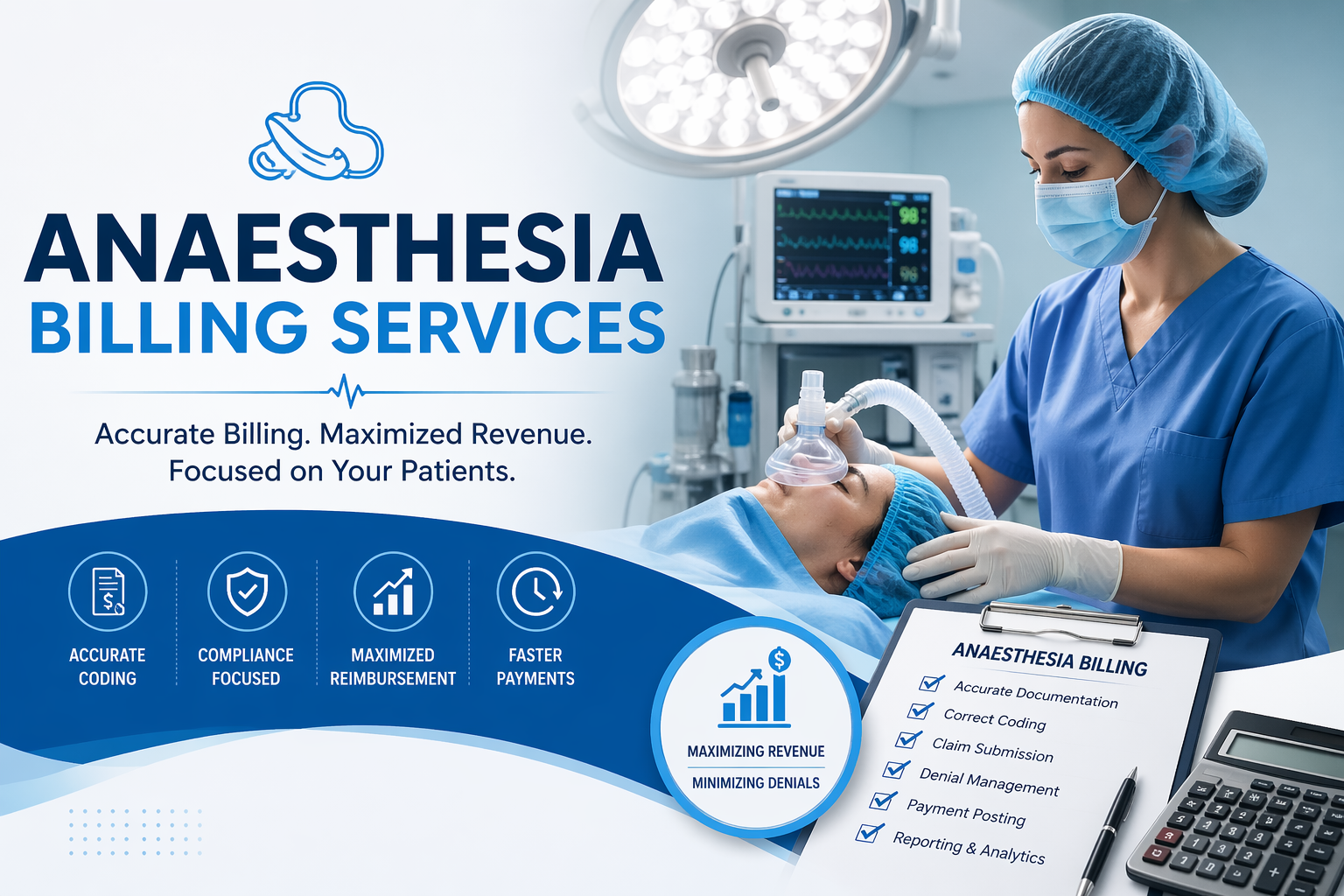
Introduction Anesthesia billing and coding services are among the most complex areas in the entire medical revenue cycle management (RCM) ecosystem. Unlike standard fee-for-service specialties, anesthesia reimbursement depends on a multi-variable system that includes base units, time units, modifier usage, and strict payer-specific rules. Even a small documentation error can lead to...
(圖/ 數位發展部) 在全球人工智慧(AI)加速發展之際,數位發展部今(24)日宣布「臺灣主權AI訓練語料庫」正式上線,整合高品質正體中文語料,支援AI模型訓練更貼近臺灣的語言使用、文化內涵與生活情境,提升模型對本土語意的理解與辨識能力,回應我國社會與產業發展需求。 數位發展部指出,目前已有超過200個政府機關參與語料建置與釋出,上架逾2,000筆資料集、總量超過6億tokens,內容涵蓋語言、文化、教育、生物、地理環境等多元領域,並納入具臺灣文化特色的高品質資料,作為AI模型理解臺灣社會的重要訓練素材。 MGBOX (圖/ 數位發展部)...