The Art of the Big Squeeze: Finding Zen and Chaos in the Watermelon Puzzle Craze
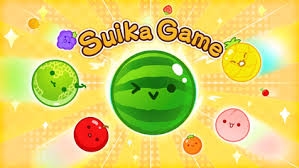
There is a peculiar kind of magic in watching two small cherries collide and transform into a slightly larger strawberry. It sounds simple, perhaps even trivial, but if you have spent any time on the internet lately, you know that this simple mechanic has captured the hearts—and the late-night hours—of millions. At the center of this "fruit-stacking" phenomenon is a delightful little experience called Suika Game, a puzzle that proves you don’t need high-definition graphics or complex narratives to create a masterpiece of digital entertainment.
Whether you are looking for a way to decompress after work or a new challenge to test your spatial awareness, the watermelon puzzle genre offers a unique blend of relaxation and high-stakes tension. It is a game about physics, planning, and occasionally, the sheer frustration of a grape being in the wrong place at the wrong time.
The Core Mechanics: Gravity and Growth
At its heart, the gameplay of a watermelon puzzle is a clever hybrid of Tetris and 2048. You are presented with a transparent container and a variety of fruits that appear at the top, ready to be dropped. The objective is deceptively straightforward: merge two identical fruits to create the next size up in the evolution chain. You start with tiny cherries, which merge into strawberries, then grapes, dekopons, persimmons, apples, pears, peaches, pineapples, melons, and finally, the elusive, massive watermelon.
Unlike Tetris, where pieces lock into a rigid grid, these fruits are subject to the laws of physics. They are round, they roll, and they bounce. This introduces a layer of unpredictability that makes every session different. When you drop a heavy pineapple onto a pile of smaller fruits, the pressure can cause the little ones to squish out of the way or pop upward. If any fruit crosses the top line of the container, it’s game over. The challenge lies in managing the limited space as your fruits grow larger and more cumbersome.
Strategies for the Aspiring Fruit Farmer
While it is easy to just drop fruits randomly and enjoy the colors, reaching the coveted watermelon stage requires a bit of tactical thinking. Here are a few tips to help you keep your container organized and your score climbing:
1. The Big-to-Small Hierarchy A common mistake for beginners is to let large fruits sit on top of smaller ones. This creates "air pockets" or "dead zones" where tiny fruits like cherries or strawberries get trapped at the bottom, unable to reach their twins. Try to keep your largest fruits—like pineapples and melons—on one side or at the very bottom. Think of it like building a foundation; you want the heavy stuff at the base and the lighter, more mobile fruits on top where they can easily find a match.
2. Master the Roll Because the fruits are circular, you can use gravity to your advantage. If you have a strawberry on the far left and another strawberry in the middle, you don’t necessarily have to drop the second one directly onto the first. You can drop it slightly to the side so it rolls toward its partner. Learning the "trajectory of the roll" is essential for navigating a crowded container where a direct vertical drop isn't possible.
3. Don’t Panic at the Top When your fruits start approaching the "Game Over" line, the natural instinct is to move as fast as possible to clear space. This usually leads to disaster. Take a breath. Look for chain reactions. Sometimes, dropping a single cherry in exactly the right spot can trigger a sequence of merges that causes a massive melon to form, which then sinks to the bottom, instantly clearing half of your screen. Patience is often more valuable than speed.
4. Beware the "Pop" When two fruits merge, the resulting larger fruit appears at the midpoint between the two originals. This "pop" generates a small amount of kinetic energy. If you are close to the top line, that tiny bit of upward movement can push a neighboring fruit over the edge. Always give yourself a little bit of a safety buffer when working near the ceiling of the box.
Why We Can't Put It Down
What makes Suika Game and its various iterations so compelling is the "just one more round" factor. It occupies a perfect middle ground in the gaming world. It is "low-stakes" enough that you can play it while listening to a podcast or sitting in a waiting room, yet it offers "high-reward" moments of satisfaction when a complex chain reaction finally pays off.
There is also something deeply satisfying about the visual progression. The bright, cheerful colors of the fruit and the bouncy animations provide a sensory delight that offsets the mounting pressure of the shrinking space. It’s a game of "organic organization"—an attempt to bring order to a pile of rolling, shifting spheres.
Final Thoughts
Whether you reach the watermelon or get defeated by a rogue orange, the experience is ultimately about the journey. It’s a reminder that some of the best digital experiences are built on simple foundations: good physics, clear goals, and a touch of whimsy. If you haven't yet dove into the world of fruit stacking, give it a try. It might start as a simple way to kill five minutes, but don't be surprised if you look up and realize an hour has passed, and your only goal in life is to see two melons finally become one. Happy stacking!
