India Road Freight Transport Market Growth Revenue, Trends, Growth Factors, Region Analysis & Forecast
India’s road freight transport sector stands as the lifeline of the nation’s logistics network, facilitating the movement of goods across its vast geography and supporting industrial, agricultural, and retail activities. Accounting for nearly 60–65% of total freight movement in the country, the road transport sector plays a crucial role in connecting producers, consumers, and markets across urban and rural landscapes.
The Indian road freight market has witnessed rapid growth, driven by rising industrial output, expansion of e-commerce, and government initiatives aimed at infrastructure modernization. The Bharatmala Pariyojana, for instance, aims to develop over 34,000 kilometers of highways to improve connectivity and reduce logistics costs. Similarly, the implementation of the Goods and Services Tax (GST) has eliminated many interstate barriers, allowing for smoother and faster freight movement across regions.
Trucks dominate India’s freight transportation landscape, with over 8 million trucks operating nationwide. Small fleet operators, often owning fewer than five trucks, constitute a large portion of the market, highlighting its fragmented nature. This fragmentation, while offering flexibility, also leads to challenges such as inconsistent service quality, inefficient route planning, and price volatility. Nevertheless, the sector is gradually consolidating as digital logistics platforms, telematics, and fleet management technologies are improving transparency and efficiency.
A significant transformation is underway as logistics companies increasingly adopt digital freight matching, GPS tracking, and route optimization tools. Startups like BlackBuck, Rivigo, and Delhivery have revolutionized the trucking ecosystem by integrating data analytics, automation, and real-time tracking into freight operations. These innovations are reducing idle times, optimizing loads, and ensuring timely deliveries—critical in a competitive and time-sensitive supply chain environment.
However, the sector continues to face structural challenges. Poor road infrastructure in certain regions, shortage of skilled drivers, fluctuating fuel prices, and regulatory hurdles affect profitability and efficiency. Moreover, the high dependence on diesel-powered vehicles raises environmental concerns, prompting discussions around greener alternatives such as electric trucks and LNG-based vehicles. The government’s focus on sustainable transport and policies promoting alternate fuels, scrappage of old vehicles, and adoption of EVs are expected to gradually reshape the sector’s future.
Looking ahead, India’s road freight transport is poised for modernization and consolidation. With continued policy support, technological integration, and infrastructure expansion, the sector will evolve into a more organized, efficient, and sustainable system. As India’s economy continues to grow, the road freight transport industry will remain the vital artery powering commerce and connectivity across the subcontinent.

閱讀更多
One of the most interesting things you can farm in RuneScape could be Rune Essence. It is the most basic kind of Runes available in the game, and allows players with OSRS Accounts to make use of Runecrafting to make simple Runes to cast a large portion of Magic spells. Due to the massive need of Runes for casting spells, Runes are among the most frequently traded items between players. When...

Wi-Fi Chipset Market Analysis: Trends, Growth, and Future Outlook (2025–2035) 1. Introduction The Wi-Fi chipset market has emerged as one of the most dynamic and transformative segments within the global semiconductor and wireless communication landscape. As connectivity becomes an essential component of modern life, Wi-Fi technology has evolved from being a household...

Buy Verified PayPal Accounts In today's digital landscape, having a reliable payment method is crucial for both individuals and businesses. PayPal has emerged as one of the leading online payment platforms worldwide. With its user-friendly interface and robust security features, it simplifies transactions across borders. But what happens when you want to unlock the full potential of your PayPal...

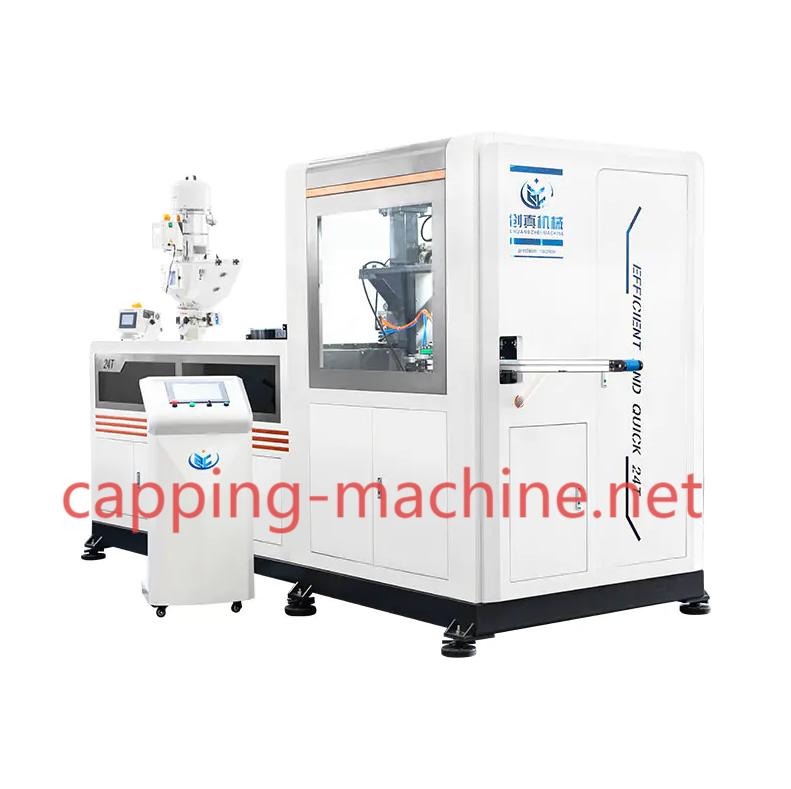
As manufacturers face growing pressure to increase productivity while reducing costs, innovative machinery becomes essential. The Cap Compression Molding Machine from Taizhou Chuangzhen Machinery Manufacturing addresses these challenges by combining precision molding with energy-efficient operation. It ensures the production of high-quality caps across various materials and sizes, meeting...