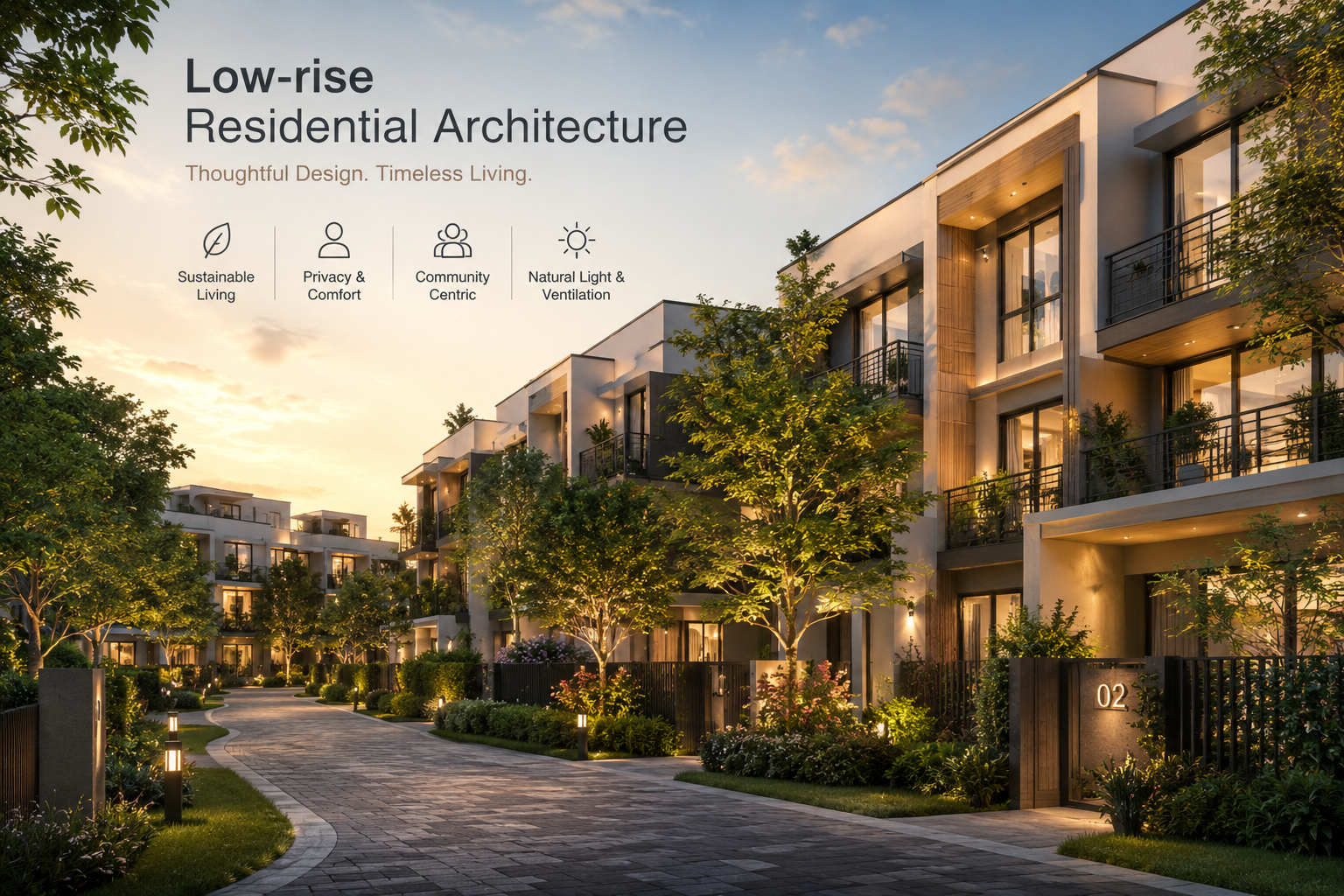

Institutional Architecture plays an important role in shaping educational institutions, healthcare facilities, government buildings, research centers, libraries, and public service spaces. Unlike residential or commercial projects, institutional buildings must serve large numbers of people while maintaining functionality, safety, accessibility, and long-term durability. These spaces are designed to support learning, innovation, collaboration, and community development.
However, designing institutional buildings is rarely straightforward. Architects must balance user needs, regulatory requirements, sustainability goals, technology integration, and limited budgets while ensuring that every space remains adaptable for future growth. A successful project requires thoughtful planning, coordination, and creative problem-solving.
This blog explores the most common challenges in Institutional Architecture and practical ways to overcome them for successful project delivery.
The Complexity of Institutional Architecture
Institutional buildings are designed for public use and often accommodate thousands of users every day. Schools, universities, hospitals, libraries, research laboratories, museums, and government offices each have unique operational requirements that influence their architectural design.
Unlike private buildings, institutional projects require long-term planning because they are expected to remain functional for several decades. Architects must consider flexibility, maintenance, future expansion, accessibility, and technological advancements from the beginning of the design process.
Budget Constraints
One of the biggest challenges in Institutional Architecture is working within limited budgets. Educational institutions and public organizations often have fixed funding, making cost control essential throughout the project.
Cost-saving measures should never compromise quality or user experience.
How to Overcome It
Prioritize essential building functions
Focus investment on high-use spaces and critical infrastructure.
Select durable materials
Long-lasting materials reduce maintenance and replacement costs over time.
Design efficiently
Optimizing layouts minimizes unnecessary construction expenses while improving functionality.
Meeting Regulatory Requirements
Institutional buildings must comply with numerous building codes, fire safety standards, environmental regulations, and accessibility guidelines. Regulations may also vary depending on location and building type.
Failure to comply can result in delays, increased costs, or redesigns.
How to Overcome It
Involve compliance experts early
Collaborating with consultants ensures regulations are considered during planning.
Regular design reviews
Frequent reviews help identify compliance issues before construction begins.
Stay updated
Architects should remain informed about changing building regulations and safety standards.
Designing for Future Growth
Institutions often expand as populations grow and services evolve. Buildings designed only for current needs may become outdated quickly.
Future-ready planning is essential in Institutional Architecture.
How to Overcome It
Flexible layouts
Create adaptable floor plans that allow future modifications.
Modular construction
Modular systems simplify expansion without disrupting existing operations.
Reserved expansion zones
Planning additional building space from the beginning supports long-term development.
Balancing Functionality and Aesthetics
Institutional buildings should be attractive while remaining highly functional. Beautiful architecture should never interfere with daily operations.
A successful design balances visual appeal with user comfort and efficiency.
How to Overcome It
User-focused planning
Design spaces based on how students, staff, patients, and visitors actually use them.
Smart circulation
Clear movement paths improve accessibility and reduce congestion.
Durable finishes
Choose materials that maintain appearance despite heavy daily use.
Sustainability Challenges
Environmental responsibility has become a major priority in Institutional Architecture. Institutions aim to reduce operating costs while lowering environmental impact.
Sustainable design requires thoughtful planning rather than simply adding green features.
How to Overcome It
Energy-efficient systems
Use high-performance HVAC systems, LED lighting, and energy management technologies.
Natural daylight
Maximize daylight to reduce electricity consumption while improving occupant well-being.
Water conservation
Rainwater harvesting and efficient plumbing systems lower water usage.
Sustainable materials
Select environmentally responsible materials with long service life.
Technology Integration
Modern institutions depend heavily on technology for communication, learning, research, healthcare, and administration.
Technology requirements continue evolving rapidly.
How to Overcome It
Flexible infrastructure
Install scalable electrical and networking systems.
Smart building systems
Automated lighting, climate control, and security improve operational efficiency.
Future-ready planning
Design spaces that can accommodate emerging technologies without major renovations.
Accessibility for Everyone
Institutional buildings must be accessible to people of all abilities.
Accessibility extends beyond ramps and elevators. It includes circulation, navigation, signage, furniture, lighting, and user comfort.
How to Overcome It
Universal Design principles
Design spaces that work for everyone, regardless of age or ability.
Clear navigation
Simple wayfinding improves user experience.
Inclusive facilities
Accessible entrances, washrooms, classrooms, and gathering spaces ensure equal access.
Managing Multiple Stakeholders
Institutional projects involve administrators, government agencies, engineers, contractors, faculty members, healthcare professionals, and community representatives.
Each group has different expectations.
How to Overcome It
Collaborative planning
Engage stakeholders throughout the design process.
Transparent communication
Regular meetings reduce misunderstandings.
Digital collaboration tools
Building Information Modeling (BIM) improves coordination across teams.
Construction Delays
Large institutional projects often face delays caused by weather, labor shortages, material availability, or design changes.
Delays increase project costs and affect project timelines.
How to Overcome It
Detailed project scheduling
Realistic planning helps minimize unexpected delays.
Early procurement
Ordering critical materials early reduces supply chain risks.
Continuous monitoring
Regular site inspections help identify problems before they escalate.
Creating Healthy Learning and Working Environments
Today's institutions prioritize occupant well-being.
Architecture influences productivity, concentration, recovery, and collaboration.
How to Overcome It
Natural ventilation
Improve indoor air quality with effective ventilation systems.
Acoustic comfort
Reduce noise through proper material selection.
Biophilic design
Introduce greenery and natural elements to enhance well-being.
Comfortable interiors
Provide ergonomic furniture and flexible workspaces.
The Future of Institutional Architecture
The future of Institutional Architecture focuses on sustainability, digital innovation, resilience, and user-centered design. Smart technologies, energy-efficient systems, adaptable layouts, and wellness-focused environments will continue shaping educational, healthcare, and public institutions.
Architects who embrace innovation while understanding community needs will create buildings that remain valuable for decades.
Frequently Asked Questions
1. What is Institutional Architecture?
Answer: Institutional Architecture focuses on designing schools, hospitals, government buildings, universities, libraries, and other public facilities for long-term use.
2. Why is Institutional Architecture important?
Answer: It creates safe, functional, and efficient spaces that improve education, healthcare, public services, and community experiences for future generations.
3. What are the biggest challenges in Institutional Architecture?
Answer: Budget limits, regulations, sustainability, accessibility, technology integration, stakeholder coordination, and future expansion are major challenges.
4. How can sustainability improve institutional buildings?
Answer: Sustainable design lowers energy costs, reduces environmental impact, improves indoor comfort, and increases long-term building performance.
5. Why is flexibility important in Institutional Architecture?
Answer: Flexible designs allow institutions to adapt to changing technology, growing populations, and evolving operational needs without major renovations.
Conclusion
Every institutional project presents unique challenges, from budgeting and compliance to sustainability and future expansion. Successfully addressing these challenges requires strategic planning, collaboration, technical expertise, and thoughtful design. At Studio Rivet, we specialize in creating innovative Institutional Architecture solutions that balance functionality, sustainability, and timeless design. Our team works closely with clients to develop future-ready institutional spaces that support learning, healthcare, research, and community growth while meeting the highest architectural standards.