BIS FMCS Certificate: A Complete Guide for Foreign Manufacturers
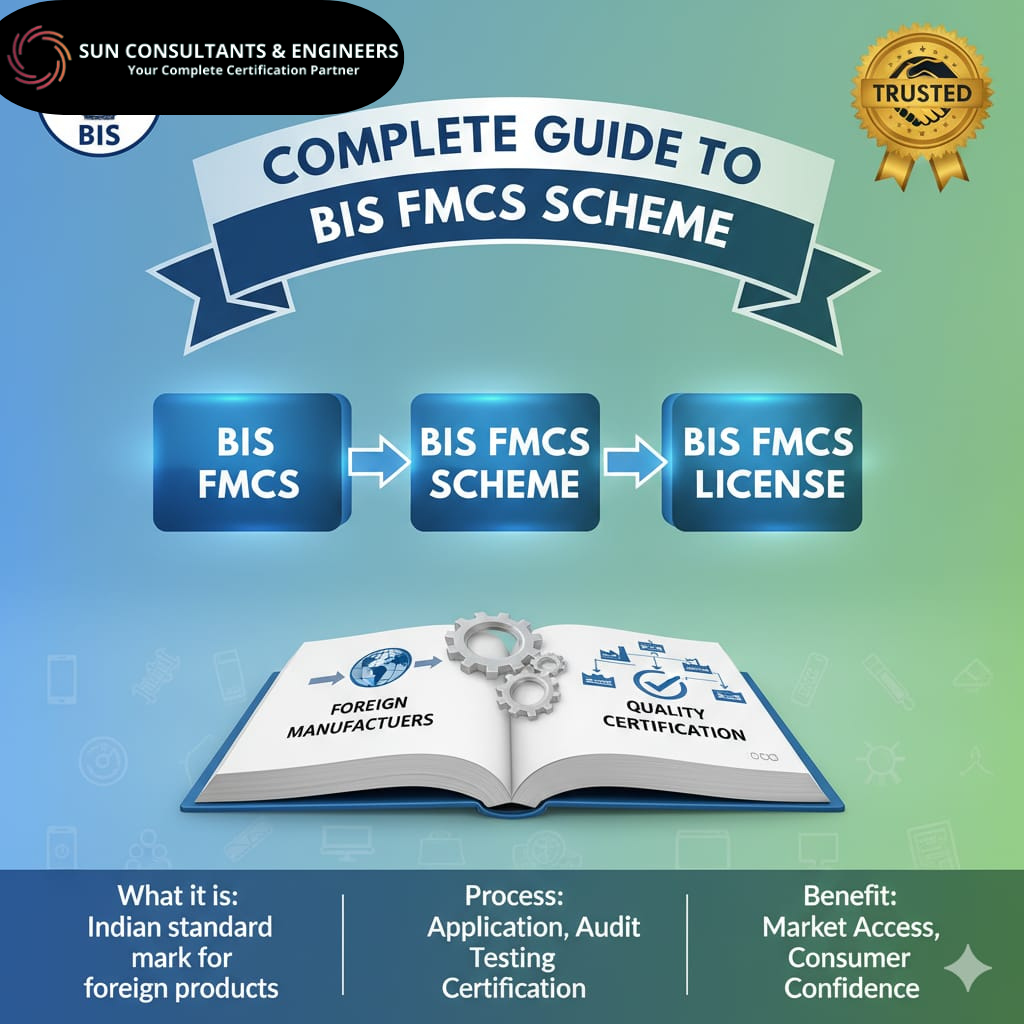
Introduction
Expanding your business into the Indian market requires compliance with several regulatory requirements. One of the most important certifications for overseas manufacturers is the BIS FMCS Certificate. Products covered under mandatory BIS standards cannot be imported or sold in India without obtaining the required approval. This certification assures Indian consumers that imported products meet the prescribed quality and safety standards. If you are a foreign manufacturer planning to export products to India, understanding the BIS FMCS Certification process is essential. This guide explains the eligibility, benefits, application process, required documents, and important compliance requirements for obtaining a BIS License for Foreign Manufacturer.
What is a BIS FMCS Certificate?
A BIS FMCS Certificate is issued under the Foreign Manufacturers Certification Scheme (FMCS) by the Bureau of Indian Standards (BIS). The scheme allows overseas manufacturers to obtain permission to use the Standard Mark on products that comply with applicable Indian Standards. The certificate confirms that products manufactured outside India meet Indian quality, safety, and performance requirements before they are imported and sold in the Indian market.
What is BIS FMCS Certification?
BIS FMCS Certification is the certification process specifically designed for foreign manufacturing units. Unlike domestic manufacturers, overseas companies must follow additional procedures, including factory inspections conducted by BIS officials. The certification process ensures that the manufacturing facility has adequate infrastructure, quality control systems, testing facilities, and production processes to consistently manufacture products according to Indian Standards.
Why is a BIS License for Foreign Manufacturer Important?
Obtaining a BIS License for Foreign Manufacturer offers several advantages:
-
Enables legal import and sale of regulated products in India.
-
Builds customer confidence through recognized quality standards.
-
Demonstrates compliance with Indian government regulations.
-
Improves brand reputation in the Indian market.
-
Prevents delays in customs clearance.
-
Reduces the risk of penalties for non-compliance.
-
Supports long-term business expansion in India.
For products under mandatory certification, this license is a legal requirement rather than an optional quality certification.
Products Covered Under FMCS
The FMCS scheme covers numerous product categories that require mandatory certification before being imported into India. These may include:
-
Electrical appliances
-
Steel products
-
Cement
-
Chemicals
-
Household products
-
Automotive components
-
Industrial equipment
-
Consumer goods
Manufacturers should verify whether their products fall under mandatory BIS certification before exporting to India.
Eligibility for BIS Certificate for Foreign Manufacturer
To obtain a BIS Certificate for Foreign Manufacturer, applicants must satisfy certain eligibility conditions:
-
The applicant must own or operate a manufacturing facility outside India.
-
Products must comply with the relevant Indian Standard.
-
The factory should have proper manufacturing and quality control systems.
-
Testing facilities should be available or accessible as required.
-
An Authorized Indian Representative (AIR) must be appointed when applicable.
-
All required technical documents should be submitted accurately.
Meeting these requirements helps ensure smooth processing of the application.
Documents Required
The following documents are generally required during the application process:
-
Manufacturing unit details
-
Business registration documents
-
Product specifications
-
Quality management system documents
-
Factory layout
-
Manufacturing process details
-
Testing reports
-
Calibration certificates
-
Authorized Indian Representative details
-
Trademark documents (if applicable)
Submitting complete and accurate documentation helps avoid unnecessary delays.
BIS FMCS Certification Process
The BIS FMCS Certification process generally includes the following steps:
1. Application Submission
The manufacturer submits the application along with supporting technical documents and prescribed fees.
2. Document Verification
BIS reviews all submitted documents to ensure compliance with applicable Indian Standards.
3. Factory Inspection
BIS officials visit the overseas manufacturing facility to verify production capability, testing facilities, quality control systems, and manufacturing practices.
4. Sample Testing
Product samples are collected and tested in recognized laboratories to confirm compliance with relevant standards.
5. Grant of License
If all requirements are successfully fulfilled, BIS grants the BIS License for Foreign Manufacturer, allowing the manufacturer to use the Standard Mark.
6. Ongoing Surveillance
Periodic inspections and surveillance activities may be conducted to ensure continued compliance with certification requirements.
Benefits of BIS Certificate for Foreign Manufacturer
Obtaining a BIS Certificate for Foreign Manufacturer provides several long-term business benefits:
-
Access to one of the world's fastest-growing consumer markets.
-
Increased customer trust and product credibility.
-
Improved competitiveness in the Indian market.
-
Better acceptance among distributors and retailers.
-
Compliance with mandatory government regulations.
-
Reduced import-related compliance issues.
-
Enhanced product quality assurance.
Common Challenges During Certification
Foreign manufacturers often encounter challenges such as:
-
Understanding Indian regulatory requirements.
-
Preparing complete documentation.
-
Coordinating factory inspections.
-
Managing product testing requirements.
-
Appointing an Authorized Indian Representative.
-
Responding to technical observations raised by BIS.
Proper planning and expert guidance can significantly reduce these challenges.
Tips for Faster Approval
To improve the chances of obtaining certification without delays:
-
Review applicable Indian Standards carefully.
-
Maintain accurate technical documentation.
-
Ensure product testing is completed before application.
-
Keep quality control systems updated.
-
Prepare the factory for BIS inspection.
-
Respond promptly to BIS queries.
-
Work with experienced compliance professionals if necessary.
Conclusion
Obtaining a BIS FMCS Certificate is an essential requirement for foreign manufacturers planning to export regulated products to India. The BIS FMCS Certification process involves document verification, factory inspection, product testing, and continuous compliance with Indian Standards. Securing a BIS License for Foreign Manufacturer not only fulfills legal requirements but also strengthens product credibility and market acceptance. By obtaining a BIS Certificate for Foreign Manufacturer, overseas businesses can confidently expand into the Indian market while ensuring quality, safety, and regulatory compliance.
Categories
Read More
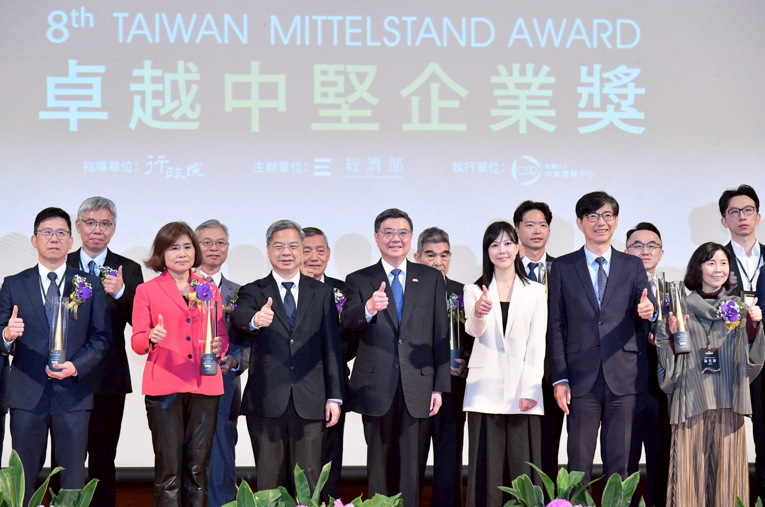
(圖/ 行政院) 行政院長卓榮泰今(5)日出席「第8屆卓越中堅企業頒獎典禮」,對12家卓越中堅企業及2家營造友善職場優良中堅企業表達肯定,並強調這些企業是臺灣經濟的「隱形冠軍」,其成功故事應引發社會更多共鳴,帶領其他企業與供應鏈夥伴共同努力,展現臺灣穩健的經濟韌性。 MGBOX 卓院長指出,獲獎企業專注本業、深耕技術,並在全球市場布局表現卓越,不論在經營領導、關鍵技術、創新能力、品牌行銷及市場經營等面向皆符合標準,在全球供應鏈中扮演重要角色。他強調,面對全球非紅供應鏈趨勢,臺灣企業應掌握契機,爭取在國際供應鏈中占有一席之地。政府也持續推動友善職場,鼓勵企業善待員工,提高薪資與福利,發揮勞工潛力,創造更多經濟動能。此次榮獲「營造友善職場優良中堅企業獎」的大安化學製藥及徠通科技,提供育兒與托老服務,為企業示範友善職場的典範。 (圖/ 行政院)...
The Civil Engineering Department at Terna Engineering College (TEC) in Nerul, Navi Mumbai is a vibrant and forward-looking hub for young engineers passionate about shaping the physical world we live in. Established in 2017, this department may be young compared to some traditional engineering programs, but it stands strong with its mission to deliver quality education, practical experience, and...

Buy GitHub Accounts📍🤍☀️🌶️🤍🍒 ➤Communicate with us directly for the best experience.📍🤍☀️🌶️🤍🍒 ➤Telegram: @Pvatopzone📍🤍☀️🌶️🤍🍒 ➤Email: Pvatopzone@gmail.com📍🤍☀️🌶️🤍🍒 ➤WhatsApp:+1 (579) 550-8030📍🤍☀️🌶️🤍🍒 ➤Come now our company:https://pvatopzone.com/product/buy-old-github-accounts/ In the modern digital world, GitHub has become an essential platform for developers, freelancers, and businesses alike....