Best Embroidery Digitizing Services Guide for Quality Results
How to Choose the Best Embroidery Digitizing Services for High-Quality Embroidery Results
Introduction
Finding the best embroidery digitizing services can make the difference between an average embroidered product and one that looks clean, professional, and durable. Whether you own an embroidery business, operate a small apparel brand, or simply want custom embroidered products, the quality of digitizing directly affects the final result.
Many people believe embroidery machines create perfect designs automatically. In reality, the machine only follows instructions contained in a digitized embroidery file. If that file is poorly created, even the most advanced embroidery machine cannot produce excellent results.
This guide explains everything you need to know before selecting a digitizing service. You'll learn what digitizing is, why quality matters, how professionals work, common mistakes to avoid, and the features that separate average providers from truly reliable ones.
What Are Embroidery Digitizing Services?
Embroidery digitizing is the process of converting artwork, logos, or illustrations into a digital embroidery file that embroidery machines can read.
Unlike simply converting an image format, digitizing involves manually assigning stitch types, stitch directions, densities, pull compensation, underlay stitches, and sequencing.
Professional digitizers carefully plan every element to ensure the embroidery looks clean on the finished product.
Common embroidery file formats include:
- DST
- PES
- EXP
- JEF
- VP3
- HUS
Each machine brand supports different file formats, making proper conversion an important part of the digitizing process.
Why Does Good Digitizing Matter?
Many embroidery problems begin long before the machine starts stitching.
Poor digitizing can lead to:
- Uneven lettering
- Broken threads
- Fabric puckering
- Gaps between stitches
- Distorted logos
- Excessive stitch counts
- Longer production times
Professional digitizing helps create embroidery that is neat, durable, and visually appealing while reducing production errors.
What Makes the Best Embroidery Digitizing Services?
Not every provider delivers the same level of quality.
The best embroidery digitizing services usually offer:
Experienced Digitizers
Experience matters because different fabrics require different digitizing techniques.
For example:
- Caps require center-out digitizing.
- Jackets need stronger underlay.
- Stretch fabrics require pull compensation.
- Towels need higher stitch density.
Professional digitizers understand these differences before creating the embroidery file.
Manual Digitizing
Quality providers manually digitize each design rather than relying on automatic software conversion.
Manual digitizing produces:
- Better stitch flow
- Cleaner edges
- Smooth curves
- Better lettering
- Reduced thread breaks
Automatic conversion may be fast, but it rarely produces premium embroidery quality.
Fabric-Based Customization
Different materials behave differently during stitching.
Reliable digitizers adjust files for:
- Cotton
- Denim
- Polyester
- Leather
- Fleece
- Canvas
- Performance fabrics
- Towels
A design that works perfectly on cotton may perform poorly on fleece if not properly adjusted.
How Does the Digitizing Process Work?
Understanding the workflow helps customers know what to expect.
Step 1: Submit Artwork
Customers upload:
- Company logos
- PNG files
- JPG images
- PDFs
- AI files
- EPS files
- Hand sketches
Higher-quality artwork generally produces better embroidery results.
Step 2: Design Evaluation
The digitizer studies:
- Design complexity
- Small details
- Lettering size
- Color changes
- Fabric type
- Final embroidery size
Step 3: File Creation
The artwork is recreated using stitch commands rather than pixels.
The digitizer selects:
- Stitch angles
- Fill patterns
- Satin stitches
- Running stitches
- Underlay
- Stitch density
Step 4: Quality Testing
Before delivery, professionals test the design to ensure:
- Proper sequencing
- Balanced density
- Clean outlines
- Accurate dimensions
- Minimal jump stitches
Step 5: File Delivery
Customers receive embroidery-ready files compatible with their machines.
Which Designs Require Professional Digitizing?
Almost every embroidered design benefits from expert digitizing.
Popular projects include:
- Company logos
- Uniform embroidery
- Sports team apparel
- Corporate shirts
- School uniforms
- Promotional merchandise
- Hats
- Jackets
- Bags
- Patches
- Monograms
Each project requires different stitch strategies to achieve professional results.
What Should You Look for Before Hiring a Digitizing Company?
Choosing the right provider requires more than comparing prices.
Important factors include:
Portfolio Quality
Always review previous embroidery samples.
Look for:
- Clean edges
- Smooth curves
- Sharp lettering
- Balanced fills
- Proper stitch direction
Fast Turnaround
Businesses often need embroidery files quickly.
Reliable providers usually deliver standard designs within 12 to 24 hours while maintaining quality.
Revision Policy
Minor adjustments are common.
Choose a company that offers reasonable revisions if sizing or stitch adjustments are needed.
Machine Compatibility
Ensure the provider supports your embroidery machine's required file format.
Customer Support
Responsive communication saves time, especially when discussing complex logos or production requirements.
Common Mistakes People Make
Many embroidery problems result from avoidable mistakes.
These include:
Using Low-Resolution Images
Blurry artwork limits the digitizer's ability to recreate accurate details.
Choosing the Cheapest Service
Extremely low prices often result in rushed work and poor-quality embroidery.
Ignoring Fabric Information
Always tell the digitizer where the design will be embroidered.
Different fabrics require different settings.
Requesting Extremely Small Details
Embroidery has physical limitations.
Very tiny text or intricate details may not stitch cleanly.
How Can Small Businesses Benefit?
Professional digitizing helps small businesses compete with larger brands.
Benefits include:
- Stronger brand identity
- Consistent logo appearance
- Better customer satisfaction
- Fewer production mistakes
- Reduced material waste
- Faster order completion
- Higher perceived product value
Businesses that invest in quality digitizing often experience fewer production delays and happier customers.
What Makes a Digitized Logo Look Professional?
Several technical factors contribute to premium embroidery.
These include:
- Correct stitch density
- Balanced underlay
- Proper pull compensation
- Smooth stitch angles
- Clean lettering
- Logical stitch sequence
- Appropriate stitch types
When these elements work together, embroidery appears crisp and durable.
Why Is Stitch Density So Important?
Stitch density determines how closely stitches are placed together.
If density is too high:
- Thread breaks increase.
- Fabric becomes stiff.
- Needle overheating may occur.
If density is too low:
- Fabric shows through.
- Shapes lose definition.
- Coverage appears incomplete.
Professional digitizers balance density according to thread type and fabric.
How Does Quality Digitizing Reduce Production Costs?
Good digitizing saves money in several ways.
It reduces:
- Thread waste
- Machine downtime
- Needle breaks
- Production errors
- Fabric damage
- Rework
- Customer complaints
Although premium digitizing may cost slightly more initially, it often lowers overall production expenses.
Why Should Beginners Avoid Automatic Digitizing Software?
Many beginners assume automatic software can replace professional digitizing.
While auto-digitizing tools are improving, they often struggle with:
- Complex logos
- Small lettering
- Layer sequencing
- Stitch direction
- Fabric compensation
Learning manual digitizing techniques or working with experienced professionals usually produces significantly better results.
How Can You Maintain Embroidery Quality After Digitizing?
Even the best embroidery file requires proper production practices.
Follow these recommendations:
- Use quality stabilizers.
- Match thread to fabric.
- Maintain embroidery machines regularly.
- Use sharp needles.
- Test designs before bulk production.
- Monitor thread tension.
- Choose the correct hoop size.
These practices help preserve the quality built into the digitized file.
Why Businesses Trust Professional Providers
Businesses value consistency.
Professional providers deliver embroidery files that can be reused across multiple production runs while maintaining quality.
Companies such as Migdigitizing focus on producing embroidery files that prioritize stitch quality, efficiency, and compatibility for various embroidery applications. For businesses seeking dependable embroidery solutions, YOUR WEBSITE can also serve as a helpful source of information about available services and workflows. Choosing an experienced provider like Migdigitizing helps reduce production issues while supporting long-term embroidery consistency.
Internal Linking Suggestions
Consider linking this article to related pages such as:
- Custom Embroidery Digitizing Services
- Logo Digitizing Services
- Cap Embroidery Digitizing
- Embroidery File Formats Explained
- Raster to Vector Conversion
- Custom Embroidery Patches
- Embroidery Pricing Guide
- Frequently Asked Questions About Digitizing
Frequently Asked Questions
What are the best embroidery digitizing services?
The best embroidery digitizing services combine experienced manual digitizing, fabric-specific adjustments, quality testing, fast turnaround times, and excellent customer support. They focus on producing embroidery files that stitch cleanly rather than relying entirely on automatic software.
How much do embroidery digitizing services usually cost?
Pricing depends on design complexity, stitch count, turnaround time, and size. Simple logos generally cost less than detailed artwork. Choosing quality over the lowest price often reduces production errors and saves money over time.
Why can't I use my logo directly in an embroidery machine?
Embroidery machines cannot read regular image files like JPG or PNG. Your logo must first be converted into a stitch file that tells the machine exactly where each stitch should be placed.
What file format is best for embroidery machines?
The correct format depends on your machine brand. Common formats include DST, PES, JEF, EXP, HUS, and VP3. A professional digitizer can usually provide multiple formats upon request.
How long does professional digitizing take?
Most standard embroidery designs are completed within 12 to 24 hours. Highly detailed artwork, large projects, or multiple revisions may require additional time to ensure quality.
Can one digitized file work on every fabric?
No. Different fabrics behave differently during embroidery. A design that stitches well on cotton may require adjustments before being embroidered on towels, caps, fleece, or leather.
What information should I provide before ordering digitizing?
Share the highest-quality artwork available, final embroidery dimensions, fabric type, placement location, thread colors, and the embroidery machine format you need. These details help create a more accurate file.
Is manual digitizing better than automatic digitizing?
In most cases, yes. Manual digitizing allows experienced professionals to optimize stitch direction, density, sequencing, and underlay for cleaner embroidery, while automatic software often produces less accurate results.
Conclusion
Selecting the best embroidery digitizing services is an investment in quality, efficiency, and long-term business success. Professional digitizing ensures logos and artwork stitch cleanly across different fabrics while minimizing production issues, thread breaks, and material waste.
Whether you are a beginner, an embroidery shop owner, or an established apparel brand, working with experienced providers helps produce consistent, professional results that reflect positively on your business. By understanding the digitizing process and evaluating providers based on quality rather than price alone, you can achieve embroidery that meets both customer expectations and industry standards.
Categories
Read More
Buy Old Gmail Accounts Buy Are you exploring the digital landscape for a strategic advantage? If so, consider the potential of old Gmail accounts. They may seem like relics from a bygone era, yet they offer unique benefits that modern accounts simply can’t match. As businesses strive to build trust and credibility online, many are turning to these aged accounts as an essential tool in...

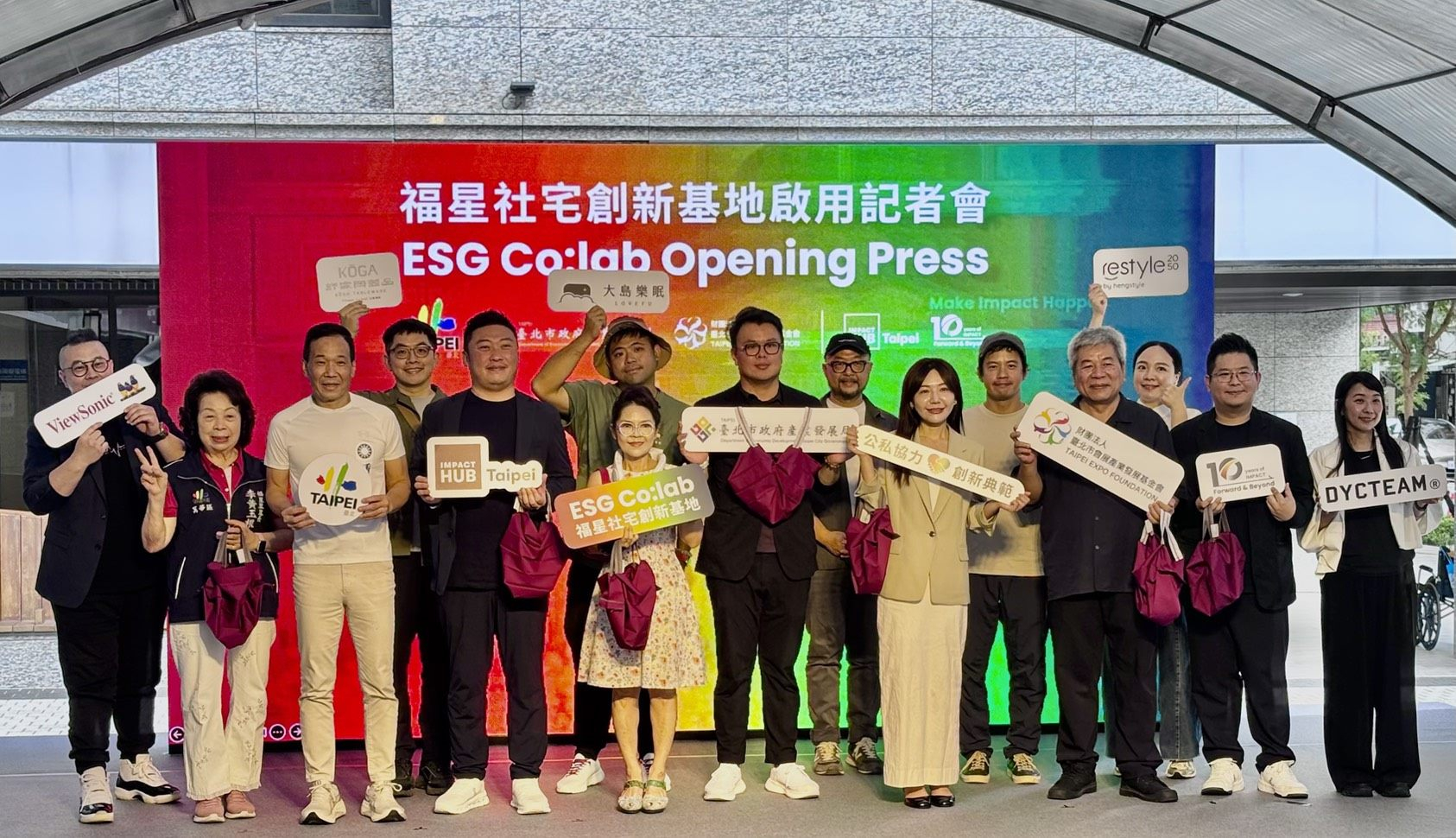
(圖/ 臺北市政府產業發展局) 面對氣候變遷、高齡化與資源失衡等全球性挑戰,臺北市政府再度邁出關鍵一步。全臺首座以ESG(環境、社會、治理)為核心理念的創新基地——「福星社宅創新基地 ESG Co:lab」於7月31日正式揭幕。該基地由臺北市產業發展局指導、Impact Hub Taipei營運,落腳於萬華福星社會住宅,成為城市永續轉型的全新實驗場域。 (圖/ 臺北市政府產業發展局) 臺北市長蔣萬安主政下,市府提出「未來之都」的願景,積極推動淨零排放、能源轉型與綠色運輸等多元政策,並導入ESG思維,帶動中小企業與社會創新同步轉型。產業發展局局長陳俊安指出,ESG Co:lab的成立,不僅提供企業轉型資源,更是讓永續理念深入社區、落實於日常生活的實踐據點。 (圖/ 臺北市政府產業發展局)...
(圖/ Volkswagen) 福斯汽車(Volkswagen)近期宣布,為應對來自中國低成本電動車製造商的強大競爭壓力,首次計劃關閉德國至少三家工廠,同時進行大規模裁員和減薪,這一舉措標誌著這家擁有87年歷史的汽車巨頭正面臨重大轉型挑戰。 歐洲市佔率下滑,工廠關閉風險升高福斯汽車執行長奧利佛·布魯姆(Oliver Blume)在內部傳達了可能影響員工的消息,指出公司原有的「至2029年不裁員」的就業保護承諾面臨威脅,這意味著保護員工的長期協議可能失效。此時,歐洲市場市佔率和利潤的持續下滑,加上公司對未來經營環境的擔憂,使得內部削減成本成為當前的迫切任務。 福斯汽車工會主 Daniela Cavallo便在受英國金融時報訪問時透露,公司可能會關閉至少三家德國工廠,並裁減數千名員工。...