The Independent Artist’s Roadmap to Maximizing Music Royalties

The transition from a hobbyist musician to a professional creator requires a fundamental shift in mindset. In the past, artists relied on major record labels to handle the complex financial networks of the music industry. Today, independent creators have the tools to manage their own careers, but they also inherit the responsibility of managing their own business operations.
Understanding how your songs generate income is the most critical asset you can develop. Every time a track is streamed, downloaded, or played in a public space, it triggers a chain reaction of financial transactions. To ensure you are capturing all of these revenue streams, you must understand how the modern ecosystem works and how to set up your business backend correctly.
Deciphering the Core Mechanics of Streaming Income
Digital streaming platforms have completely changed how music is consumed, but the underlying financial structures are still based on traditional copyright principles. To collect what you are owed, you need to know exactly how these platforms calculate payouts.
The Market Share Model
Most major streaming platforms do not use a per-stream payment model, despite popular belief. Instead, they use a "pro-rata" or market-share system. All subscription and advertising revenues are pooled together into one massive fund. The platform then distributes this money based on the percentage of total streams an artist accounts for across the entire service.
The Power of the Master Payout
The largest portion of the streaming pool goes directly to the owner of the master recording. For independent artists, this is where a reliable music distribution service plays an indispensable role. The distributor delivers the audio files to digital stores, collects this master revenue, and passes it directly to the artist, bypassing traditional label deductions.
The Publishing Allocation
A smaller but equally important portion of the streaming pool is reserved for the songwriters and publishers. This money does not go to your distributor. Instead, it is routed through specialized administrative agencies and collection societies, meaning you must take additional steps beyond distribution to claim it.
The Triad of Songwriter Revenue
If you write your own music, you are not just a performer; you are a publisher. Songwriters are entitled to specific types of revenue that accumulate every time their work is played or reproduced.
Mechanical Rights and Digital Reproduction
A mechanical royalty is triggered whenever a song is reproduced in a physical or digital format. In the streaming era, a digital play is legally considered an interactive reproduction. Organizations like the Mechanical Licensing Collective (MLC) in the United States collect these funds directly from streaming platforms to ensure self-published writers receive their legal share.
Performance Rights in the Digital Space
Public performance income is generated when a song is broadcast to the public. While this includes traditional avenues like terrestrial radio and television, it also includes interactive and non-interactive digital streaming. Performance rights organizations sit at the center of this pipeline, tracking broadcasts and distributing funds to their registered members.
Neighboring Rights and Global Recording Income
While standard performance rights protect the songwriter, neighboring rights protect the performing artists and master owners. If your tracks are broadcast on international radio stations or digital streaming platforms outside your home country, you may be owed neighboring rights payments. These are collected by specialized societies like SoundExchange or international equivalents.
Practical Steps to Organize Your Music Business
An artist can have millions of streams but still receive minimal payouts if their administrative backend is broken. Setting up your collection network early protects your assets and prevents your money from sitting in unclaimed corporate accounts.
Step 1: Registering with a PRO
Your first priority should be joining a performing rights society such as ASCAP, BMI, or PRS. These entities act as your global eyes and ears, monitoring public spaces and digital networks. Without a PRO registration, your public performance earnings cannot be legally routed to you.
Step 2: Securing Mechanical Collections
Once your PRO registration is live, you must ensure your mechanical rights are accounted for. Independent creators can either register directly with agencies like the MLC or hire a dedicated publishing administrator. An administrator handles the paperwork and tracks down international mechanical funds in exchange for a small percentage of the earnings.
Step 3: Standardizing Your Metadata
Metadata is the digital DNA attached to your audio files. It contains your legal name, your ISRC (International Standard Recording Code), and your ISWC (International Standard Musical Work Code). If this data is missing or mismatched between your distributor and your publishing registry, tracking systems will fail, and your earnings will be lost.
Long-Term Capitalization of Your Song Catalog
A successful independent career is built on the compounding value of a deep song catalog. Treating your music as a long-term financial portfolio changes how you approach marketing and releases.
Cultivating Back-Catalog Momentum
While new releases drive short-term spikes in traffic, a healthy back-catalog provides sustainable, predictable income. Regularly updating your profile, pitching older songs to niche playlists, and bundling tracks into new compilations can revive older assets and maximize your lifetime music royalties stream.
Navigating Sync and Media Placement
Sync licensing involves placing your music into visual media like movies, television series, video games, and advertisements. These placements offer a dual financial benefit: an upfront synchronization fee paid by the production company, followed by ongoing performance payouts every time the media is broadcast to an audience.
The Importance of Independent Ownership
Retaining control of both your master and composition rights gives you complete creative and financial freedom. When you own your catalog outright, you keep the vast majority of the profits and maintain the leverage required to sign advantageous partnerships or licensing deals in the future.
Conclusion
The modern independent music landscape is rich with opportunity, but it requires artists to be highly diligent business managers. By mastering the mechanics of streaming payouts, registering with the correct collection societies, and protecting your metadata, you can ensure that your creative work is fully monetized. Utilizing a dedicated distribution partner keeps your master revenue flowing smoothly, allowing you to invest back into your craft. Treat your music as the valuable intellectual property it is, lay a solid administrative foundation, and build a career that is both creatively fulfilling and financially sustainable.
閱讀更多
The Fear of God Essential Hoodie is greater than simply a bit of apparel; it is a statement. Designed with an outsized suit, this hoodie gives unheard of consolation with out sacrificing fashion.Crafted from top rate substances, it functions smooth cotton that feels tremendous towards the skin. The minimalist aesthetic is without problems recognizable, making it best for layering or sporting...

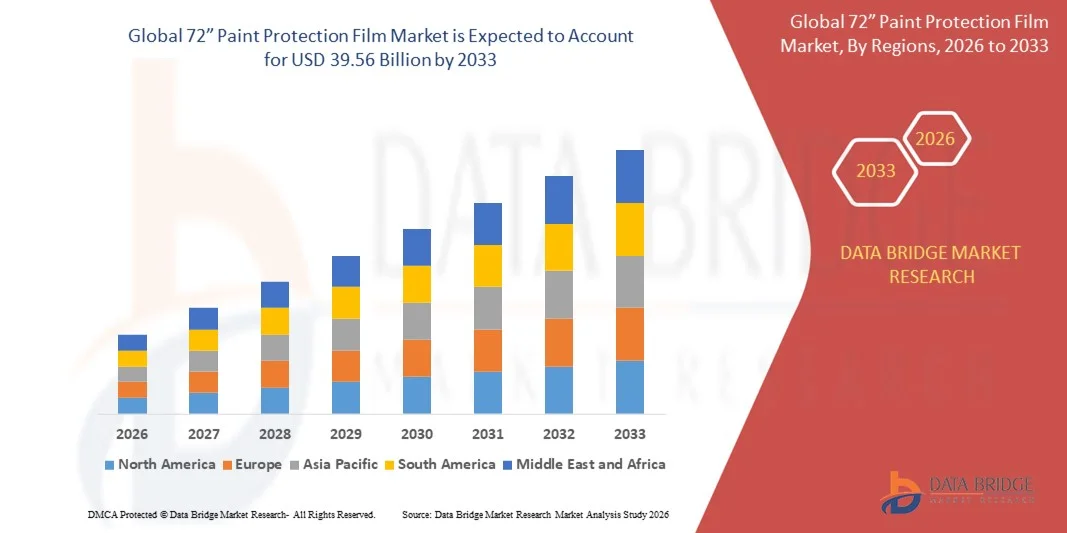
According to the latest report published by Data Bridge Market Research, the 72” Paint Protection Film Market The global 72” paint protection film market size was valued at USD 26.77 billion in 2025 and is expected to reach USD 39.56 billion by 2033, at a CAGR of 5.00% during the forecast period. With the effectual use of technology,...
" According to the latest report published by Data Bridge Market Research, the Emergency Medical Service (EMS) Products Market The global emergency medical service (EMS) products market size was valued at USD 33.19 billion in 2025 and is expected to reach USD 55.13 billion by 2033, at a CAGR of 6.55% during the forecast period. The large scale Emergency Medical Service (EMS) Products...