
Collagen has become one of the most talked-about nutrients in the health and wellness industry. From skincare products to dietary supplements, collagen is widely recognised for its role in supporting healthy skin, joints, and overall body structure. As people become more focused on maintaining their appearance and mobility, interest in collagen continues to grow.
Collagen is a naturally occurring protein found throughout the body. It serves as one of the main building blocks of skin, bones, muscles, tendons, ligaments, and connective tissues. However, as we age, collagen production gradually decreases, which may affect skin elasticity and joint comfort.
Understanding the benefits of collagen can help you make informed decisions about supporting your long-term health and wellness.
What Is Collagen?
Collagen is the most abundant protein in the human body. It provides structure, strength, and support to various tissues and organs.
You can think of collagen as a framework that helps hold the body together. It contributes to the firmness of the skin, the flexibility of joints, and the strength of connective tissues.
Several types of collagen exist, but the most common include:
Type I Collagen
Found primarily in skin, bones, tendons, and ligaments.
Type II Collagen
Mostly found in cartilage and joint tissues.
Type III Collagen
Commonly found in skin, muscles, and blood vessels.
Each type plays an important role in maintaining overall health and physical function.
Why Collagen Levels Decline
The body's natural collagen production gradually decreases with age. This process often begins in early adulthood and continues over time.
Several factors may contribute to collagen loss, including:
- Aging
- Poor nutrition
- Smoking
- Excessive sun exposure
- Lack of sleep
- Chronic stress
As collagen levels decline, some people may notice changes in skin appearance, flexibility, and joint comfort.
Collagen and Skin Health
One of the most popular reasons people are interested in collagen is its connection to healthy skin.
Collagen helps maintain:
- Skin firmness
- Elasticity
- Hydration
- Smooth texture
Healthy collagen levels contribute to youthful-looking skin by supporting the skin's structural framework.
Supporting Skin Elasticity
Elasticity refers to the skin's ability to stretch and return to its original shape. As collagen levels decrease, skin may become less firm over time.
Supporting collagen production may help maintain healthy skin structure and resilience.
Promoting Skin Hydration
Hydrated skin often appears smoother and healthier. Collagen contributes to the skin's ability to retain moisture, supporting a fresh and healthy appearance.
Supporting Overall Skin Wellness
Combined with proper hydration, nutrition, and skincare habits, collagen plays an important role in maintaining healthy-looking skin throughout life.
Collagen and Joint Health
Collagen is also an important component of cartilage, the tissue that cushions joints and supports smooth movement.
Healthy collagen levels help support:
- Joint flexibility
- Mobility
- Connective tissue strength
- Physical activity
Maintaining joint health becomes increasingly important as people age and continue to lead active lifestyles.
Supporting Joint Flexibility
Flexible joints contribute to comfortable movement and physical performance. Collagen helps support the structural integrity of connective tissues surrounding joints.
Encouraging Active Living
Healthy joints make it easier to participate in everyday activities such as walking, exercising, climbing stairs, and recreational sports.
Supporting joint wellness can contribute to long-term mobility and independence.
Additional Benefits of Collagen
Beyond skin and joints, collagen contributes to many areas of the body.
Bone Health
Bones contain significant amounts of collagen, which provides structure and strength.
Muscle Support
Collagen is present in muscle tissue and contributes to overall body composition.
Hair and Nail Appearance
Many individuals include collagen as part of their beauty and wellness routines because of its role in supporting healthy hair and nails.
Connective Tissue Function
Tendons, ligaments, and other connective tissues rely on collagen to maintain their structure and flexibility.
Nutrients That Support Collagen Production
The body requires certain nutrients to produce collagen efficiently.
Vitamin C
Vitamin C is essential for collagen synthesis.
Good sources include:
- Oranges
- Strawberries
- Kiwi
- Bell peppers
- Broccoli
Protein
Since collagen is a protein, consuming adequate dietary protein is important.
Protein-rich foods include:
- Eggs
- Fish
- Chicken
- Lean meat
- Beans
- Lentils
Zinc
Zinc supports various biological functions, including tissue repair.
Sources include:
- Pumpkin seeds
- Nuts
- Legumes
- Dairy products
Copper
Copper also plays a role in collagen formation.
Foods containing copper include:
- Nuts
- Seeds
- Whole grains
- Shellfish
A balanced diet rich in these nutrients can help support natural collagen production.
Lifestyle Habits That Support Healthy Collagen Levels
In addition to nutrition, healthy lifestyle habits may help protect collagen.
Protect Skin from Excessive Sun Exposure
Ultraviolet rays can accelerate collagen breakdown. Using sun protection can help maintain skin health.
Avoid Smoking
Smoking is associated with increased collagen degradation and may affect skin appearance over time.
Stay Hydrated
Proper hydration supports healthy skin and overall bodily function.
Get Quality Sleep
Sleep is an important time for tissue repair and recovery.
Manage Stress
Long-term stress may negatively affect various aspects of health, including skin wellness.
Foods Naturally Rich in Collagen
Certain foods contain collagen or nutrients that support collagen production.
Examples include:
- Bone broth
- Fish
- Chicken
- Eggs
- Citrus fruits
- Leafy greens
- Berries
A balanced eating plan that includes these foods may support overall wellness.
The Growing Popularity of Collagen Supplements
As awareness of collagen's role in health grows, many people choose to include collagen supplements in their daily routines. These products are often used as part of broader wellness plans focused on skin health, mobility, and healthy ageing.
Consumers appreciate collagen products because they are convenient and easy to incorporate into busy lifestyles.
Collagen and Healthy Aging
Healthy ageing involves maintaining physical function, mobility, and overall well-being. Since collagen contributes to the health of skin, joints, bones, and connective tissues, supporting collagen levels may become increasingly important over time.
Combined with a healthy diet, regular exercise, hydration, and good sleep habits, collagen can be part of a comprehensive wellness strategy.
Nutritional Support for Skin and Joint Wellness
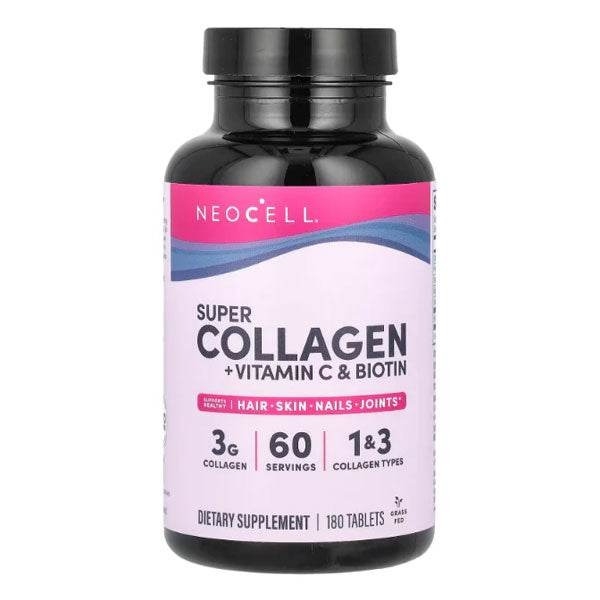
Some individuals choose to complement their healthy lifestyle with collagen-based nutritional products. For those interested in supporting skin and joint health, Neocell collagen, available through Vitamins House, is often considered part of a broader wellness and beauty routine.
Conclusion
Collagen plays a vital role in maintaining healthy skin, joints, bones, and connective tissues. As natural collagen production decreases with age, supporting collagen levels through proper nutrition and healthy lifestyle habits becomes increasingly important.
A balanced diet rich in protein, vitamin C, zinc, and other essential nutrients can help support natural collagen production. Combined with good hydration, exercise, quality sleep, and healthy daily habits, collagen can contribute to healthier skin, improved mobility, and overall wellness.
By understanding the benefits of collagen and making informed lifestyle choices, individuals can take positive steps toward maintaining their health and vitality for years to come.