Everest Base Camp Trek Difficulty: My Personal Experience and Practical Advice
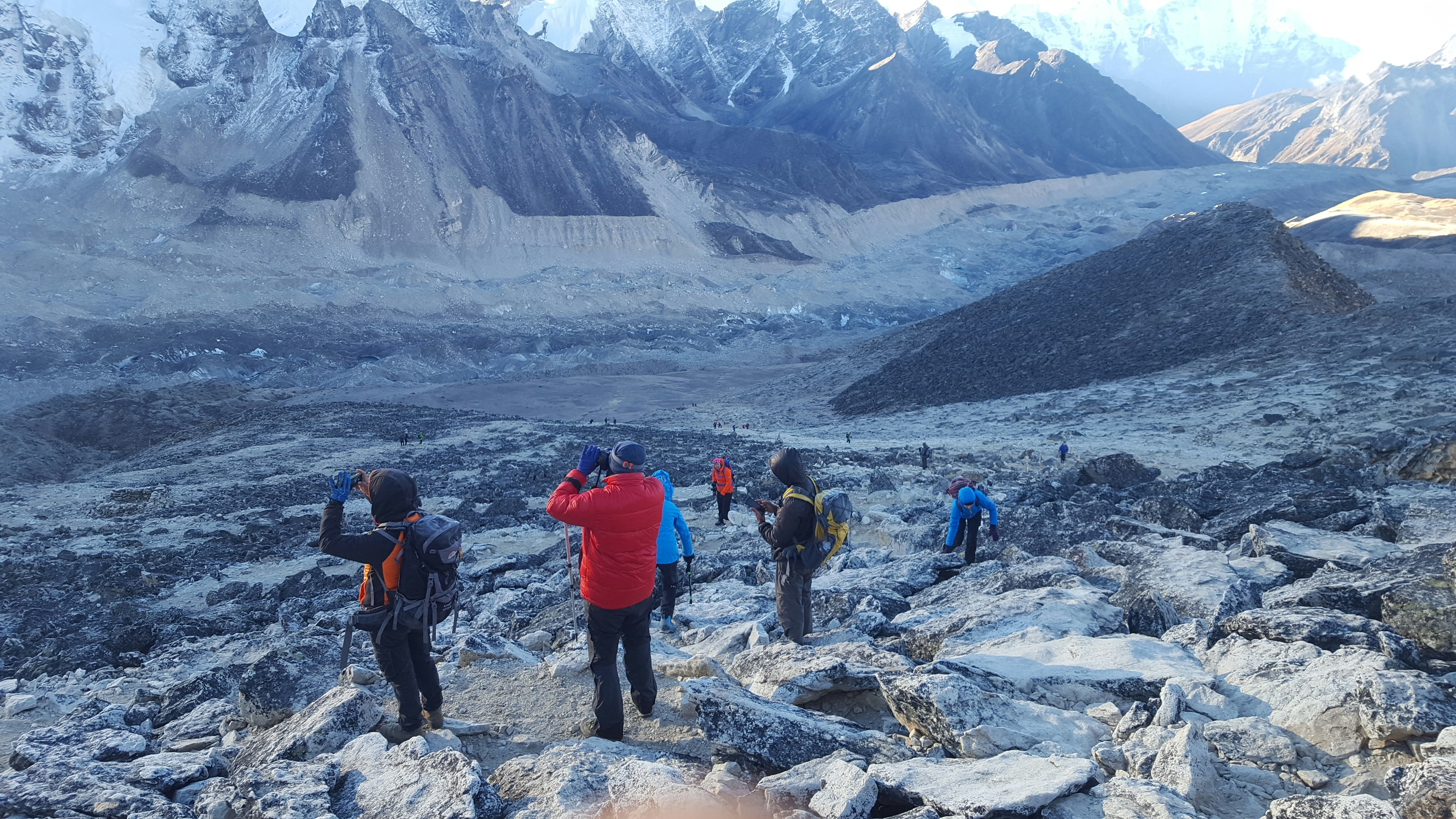
The mountains looked impossible from a distance, but they became my greatest teacher with every step. When I first decided to trek to Everest Base Camp, I felt both excited and nervous. I had seen countless photos of the Himalayas, but standing among them seemed like a huge challenge. Questions filled my mind. Was I fit enough? Could I handle the altitude? Would the trek be too difficult? Thankfully, Best Trek Adventure made the journey much easier by providing professional guides, permit arrangements, transportation, accommodation bookings, and constant support throughout the trek. Their team helped turn my dream of reaching Everest Base Camp into reality.
Why I Chose the Everest Base Camp Trek
I have always been fascinated by mountains. There is something special about walking through remote valleys, crossing suspension bridges, and seeing snow-covered peaks rise above the clouds. The Everest Base Camp trek offers all of that and much more. It is not just a trek; it is a journey through Sherpa culture, Buddhist traditions, and some of the most beautiful landscapes in the world.
Before the trek, I spent months reading blogs and watching videos. Many people described the trail as difficult, while others said it was manageable with proper preparation. I wanted to experience it for myself and discover the truth behind the challenge.
Important Trek Statistics
The Everest Base Camp trek usually takes around 12 to 14 days to complete, depending on the itinerary and acclimatization days. The total trekking distance is approximately 130 kilometers (80 miles) round trip from Lukla to Everest Base Camp and back. The highest point reached during the journey is Kala Patthar, which stands at 5,545 meters (18,192 feet), while Everest Base Camp itself sits at 5,364 meters (17,598 feet). On average, trekkers walk between 5 and 8 hours each day.
Was the Trek Really Difficult?
The honest answer is yes, but not in the way many people imagine.
The Everest Base Camp trek does not require technical climbing skills. There are no ropes, ice axes, or rock-climbing sections. However, the combination of long walking days, steep trails, and high altitude makes it physically demanding.
The first few days felt relatively easy. We walked through beautiful forests, crossed suspension bridges, and passed through charming villages. I felt confident and energized. But as we climbed higher, the thinner air started to make every step more challenging.
Simple activities like walking uphill or climbing a short staircase required more effort than usual. I quickly learned that trekking at high altitude is very different from hiking at lower elevations.
The Biggest Challenge: Altitude
For me, altitude was the hardest part of the journey.
As we gained elevation, the amount of oxygen in the air decreased. Even though I was walking slowly, I often felt short of breath. Some trekkers experienced mild headaches and fatigue during acclimatization days.
Our guide from Best Trek Adventure constantly reminded us to walk slowly, drink plenty of water, and listen to our bodies. Their experience was incredibly valuable. Instead of rushing, we followed a steady pace and allowed our bodies time to adjust.
This simple advice helped us avoid serious altitude problems and made the trek much safer.
My Most Emotional Moment
The most emotional moment came when we finally reached Everest Base Camp.
After days of walking, crossing rocky trails, and dealing with tired legs, we stood at one of the most famous trekking destinations in the world. I remember looking around at the glaciers, mountains, and colorful prayer flags. For a few moments, nobody in our group said anything.
I felt proud, grateful, and surprisingly emotional. The journey had pushed me outside my comfort zone. Every difficult step suddenly felt worthwhile. That moment taught me that some of the best rewards in life come after facing challenges.
How Best Trek Adventure Helped Throughout the Journey
One reason our trek went so smoothly was the support provided by Best Trek Adventure.
From the beginning, they organized every important detail. They handled permits, arranged domestic flights, booked comfortable teahouse accommodations, and provided experienced local guides. During the trek, our guide shared information about local culture, monitored our health, and helped us maintain a safe pace.
Whenever we had questions or concerns, the team was ready to help. Their professionalism allowed us to focus on enjoying the experience instead of worrying about logistics. For first-time trekkers, having reliable support can make a huge difference.
Practical Advice for Future Trekkers
Based on my experience, there are several things I would recommend to anyone planning the Everest Base Camp trek.
First, focus on building your endurance before the trek. Regular walking, hiking, jogging, and stair climbing can help prepare your body.
Second, do not underestimate the importance of acclimatization. Extra rest days may seem unnecessary at first, but they are essential for adjusting to the altitude.
Third, pack wisely. Good hiking boots, warm clothing, a quality sleeping bag, and a reusable water bottle are important items.
Fourth, walk slowly. Many trekkers try to move too fast during the first few days. The mountain will always be there. Taking your time improves your chances of success.
Finally, choose a reliable trekking company with experienced guides. Professional support can significantly improve both safety and enjoyment.
Final Thoughts
Looking back, the Everest Base Camp trek was one of the most challenging and rewarding experiences of my life. Yes, there were moments of fatigue, cold weather, and difficult climbs. But there were also incredible sunrises, beautiful mountain views, inspiring cultural encounters, and a deep sense of achievement.
The difficulty of the trek is real, but it should not stop you from pursuing the adventure. With proper preparation, a positive mindset, and the expert support of Best Trek Adventure, the journey becomes much more manageable. Their dedicated services, experienced guides, accommodation arrangements, transportation support, and commitment to safety helped make my Everest Base Camp experience unforgettable. If you dream of standing in the shadow of the world's highest mountain, take that first step—you may discover that the mountains become your greatest teacher too.
Categories
Read More
Finding reliable domestic staff in a busy city like Lahore can be time-consuming and stressful. Whether you need a professional driver, an experienced cook, or a trustworthy maid, choosing the right person is essential for your comfort and safety. This guide will help you understand how to hire driver in Lahore, hire cook in Lahore, and find maid in Lahore efficiently—while avoiding...

Rien de tel qu’une nouvelle carte pour raviver la flamme de VALORANT. Avec l’Acte 4 de la saison 2026, Riot Games nous offre Summit, une map qui débarque le 24 juin et qui promet de secouer nos habitudes. Accrochez-vous, car cette fois, le terrain lui-même devient une arme. Summit : une académie Radiant dans les nuages Imaginez une académie Radiant...
