AI Video Creation: Beginner's Guide
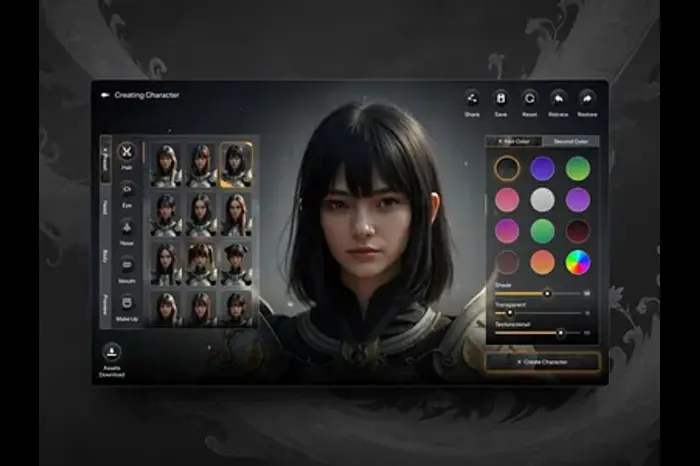
Artificial intelligence has changed the way people produce digital content in 2026. Video production, which once required expensive equipment, editing skills, and long working hours, now feels easier for beginners and professional creators alike. This article talks about how AI video creation works, why creators are using it, and what tools help produce high-quality videos quickly. Similarly, the article explains practical methods, current trends, beginner mistakes, creative workflows, and useful strategies for creating better AI-powered content for different online platforms and audiences.
This article covers AI tools, beginner workflows, editing methods, creative prompts, video quality tips, common mistakes, pricing trends, and future possibilities.
Why AI Video Tools Became Popular in 2026
Content creators upload millions of short videos every day. Consequently, creators now search for faster production methods that reduce editing time without lowering quality. AI-powered systems now assist with script writing, voiceovers, scene generation, subtitles, and animation.
Initially, AI video tools focused mainly on automated slideshows and basic transitions. However, modern systems now create realistic scenes, cinematic movements, voice synchronization, and social-media-ready formats within minutes.
Several reasons pushed this technology into mainstream use:
- Faster content production
- Lower editing costs
- Better accessibility for beginners
- Automated voice generation
- Instant subtitle creation
- Multi-language support
- Social media optimization
Similarly, businesses, influencers, educators, and marketers now depend on automated workflows to stay consistent with online publishing schedules.
How Beginners Start With AI Video Tools
Most beginners start with short-form content because it requires less editing knowledge. In comparison to traditional editing software, AI platforms simplify the process through drag-and-drop systems and automated templates.
A simple beginner workflow usually looks like this:
- Write a short script
- Upload images or prompts
- Select a video style
- Generate voice narration
- Edit scenes manually if needed
- Export for YouTube, TikTok, or Instagram
Obviously, beginners still need creativity and planning. AI systems help with speed, but content quality still depends on storytelling, timing, and audience interest.
Meanwhile, many creators use AI tools to create AI videos for tutorials, explainers, entertainment clips, and educational content.
Popular Video Styles Creators Use Today
Different audiences prefer different visual formats. Consequently, creators often test multiple styles before selecting one consistent format.
Short Educational Videos
These videos perform well on social platforms because viewers consume information quickly. Likewise, subtitles and AI narration improve watch time.
Animated Storytelling
Animation tools now allow creators to build scenes without advanced motion design skills. Especially for beginners, this reduces production difficulty significantly.
Product Demonstrations
Brands use AI-generated clips to showcase products with voiceovers and visual highlights. As a result, small businesses save money on production teams.
Cinematic AI Scenes
Creators interested in creative filmmaking now generate stylized visuals using prompts and AI motion systems.
Some creators even test experimental categories using an AI anime video generator for stylized storytelling and animated character scenes.
Research Statistics Showing AI Video Growth
Current industry reports show strong growth in automated video production worldwide.
| AI Video Industry Trends (2026) | Estimated Data |
|---|---|
| Businesses using AI video tools | 72% |
| Short-form AI videos uploaded daily | 14 million+ |
| Average production time saved | 65% |
| Creators using AI voiceovers | 58% |
| Social media marketers using AI editing | 74% |
Consequently, more companies now train employees to work with AI-assisted editing systems instead of relying entirely on manual workflows.
Writing Better Prompts for Video Generation
Prompt writing strongly affects output quality. Although many beginners expect instant perfect results, prompt structure still matters significantly.
Good prompts usually contain:
- Camera angle
- Scene mood
- Character action
- Lighting style
- Background details
- Duration expectations
For example, instead of writing “city video,” creators often describe:
“Night city street with rain reflections, cinematic lighting, slow camera movement, realistic people walking.”
Clearly, detailed prompts produce more accurate visuals.
In the same way, creators trying to generate AI video projects for social media usually keep prompts short but visually descriptive.
Audio Quality Still Matters
Many beginners focus only on visuals. However, weak audio quality can reduce viewer retention quickly.
Creators now use AI-generated voiceovers with realistic emotional tones. Similarly, automatic background music systems help match scenes with proper mood selection.
Important audio tips include:
- Keep narration clear
- Avoid robotic voice settings
- Match music volume carefully
- Use subtitles for silent viewers
- Remove unnecessary background noise
Despite automation improvements, manual review still improves overall content quality.
Editing Remains Important Even With Automation
Some people assume AI tools remove editing completely. But successful creators still adjust pacing, transitions, and scene order manually.
Editing helps with:
- Better storytelling flow
- Audience retention
- Emotional timing
- Visual consistency
- Platform formatting
Consequently, creators who combine AI speed with manual editing often produce stronger results than fully automated videos.
Similarly, creators working with brands usually maintain editing standards to keep videos aligned with professional marketing goals.
Common Mistakes Beginners Make
New creators often repeat several avoidable mistakes during early projects.
Overloading Scenes
Too many effects can make videos confusing. Simpler visuals often perform better.
Ignoring Audience Intent
Creators sometimes focus more on technology than viewer interest. However, engaging storytelling remains more important.
Copying Trends Without Originality
Trend-based videos may gain temporary views. Still, original formats usually build stronger long-term audiences.
Using Unrealistic Voiceovers
Poor voice selection reduces authenticity quickly.
Publishing Without Testing
Creators should always preview content before uploading publicly.
Consequently, experienced creators usually review pacing, captions, and transitions several times before publishing.
AI Video Creation for Businesses
Businesses now use AI-generated content for marketing campaigns, customer education, and product promotions.
Popular business use cases include:
- Product ads
- Employee training videos
- FAQ explainers
- Social media reels
- Real estate presentations
- Online course lessons
In particular, startups use automated production to reduce advertising expenses while maintaining frequent content uploads.
One growing creative platform mentioned frequently in online discussions is Secrets AI, which reflects how AI-powered creative systems continue expanding into multiple digital content categories.
Balancing Creativity and Automation
AI tools save time. However, originality still separates successful creators from average content publishers.
Creators who rely completely on automation often produce repetitive videos. In comparison to manual storytelling, purely automated content may feel less personal.
Successful creators usually combine:
- Human storytelling ideas
- AI-generated visuals
- Manual editing decisions
- Audience feedback
- Creative experimentation
As a result, content feels more natural and emotionally engaging.
How Social Media Changed AI Video Demand
Social platforms increased demand for faster video publishing. Consequently, creators now compete heavily for viewer attention.
Short videos dominate because audiences prefer quick entertainment and educational content. Likewise, mobile-first viewing changed editing styles significantly.
Modern AI tools now optimize videos automatically for:
- Vertical viewing
- Short captions
- Fast transitions
- Mobile screens
- Social media algorithms
Eventually, automated optimization may become standard across most creator platforms.
Pricing Trends in 2026
AI video platforms now offer several pricing levels depending on creator needs.
| Plan Type | Monthly Cost |
| Beginner Tools | $10–$30 |
| Creator Plans | $40–$90 |
| Professional Systems | $100–$300 |
| Enterprise Solutions | Custom Pricing |
Admittedly, free plans still exist. However, premium plans usually provide higher rendering quality, faster exports, and advanced customization tools.
Consequently, many creators start with entry-level subscriptions before upgrading later.
Creative Experimentation Continues Growing
Video creators constantly test unusual styles and storytelling concepts. Some creators experiment with fantasy scenes, virtual influencers, cinematic storytelling, and even AI bondage videos for mature artistic discussions and restricted-content communities where platform policies allow appropriate publishing.
However, mainstream creators usually focus on educational, entertainment, or marketing-related content because those categories attract wider audiences and monetization opportunities.
Future Trends Beginners Should Watch
Several trends may shape the next phase of AI video production.
Real-Time Video Generation
Systems may soon create editable scenes instantly during live production.
Better Character Consistency
AI characters will likely maintain consistent appearance across long-form projects.
Smarter Emotion Detection
Voice and facial systems may adapt automatically to emotional tone.
Interactive Videos
Viewers may interact directly with AI-generated scenes and story choices.
Consequently, beginner creators entering the industry in 2026 already have access to tools that previously required professional production studios.
Final Thoughts
AI video creation continues changing digital storytelling for creators, educators, businesses, and online communities in 2026. Although automation reduces technical barriers, creativity, editing decisions, storytelling quality, and audience connection still determine long-term success. Beginners who practice consistently, test different formats, and focus on viewer engagement often improve faster than creators relying only on automation tools.
Similarly, balanced workflows combining AI efficiency with human creativity usually produce stronger results. As technology improves further, creators who adapt early may build stronger online visibility across competitive digital platforms.
