How Corrosion Impacts Helicopter Safety and Performance
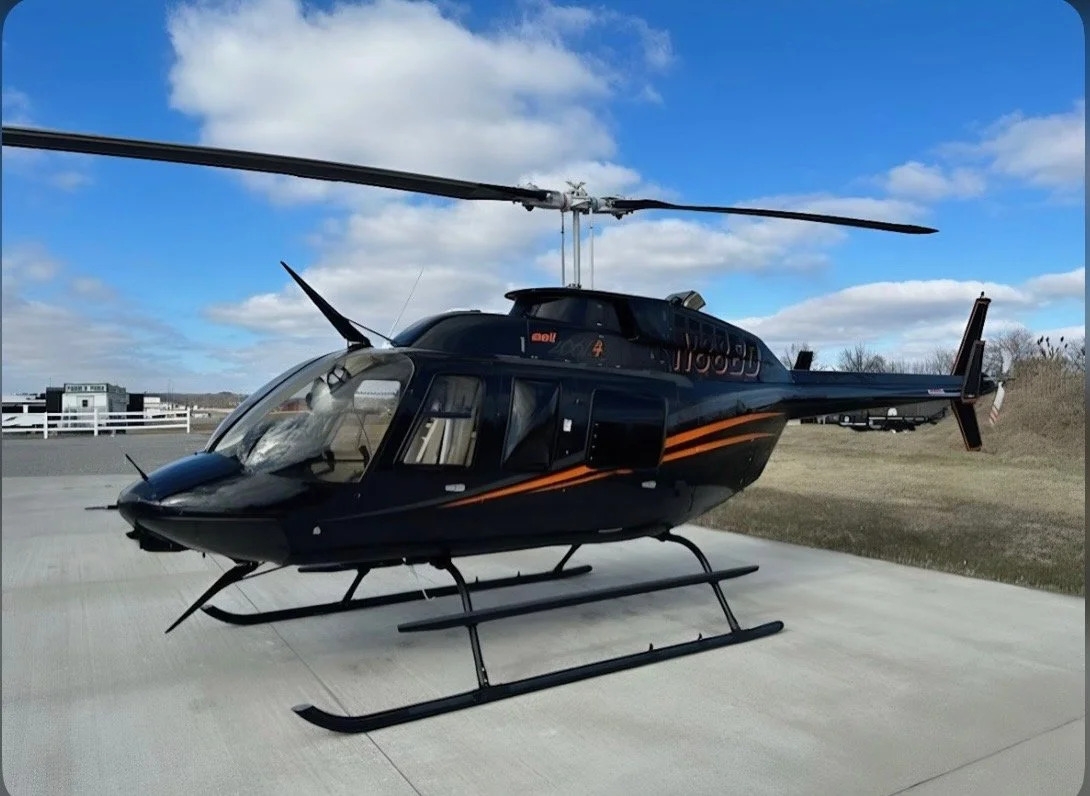
Helicopters operate in demanding environments where exposure to moisture, salt, chemicals, and changing weather conditions is a daily reality. Over time, these elements gradually affect metal structures and critical parts, leading to corrosion. While corrosion may appear minor during early stages, it often develops into a serious concern that affects both safety and operational efficiency.
Regular inspections and timely maintenance play a significant role in preventing corrosion-related issues. Many operators rely on experienced technicians and a qualified FAA repair station for specialized assessments when structural damage requires advanced repair solutions. Understanding corrosion and its impact helps aircraft owners make informed maintenance decisions and protect long-term airworthiness.
Understanding Corrosion in Helicopters
Corrosion is a natural process that occurs when metal reacts with environmental elements such as oxygen, moisture, or contaminants. In helicopters, corrosion often develops in areas exposed to water accumulation, coastal environments, industrial pollutants, or harsh weather conditions.
Unlike visible dents or cracks, corrosion frequently begins beneath paint coatings or inside structural assemblies. This hidden deterioration may weaken metal surfaces without immediate signs of damage. As corrosion progresses, structural integrity gradually declines, increasing maintenance requirements and operational risks.
Since helicopters contain numerous interconnected parts, corrosion rarely remains isolated to a single location. Early detection supports effective aircraft component repair and reduces the likelihood of extensive structural restoration.
How Corrosion Affects Structural Strength?
Aircraft structures depend on precise engineering and material strength to support flight loads. Corrosion reduces metal thickness and weakens load-bearing components, creating vulnerabilities within the airframe.
When corrosion affects structural sections such as tail booms, longerons, stabilizers, or support brackets, stress concentrations often increase. Repeated flight operations place additional pressure on compromised areas, which may accelerate crack formation and fatigue damage.
Maintenance teams frequently conduct detailed inspections to identify corrosion before structural performance declines significantly. In situations involving advanced deterioration, a certified FAA repair station may provide specialized repair procedures that restore structural integrity while maintaining regulatory compliance.
Impact on Flight Safety
Safety remains a primary concern in every aviation operation. Corrosion directly affects reliability by weakening components that support critical flight functions.
Damaged structural elements may respond differently to vibration, aerodynamic loads, and operational stresses. Over time, these changes increase the possibility of unexpected failures. Corrosion also affects fasteners, hinges, brackets, and attachment points that contribute to overall aircraft stability.
Even small areas of corrosion deserve attention because hidden damage often extends beyond visible surfaces. Prompt aircraft component repair helps address underlying issues before they affect flight safety or create more complex maintenance challenges.
Performance Challenges Caused by Corrosion
Corrosion does more than compromise safety. It also influences overall helicopter performance and operating efficiency.
Surface deterioration increases drag and may affect aerodynamic characteristics. Corroded components often require additional maintenance actions, resulting in longer downtime and higher operational costs. In severe cases, corrosion-related damage contributes to weight increases due to repairs, reinforcements, or component replacements.
Pilots and maintenance professionals recognize that preserving structural condition supports predictable aircraft performance. Consistent inspection programs and maintenance planning remain essential parts of corrosion management strategies.
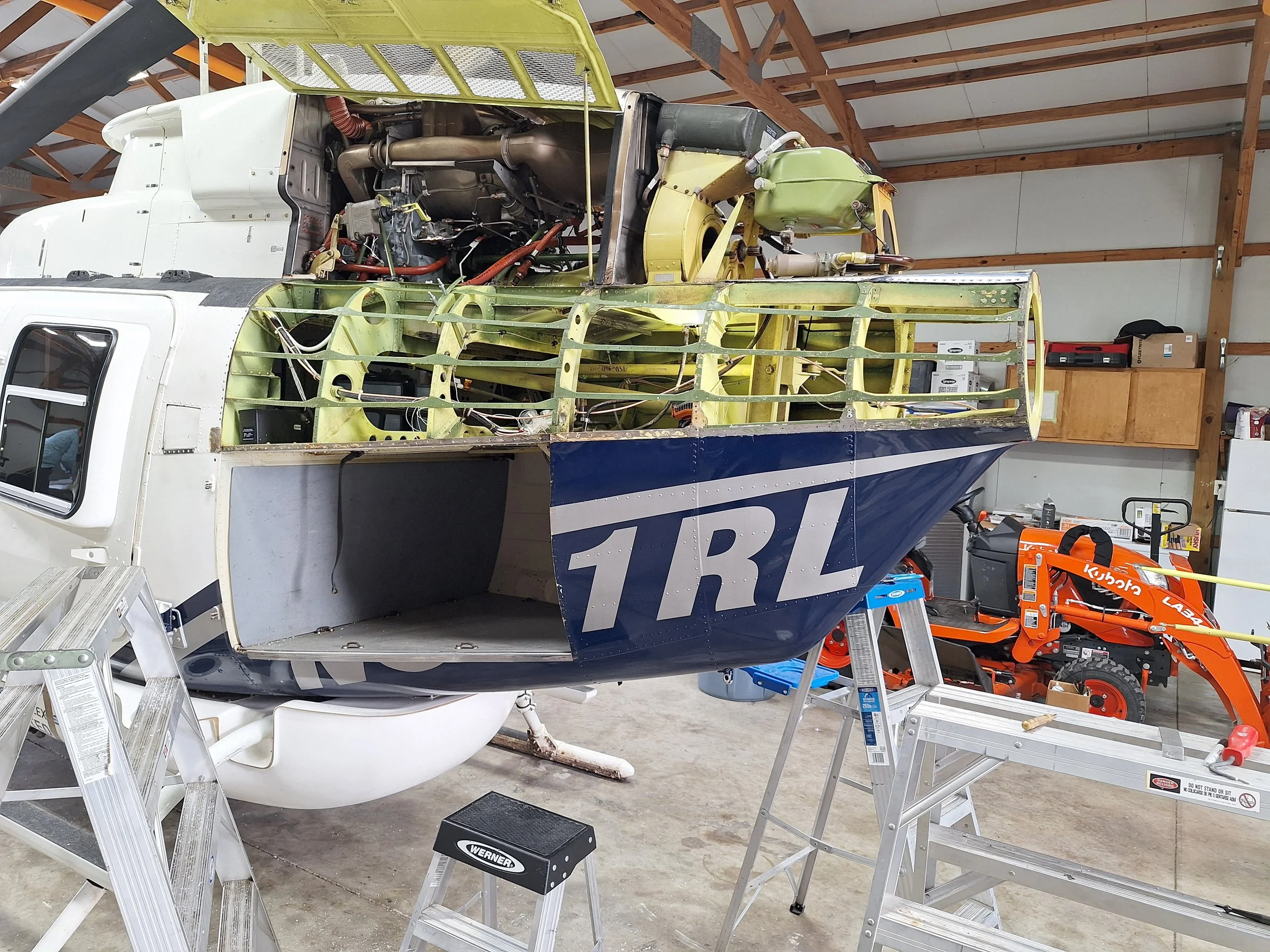
Common Areas Where Corrosion Develops
Certain sections of a helicopter face greater exposure to environmental conditions and require closer monitoring.
Common corrosion-prone areas include:
● Belly sections exposed to moisture and contaminants.
● Tail booms and support structures.
● Door frames and stiffeners.
● Firewall assemblies.
● Landing gear attachment areas.
● Fasteners and mounting brackets.
● Honeycomb structures with moisture intrusion.
Maintenance personnel often focus inspection efforts on these locations because early detection may significantly reduce repair complexity. When corrosion extends into structural assemblies, collaboration with an experienced FAA repair station supports accurate assessment and approved repair methods.
The Financial Impact of Delayed Repairs
Ignoring corrosion rarely saves money. Minor corrosion removal typically requires fewer resources than extensive structural restoration after damage spreads.
As corrosion progresses, repair scopes become larger and more expensive. Operators may face increased labor requirements, replacement parts, extended aircraft downtime, and additional inspection procedures. In some situations, corrosion affects multiple interconnected structures, creating a chain of maintenance concerns.
Timely aircraft component repair helps control costs by addressing damage before it reaches critical levels. Preventive maintenance remains one of the most effective approaches for reducing long-term repair expenses.
Preventing Corrosion Before It Spreads
An effective corrosion prevention strategy combines routine inspections, cleaning practices, protective coatings, and proper storage conditions.
Maintenance teams should monitor high-risk areas regularly and address signs of corrosion as soon as they appear. Removing contaminants, repairing damaged paint systems, and controlling moisture exposure support long-term structural health.
Aircraft operating in coastal or humid regions often require more frequent evaluations due to increased environmental exposure. Preventive measures may seem simple, yet they contribute significantly to extending service life and maintaining reliability.
Why Professional Repair Expertise Matters?
Corrosion-related damage often extends deeper than surface appearance suggests. Accurate assessment requires technical knowledge, inspection experience, and an understanding of structural repair standards.
Repair professionals evaluate affected areas, determine damage extent, and recommend appropriate corrective actions. When repairs involve structural components or regulatory requirements, a qualified FAA repair station may provide additional expertise and approved repair solutions.
Professional evaluation helps ensure repairs meet safety standards while preserving aircraft performance and airworthiness.
Conclusion
Corrosion remains one of the most persistent threats to helicopter safety, reliability, and performance. What begins as minor surface deterioration may gradually develop into structural damage that affects critical flight components. Regular inspections, preventive maintenance, and timely FAA repair station support help identify issues before they escalate.
By addressing corrosion early and investing in proper aircraft component repair, operators strengthen safety, reduce downtime, and support long-term aircraft serviceability. A proactive approach not only protects valuable assets but also helps maintain confidence in every flight operation.

閱讀更多
(圖/ 總統府) 賴清德總統接見以色列國會跨黨派訪團,成為近期臺以外交互動的重要焦點。雙方就民主合作、區域安全與科技產業交流等議題進行深入交換意見,展現兩國持續強化實質關係的共同意向。 此次訪團由以色列國會跨黨派議員組成,賴清德在會晤中指出,臺灣與以色列雖地理距離遙遠,但同樣以民主自由為核心價值,在面對區域情勢與威權壓力時,皆高度重視國家安全與社會韌性。 (圖/ 總統府) 他強調,臺灣未來將持續透過更頻繁的雙邊交流與多元合作模式,推進與以色列的夥伴關係,並在國際場域共同捍衛民主制度與自由價值,擴大對全球與區域穩定的貢獻。 在談及雙邊互動時,賴清德特別提到,以色列國會長期以來對臺灣國際參與的支持,包括跨黨派議員連署挺臺聲明,展現友好立場與政治互信基礎,對此表達感謝。 (圖/ 總統府)...

Decoupling Tank Manufacturer selection involves much more than reviewing product specifications. Experienced buyers often evaluate the complete service capability of a manufacturing partner before establishing long term cooperation. Engineering companies, distributors, contractors, wholesalers, and equipment suppliers usually compare production management, communication, customization, delivery...