Steel Rebar Price Forecast Q1 2026 Supported by Infrastructure Investment Growth
Introduction
Global steel rebar prices exhibited varied movement during Q1 2026 amid shifting construction demand, changing steel feedstock costs, and regional supply conditions. Procurement activity remained closely tied to infrastructure and commercial projects. The steel rebar price trend and price index highlighted market volatility, while the steel rebar price forecast pointed to continued sensitivity to construction activity, raw material costs, and regional supply-demand balances. These dynamics created important strategic sourcing considerations for procurement teams.
Steel Rebar Prices by Region
United States Steel Rebar Prices Movement – Q1 2026
Steel Rebar Prices Outlook Q1 2026 reached USD 1,011/MT in the United States. Infrastructure investments and construction activity supported procurement demand throughout the quarter. Supply conditions remained balanced despite elevated production and logistics costs. The steel rebar price trend remained firm due to healthy domestic consumption. Procurement insight: Long-term contracts may help buyers manage cost volatility.
China Steel Rebar Prices Movement – Q1 2026
Steel Rebar Prices Outlook Q1 2026 stood at USD 480/MT in China, making it the most competitively priced market among major regions. Supply remained ample due to strong production capacity, while construction demand provided moderate support. The steel rebar price trend reflected balanced market conditions. Procurement insight: China offers attractive sourcing opportunities for cost-focused buyers.
Germany Steel Rebar Prices Movement – Q1 2026
Steel Rebar Prices Outlook Q1 2026 averaged USD 749/MT in Germany. Construction and infrastructure projects supported procurement activity, while energy costs continued influencing production economics. Supply conditions remained stable despite regional economic uncertainties. The steel rebar price trend remained moderately firm. Procurement insight: Monitoring energy-driven cost fluctuations can improve purchasing decisions.
Taiwan Steel Rebar Prices Movement – Q1 2026
Steel Rebar Prices Outlook Q1 2026 reached USD 737/MT in Taiwan. Demand from construction and manufacturing sectors supported market fundamentals. Procurement activity remained steady, while sufficient inventory levels maintained balanced supply conditions. The steel rebar price trend remained relatively stable during the quarter. Procurement insight: Regional sourcing flexibility can improve procurement efficiency.
Brazil Steel Rebar Prices Movement – Q1 2026
Steel Rebar Prices Outlook Q1 2026 stood at USD 907/MT in Brazil. Infrastructure investments and residential construction activity supported demand. Supply conditions remained adequate despite transportation cost pressures. The steel rebar price trend reflected healthy domestic consumption and regional market dynamics. Procurement insight: Strategic inventory planning can reduce exposure to logistics-related cost increases.
Get the Real-Time Prices: https://www.imarcgroup.com/steel-rebar-pricing-report/requestsample
Procurement Snapshot
The United States recorded the highest steel rebar prices at USD 1,011/MT, while China remained the lowest-cost sourcing market at USD 480/MT. Procurement leaders should evaluate regional supplier competitiveness, freight economics, and lead times. Diversified sourcing strategies can enhance budget control and reduce exposure to localized market disruptions.
What is Steel Rebar?
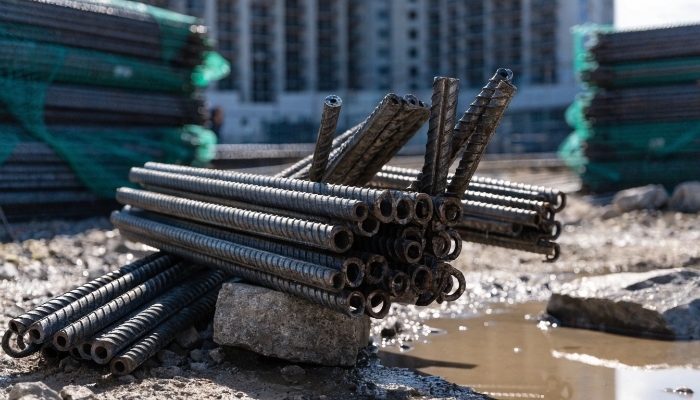
Steel rebar, or reinforcing bar, is a steel product used to strengthen concrete structures. Manufactured through rolling and alloying processes, it improves tensile strength and structural integrity. Steel rebar is widely utilized in buildings, bridges, highways, industrial facilities, and infrastructure projects requiring durable reinforced concrete construction.
Factors Affecting Steel Rebar Prices
- Feedstock Costs: Scrap steel, iron ore, and billet prices directly influence steel rebar production costs and market pricing trends.
- Energy Costs: Steelmaking is energy-intensive, making electricity, natural gas, and fuel expenses key cost drivers.
- Supply Availability: Production rates, mill utilization, and inventory levels significantly affect regional steel rebar availability and pricing.
- Logistics Conditions: Freight costs, transportation capacity, and shipping efficiency impact delivered procurement costs worldwide.
- Trade Policies: Tariffs, anti-dumping measures, and import restrictions can alter market competitiveness and sourcing economics.
- Environmental Regulations: Carbon reduction initiatives and environmental compliance requirements influence steel production costs and operational strategies.
- Demand Growth: Infrastructure spending and construction activity remain major drivers of steel rebar consumption and pricing.
Supply and Trade Intelligence
Global steel rebar production remained stable during Q1 2026, supported by adequate manufacturing capacity. Inventory levels varied by region, while trade flows reflected construction demand and infrastructure investment trends. Procurement teams require deeper intelligence on supply risks, export dynamics, and supplier performance beyond headline prices.
Regional Cost Comparison
The United States remained the highest-cost market, while China offered the most competitive steel rebar pricing. Germany and Taiwan occupied mid-range positions, with Brazil maintaining relatively elevated pricing. These regional disparities influence procurement budgets, supplier evaluations, and sourcing strategies across construction and industrial sectors.
Procurement Risk Assessment
- Feedstock Risk: Volatility in scrap steel, billet, and iron ore markets can rapidly impact procurement costs and budget planning.
- Supply Risk: Mill shutdowns, production disruptions, and capacity constraints may affect material availability and delivery reliability.
- Logistics Risk: Freight fluctuations, transportation bottlenecks, and shipping delays can increase procurement expenses and lead times.
- Regulatory Risk: Trade regulations, tariffs, and environmental compliance requirements may alter sourcing economics and supplier competitiveness.
Procurement Strategy Recommendation
Procurement teams should diversify suppliers across multiple regions to reduce concentration risks. Long-term contracts can improve price visibility and supply continuity. Strategic inventory planning helps mitigate disruptions, while evaluating sourcing opportunities in China and Taiwan may support cost optimization. Continuous market monitoring remains essential for informed procurement decisions.
Supply and Prices Overview
Global steel rebar supply remained balanced during Q1 2026, supported by stable production activity and manageable inventory levels. Procurement demand from construction and infrastructure sectors remained healthy. Market participants closely monitored feedstock prices, trade developments, and project pipelines affecting steel rebar prices worldwide.
Current Demand Trends
Construction activity, infrastructure investment, and industrial development continued driving steel rebar consumption. Procurement behavior reflected cautious inventory management and supplier diversification efforts. Market sentiment remained stable as buyers balanced project requirements with pricing considerations and evolving economic conditions across major consuming regions.
Recent Industry News
Steel producers continued investing in energy-efficient technologies and low-carbon steelmaking initiatives. Several manufacturers announced modernization projects aimed at improving production efficiency. Regulatory discussions surrounding emissions reduction and sustainability standards continued shaping operational strategies and future investment decisions within the global steel industry.
Steel Rebar Price Index
The steel rebar price index reflected notable regional pricing disparities during Q1 2026. The United States maintained the highest index levels, while China recorded the lowest. Feedstock costs, construction demand, production economics, and trade conditions remained key drivers influencing steel rebar price index performance.
Steel Rebar Price Trend and Outlook
The steel rebar price trend remained generally stable to firm during Q1 2026, supported by infrastructure spending and construction demand. Current pricing analysis suggests balanced market fundamentals. The procurement outlook remains cautiously positive, although buyers should monitor feedstock costs, trade policies, and regional demand developments.
Future Outlook
Steel rebar demand is expected to remain supported by ongoing infrastructure projects and construction activity. Supply conditions are likely to remain adequate, although raw material costs and regulatory developments may influence future pricing. Procurement teams should maintain flexible sourcing strategies and closely monitor market indicators.
Why Pricing Intelligence Matters
Pricing intelligence helps procurement teams improve budget forecasting, strengthen supplier negotiations, optimize contract timing, and manage sourcing risks. Access to steel rebar price trend analysis, price chart data, and procurement benchmarks enables organizations to make informed purchasing decisions and improve long-term procurement performance.
FAQs
Q. What is driving current steel rebar prices?
A. Feedstock costs, construction demand, energy prices, production levels, and trade policies remain the primary pricing drivers.
Q. Should buyers lock contracts now?
A. Long-term agreements can improve pricing predictability and reduce exposure to market volatility and supply disruptions.
Q. Which region offers the best sourcing opportunity?
A. China currently provides the most competitive steel rebar pricing and strong manufacturing capacity for global buyers.
Q. How can procurement teams track market movements?
A. Monitoring steel rebar price indexes, price charts, supplier intelligence, and procurement reports supports informed sourcing decisions.
Q. What factors could influence prices next quarter?
A. Scrap steel costs, infrastructure spending, logistics conditions, trade regulations, and inventory levels may affect pricing.
Q. What is the procurement outlook?
A. The procurement outlook remains stable, supported by balanced supply conditions and continued infrastructure-driven demand.
Additional Intelligence Available
The complete report includes monthly price history, steel rebar price chart analysis, price trend assessments, price index data, forecast models, supplier intelligence, trade flow analysis, procurement benchmarks, sourcing strategies, regional market comparisons, and detailed procurement-focused market intelligence.
Access Deeper Procurement Intelligence
Access comprehensive steel rebar prices, price trend analysis, price index tracking, price forecast models, supplier intelligence, and procurement benchmarks. Request the full report or sample today to strengthen sourcing strategies, improve supplier negotiations, identify cost-saving opportunities, and enhance supply chain resilience in a dynamic global market.
Speak to an Analyst: https://www.imarcgroup.com/request?type=report&id=22416&flag=C
Key Coverage:
- Market Analysis
- Market Breakup by Region
- Demand Supply Analysis by Type
- Demand Supply Analysis by Application
- Demand Supply Analysis of Raw Materials
- Price Analysis
- Spot Prices by Major Ports
- Price Breakup
- Price Trends by Region
- Factors influencing the Price Trends
- Market Drivers, Restraints, and Opportunities
- Competitive Landscape
- Recent Developments
- Global Event Analysis
How IMARC Pricing Database Can Help
The latest IMARC Group study, “Steel Rebar Prices, Trend, Chart, Demand, Market Analysis, News, Historical and Forecast Data 2025 Edition,” presents a detailed analysis of Steel Rebar price trend, offering key insights into global Steel Rebar market dynamics. This report includes comprehensive price charts, which trace historical data and highlights major shifts in the market.
The analysis delves into the factors driving these trends, including raw material costs, production fluctuations, and geopolitical influences. Moreover, the report examines Steel Rebar demand, illustrating how consumer behaviour and industrial needs affect overall market dynamics. By exploring the intricate relationship between supply and demand, the prices report uncovers critical factors influencing current and future prices.
About Us:
IMARC Group is a global management consulting firm that provides a comprehensive suite of services to support market entry and expansion efforts. The company offers detailed market assessments, feasibility studies, regulatory approvals and licensing support, and pricing analysis, including spot pricing and regional price trends. Its expertise spans demand-supply analysis alongside regional insights covering Asia-Pacific, Europe, North America, Latin America, and the Middle East and Africa. IMARC also specializes in competitive landscape evaluations, profiling key market players, and conducting research into market drivers, restraints, and opportunities. IMARC’s data-driven approach helps businesses navigate complex markets with precision and confidence.
Contact Us:
IMARC Group
134 N 4th St. Brooklyn, NY 11249, USA
Email: sales[@]imarcgroup.com
Tel No:(D) +91 120 433 0800
United States: +1-201971-6302