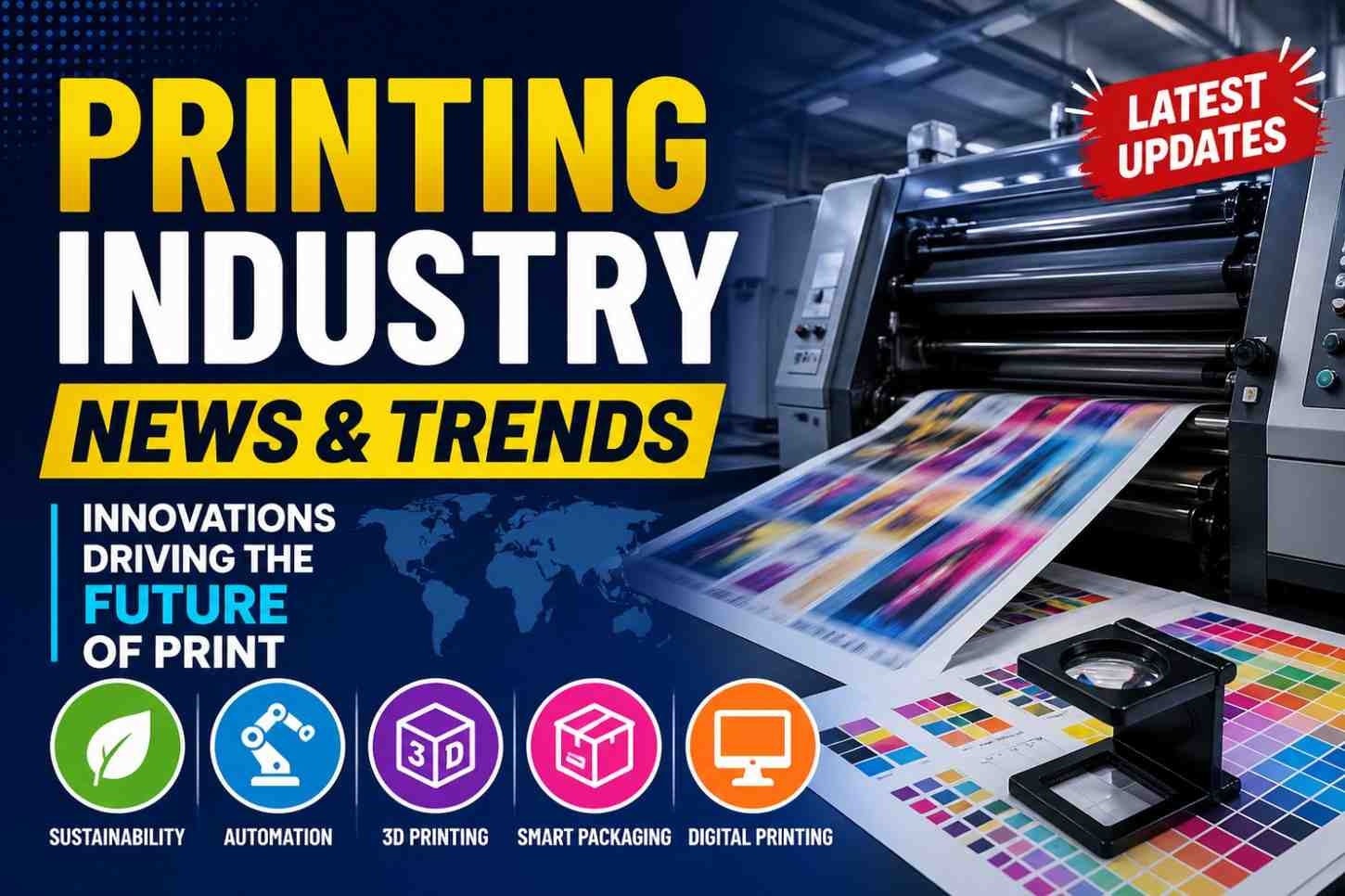

The packaging sector is experiencing one of the most transformative periods in its history. As consumer expectations evolve, sustainability regulations become stricter, and technology advances rapidly, businesses are rethinking how products are packaged, transported, and presented. These packaging industry insights reveal how innovation is driving change across the global supply chain while creating new opportunities for brands, converters, and packaging manufacturers.
From smart packaging solutions and eco-friendly materials to automation and digital printing, the industry is moving beyond its traditional role of product protection. Packaging has become a critical factor in customer experience, brand identity, and environmental responsibility.
As we move through 2026, understanding these shifts is essential for businesses looking to remain competitive in an increasingly dynamic marketplace.
The Growing Importance of Sustainable Packaging
Sustainability continues to be the strongest force influencing packaging decisions worldwide. Consumers are paying closer attention to the environmental impact of the products they purchase, and brands are responding by investing in greener packaging alternatives.
Many companies are replacing conventional plastic packaging with recyclable, biodegradable, or compostable materials. Paper-based packaging solutions are gaining popularity across food, retail, and e-commerce sectors due to their lower environmental footprint and growing consumer acceptance.
Governments are also introducing regulations aimed at reducing packaging waste. Extended Producer Responsibility (EPR) programs and stricter recycling targets are encouraging manufacturers to design packaging with circularity in mind.
The shift toward sustainable packaging is no longer a marketing strategy—it has become a business necessity.
Smart Packaging Is Creating New Customer Experiences
Technology is transforming packaging from a passive container into an interactive communication tool. Smart packaging solutions are helping brands improve transparency, traceability, and customer engagement.
QR codes, NFC tags, and RFID-enabled packaging allow consumers to access product information instantly through their smartphones. Brands can share details about sourcing, manufacturing processes, sustainability efforts, and product authenticity.
In sectors such as pharmaceuticals and food packaging, smart technologies are enhancing safety and quality monitoring. Temperature-sensitive indicators and freshness tracking solutions help ensure products remain safe throughout the supply chain.
These innovations are creating a stronger connection between brands and consumers while improving operational efficiency.
Digital Printing Continues to Reshape Packaging Production
One of the most significant insights in the packaging industry in recent years has been the rapid adoption of digital printing technologies.
Traditional printing methods remain important for large-volume production, but digital printing offers advantages that are difficult to ignore. Faster turnaround times, reduced setup costs, and the ability to produce customized packaging make digital printing attractive for brands seeking flexibility.
Personalized packaging campaigns have become increasingly common. Companies can create limited-edition designs, regional variations, and targeted marketing campaigns without the high costs associated with conventional printing methods.
As digital printing technology continues to improve, it is expected to play an even larger role in packaging production worldwide.
Automation Is Driving Operational Efficiency
Manufacturers are under constant pressure to increase productivity while controlling costs. Automation has emerged as a critical solution for achieving these objectives.
Modern packaging facilities are investing in robotic systems, automated inspection technologies, and intelligent production lines. These systems reduce human error, improve consistency, and enable faster production speeds.
Artificial intelligence is also helping companies optimize packaging workflows. Predictive maintenance tools can identify potential equipment issues before they cause costly downtime. Data analytics platforms provide real-time insights that help manufacturers improve performance and reduce waste.
Automation is not only enhancing efficiency but also supporting long-term business growth.
E-Commerce Continues to Influence Packaging Design
The growth of online shopping has fundamentally changed packaging requirements. Products must now withstand longer shipping distances and multiple handling points while maintaining their appearance and integrity.
As a result, packaging designers are focusing on durability, protection, and customer experience. Right-sized packaging has become increasingly important because it reduces shipping costs and minimizes material waste.
Unboxing experiences have also become a key marketing opportunity. Many brands use premium packaging designs to create memorable first impressions and encourage social media sharing.
E-commerce packaging is expected to remain a major area of innovation as online retail continues to expand globally.
Material Innovation Is Accelerating Across the Industry
New materials are helping companies address environmental concerns while maintaining performance standards.
Researchers and manufacturers are developing alternatives to traditional plastics, including plant-based materials, fiber-based solutions, and biopolymers. These materials aim to reduce environmental impact without compromising product protection.
Barrier technologies are also advancing rapidly. Improved coatings and material structures help extend shelf life while reducing the need for multilayer packaging, which is difficult to recycle.
Material innovation is opening new possibilities for sustainable packaging development across multiple industries.
The Role of Packaging in Brand Differentiation
Packaging has become a powerful branding tool in highly competitive markets. Consumers often form opinions about products based on packaging quality, design, and functionality before making a purchase.
Successful brands are using packaging to communicate their values, tell their stories, and create emotional connections with customers. Clean designs, premium finishes, and sustainable materials are increasingly influencing purchasing decisions.
Consistency across physical stores and digital channels is also becoming important. Packaging must align with broader brand strategies to deliver a seamless customer experience.
As competition intensifies, packaging will continue to play a critical role in product differentiation.
Supply Chain Resilience Remains a Key Focus
Recent global disruptions have highlighted the importance of resilient supply chains. Packaging companies are investing in strategies that improve flexibility and reduce risk.
Many organizations are diversifying supplier networks and sourcing materials closer to manufacturing locations. This approach helps reduce transportation challenges and improves supply chain reliability.
Digital supply chain management systems are providing greater visibility into operations. Real-time tracking and predictive analytics enable businesses to respond more effectively to changing market conditions.
Building resilient supply chains has become a strategic priority throughout the packaging industry.
Regulatory Changes Are Influencing Packaging Strategies
Environmental regulations are becoming more comprehensive across many regions. Packaging manufacturers and brand owners must stay informed about changing compliance requirements.
New regulations often focus on recyclability, waste reduction, labeling standards, and the use of recycled content. Companies that proactively adapt to these changes are better positioned to avoid disruptions and maintain market access.
Compliance is increasingly linked to sustainability goals, making regulatory awareness an essential component of packaging strategy.
What the Future Holds for the Packaging Industry
The future of packaging will be shaped by a combination of sustainability, technology, and consumer expectations. Businesses that embrace innovation will be better prepared to navigate evolving market demands.
Smart packaging, advanced materials, automation, and digital manufacturing technologies will continue to gain momentum. At the same time, sustainability will remain at the center of industry discussions and investment decisions.
These insights from the packaging industry demonstrate that the sector is moving toward a future in which functionality, environmental responsibility, and customer experience work together to create value.
Conclusion
The packaging industry is entering a new era defined by innovation, sustainability, and digital transformation. Companies across the value chain are adopting new technologies, exploring advanced materials, and developing smarter packaging solutions to meet changing market expectations.
For industry professionals, staying informed about these developments is essential. As regulations evolve and consumer demands continue to grow, businesses that embrace insights from the packaging industry will be better positioned to achieve long-term success in an increasingly competitive global market.
FAQs About Packaging Industry Insights
1. Why are packaging industry insights important for businesses?
Packaging industry insights help businesses understand emerging trends, customer preferences, technological developments, and sustainability requirements, enabling better decision-making and stronger competitive positioning in the market.
2. What is driving sustainability in the packaging industry?
Consumer demand, environmental concerns, government regulations, and corporate sustainability commitments are encouraging companies to adopt recyclable materials, reduce waste, and improve packaging efficiency.
3. How is digital printing changing packaging production?
Digital printing enables faster production, lower setup costs, customization, and short-run packaging projects, allowing brands to create more targeted and personalized packaging solutions.
4. What role does smart packaging play in modern industries?
Smart packaging improves product tracking, authentication, consumer engagement, and supply chain visibility through technologies such as QR codes, RFID tags, and connected packaging systems.
5. What are the biggest packaging trends to watch in 2026?
Key trends include sustainable materials, automation, digital printing, smart packaging technologies, e-commerce-focused designs, circular economy initiatives, and enhanced supply chain resilience.