Are Manual Vehicle Inspections Creating Security Blind Spots?
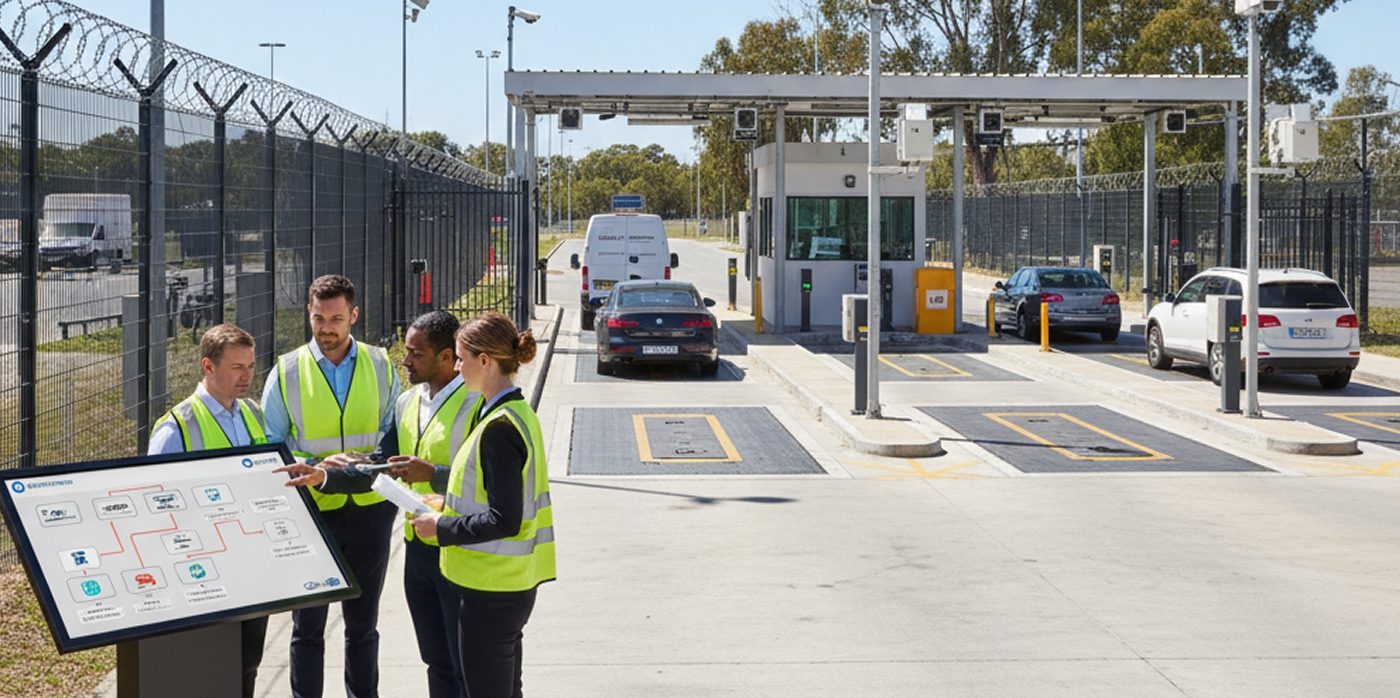
Vehicle checkpoints serve as the frontline of security for many facilities, including airports, government buildings, military bases, industrial sites, logistics hubs, ports, and critical infrastructure locations. Every vehicle entering these facilities must be inspected to ensure it does not pose a threat to people, assets, or operations.
For years, organizations have relied on manual vehicle inspection procedures to secure their entry points. Security personnel perform visual inspections, verify credentials, maintain vehicle logs, and conduct undercarriage checks using handheld mirrors. While these methods may appear effective on the surface, they often leave significant security gaps that can compromise facility protection.
As vehicle traffic increases and security threats become more sophisticated, many organizations are discovering that manual inspections alone are no longer enough. Hidden risks, operational inefficiencies, and human limitations can create blind spots that allow potential threats to go undetected.
To address these challenges, modern facilities are increasingly adopting advanced vehicle screening technologies that combine License Plate Recognition (LPR) systems with intelligent under vehicle inspection solutions. This integrated approach provides greater visibility, faster inspections, and more reliable threat detection.
The Hidden Challenges of Manual Vehicle Inspections
At first glance, manual inspections may seem straightforward. Security personnel stop vehicles, inspect visible areas, verify access credentials, and determine whether a vehicle should be allowed entry.
However, the reality is far more complex.
Modern facilities often process hundreds or even thousands of vehicles daily. Security teams must perform inspections quickly while maintaining strict security standards.
This creates several challenges:
-
Limited inspection time
-
High vehicle volumes
-
Operator fatigue
-
Environmental factors
-
Inconsistent inspection procedures
-
Difficulty inspecting concealed areas
As pressure increases, the risk of missed threats also grows.
These factors can create security blind spots that weaken overall facility protection.
Why Human Error Remains a Major Risk
Even highly trained security personnel are susceptible to human limitations.
Long shifts, repetitive tasks, adverse weather conditions, and heavy traffic volumes can all affect concentration and performance.
Some common issues include:
Missed Details
Small objects or unusual modifications may go unnoticed during rapid inspections.
Inconsistent Screening
Different inspectors may focus on different areas, resulting in inconsistent inspection quality.
Fatigue-Related Errors
Repetitive inspections can reduce alertness over time.
Reduced Efficiency During Peak Traffic
As vehicle queues grow, inspections may become rushed to maintain traffic flow.
These challenges highlight why relying exclusively on manual processes can leave facilities vulnerable.
The Underside of a Vehicle: A Critical Blind Spot
One of the most difficult areas to inspect manually is the vehicle undercarriage.
This area is often hidden from view and difficult to access, yet it remains one of the most common locations where suspicious items may be concealed.
Potential risks include:
-
Hidden packages
-
Unauthorized attachments
-
Contraband
-
Concealed devices
-
Structural modifications
-
Signs of tampering
Traditional mirror-based inspections provide only limited visibility and require security personnel to physically position themselves to view the underside of a vehicle.
This process can be time-consuming and may still fail to reveal every area of concern.
As a result, the undercarriage often becomes a significant security blind spot.
Why Modern Facilities Need Smarter Inspection Methods
Today's security environments demand greater speed, accuracy, and consistency than ever before.
Facilities require solutions that can:
-
Improve visibility
-
Detect hidden threats
-
Reduce human error
-
Accelerate vehicle processing
-
Maintain digital inspection records
-
Integrate with access control systems
Achieving these goals through manual inspections alone is increasingly difficult.
Advanced vehicle inspection technologies offer a more effective alternative by automating key aspects of the screening process.
How Under Vehicle Inspection Technology Enhances Security
Modern under vehicle inspection systems use high-resolution imaging technology to capture detailed views of vehicle undercarriages as vehicles pass through designated checkpoints.
Unlike manual inspections, these systems provide comprehensive visibility and consistent image quality.
Benefits include:
Enhanced Threat Detection
Detailed images help operators identify suspicious objects and abnormalities more effectively.
Improved Inspection Consistency
Every vehicle is inspected according to the same standards.
Faster Processing
Vehicles can be screened without lengthy manual inspections.
Digital Documentation
Images and inspection records can be stored for future review and investigations.
Reduced Dependence on Manual Processes
Automation minimizes many of the risks associated with human error.
These advantages help organizations eliminate many of the blind spots associated with traditional inspection methods.
The Role of LPR Technology in Access Control
While under vehicle inspection improves visibility beneath vehicles, facilities also need an efficient way to identify and track incoming traffic.
License Plate Recognition technology plays a critical role in achieving this objective.
LPR systems automatically capture vehicle registration information and compare it against approved access lists, visitor databases, and security watchlists.
Key benefits include:
Automated Vehicle Identification
Vehicle details are captured instantly without manual entry.
Faster Access Verification
Authorized vehicles can be processed quickly and efficiently.
Improved Vehicle Tracking
Facilities maintain accurate digital records of vehicle activity.
Enhanced Accountability
Vehicle information can be reviewed as part of security investigations or audits.
LPR technology strengthens access control while reducing administrative workloads.
Why Integration Creates a Stronger Security Solution
The most effective vehicle screening solutions combine multiple technologies into a unified platform.
By integrating LPR systems with under vehicle inspection technologies, organizations gain a comprehensive view of every vehicle entering the facility.
Integrated systems allow security teams to:
-
Identify vehicles automatically
-
Capture undercarriage images simultaneously
-
Associate images with vehicle records
-
Compare inspections against historical data
-
Generate alerts for unusual findings
-
Improve situational awareness
This integrated approach enables faster and more informed decision-making.
Eliminating Blind Spots Through Intelligent Inspection
Security blind spots often arise when facilities rely solely on visual inspections and manual processes.
An advanced under vehicle surveillance system helps eliminate these vulnerabilities by providing automated undercarriage imaging and enhanced visibility beneath vehicles. When integrated with LPR technology and intelligent under vehicle inspection systems, it creates a powerful screening solution that improves threat detection, strengthens access control, and reduces the likelihood of hidden risks entering secure facilities.
This combination provides security teams with the information they need to respond quickly and confidently.
Benefits of Automated Vehicle Screening
Organizations implementing intelligent inspection technologies often report improvements across multiple operational areas.
Better Threat Detection
Advanced imaging helps identify concealed risks more effectively.
Faster Checkpoint Operations
Automated inspections reduce delays and improve traffic flow.
Consistent Security Standards
Every vehicle receives the same level of screening.
Improved Record Management
Digital inspection records support investigations and compliance requirements.
More Effective Resource Allocation
Security personnel can focus on evaluating alerts and responding to threats rather than performing repetitive inspection tasks.
These benefits contribute to stronger security and greater operational efficiency.
Commport Technologies: Supporting Smarter Facility Security
Commport Technologies is a trusted supplier of advanced LPR systems and intelligent vehicle inspection technologies designed for modern security environments.
By integrating automated license plate recognition with advanced under vehicle inspection solutions, Commport Technologies helps organizations strengthen perimeter security, improve threat detection, and streamline vehicle access control operations.
Its solutions are designed for a variety of sectors, including:
-
Airports
-
Government facilities
-
Military installations
-
Industrial sites
-
Logistics centers
-
Ports and border crossings
-
Critical infrastructure projects
Through intelligent technology integration, organizations can improve both security performance and operational efficiency.
Conclusion
Manual vehicle inspections have long been a core component of facility security, but they are increasingly creating blind spots that can compromise protection. Human error, limited visibility, and operational pressures make it difficult to maintain consistent inspection quality using traditional methods alone.
By integrating LPR systems with advanced under vehicle inspection technologies, organizations can eliminate many of these blind spots, improve threat detection, and strengthen access control. Automated vehicle screening solutions provide the visibility, accuracy, and efficiency required to meet the security demands of today's high-risk environments.
For facilities seeking stronger perimeter protection and more reliable vehicle inspections, intelligent screening technologies are becoming an essential investment in modern security strategy.
