Pain Level During Fractional CO2 Laser Treatment: What Patients Should Expect
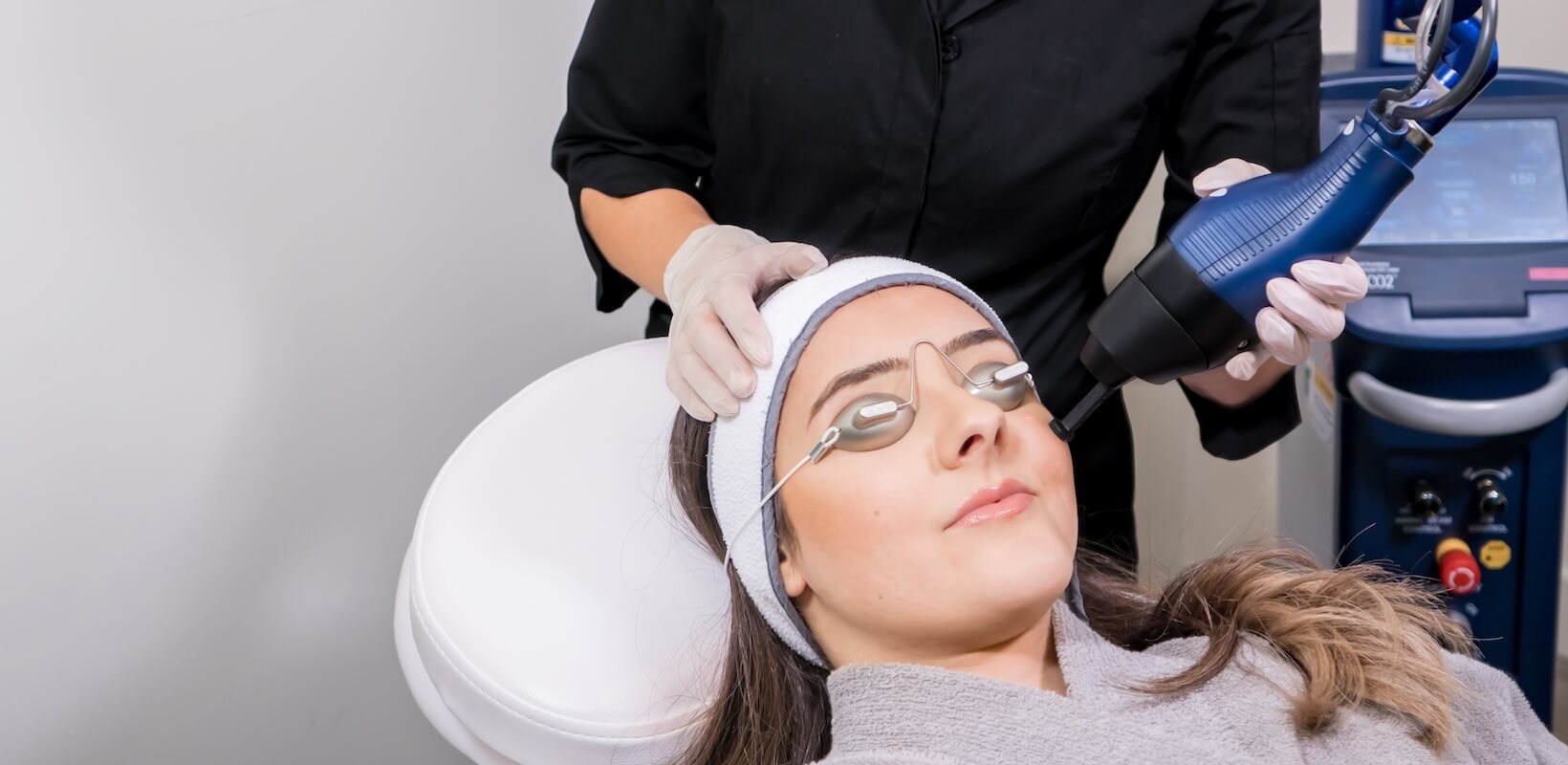
Concerns about pain are completely normal when considering any advanced skin resurfacing procedure, especially one that works deep within the skin layers. Modern dermatology has made significant advancements in comfort management, and Fractional CO2 Laser Treatment is now performed with techniques that minimize discomfort while still delivering powerful skin rejuvenation results. Understanding what the procedure feels like, how pain is managed, and what influences sensitivity helps patients feel more confident and prepared before undergoing treatment.
How Fractional CO2 Laser Works on the Skin:
Fractional CO2 laser works by delivering controlled beams of laser energy into the skin, creating microscopic zones of thermal injury. These micro-injuries stimulate collagen production and activate the body’s natural healing response, which leads to improved skin texture, tone, and firmness.
Key mechanisms include:
- Creation of microthermal columns in the skin
- Controlled heating of dermal layers
- Activation of fibroblast cells
- Collagen and elastin remodeling
- Gradual skin regeneration process
Because heat energy is used, some level of discomfort is expected.
What the Pain Actually Feels Like:
Most patients describe the sensation during treatment as uncomfortable but tolerable rather than intensely painful. The feeling depends on individual pain tolerance and treatment intensity.
Common sensations include:
- Warm or hot prickling feeling
- Light stinging on sensitive areas
- Rubber band snapping sensation
- Intense heat in deeper settings
- Tingling or burning during passes
The experience is usually brief and controlled.
Pain Level by Treatment Area:
Different areas of the face and body respond differently to laser treatment, which affects how much discomfort is felt during the procedure.
Sensitivity comparison:
- Forehead: moderate discomfort
- Cheeks: tolerable and steady sensation
- Around eyes: higher sensitivity
- Upper lip: more intense sensation
- Neck or body areas: variable depending on depth
Areas with thinner skin tend to feel more sensitive.
Role of Numbing Cream in Pain Reduction:
One of the most important steps in minimizing discomfort is the application of a topical anesthetic before the procedure begins. This significantly reduces pain signals from the skin.
Pain control methods include:
- Application of numbing cream 30–60 minutes before treatment
- Cooling devices during laser sessions
- Adjusted energy settings based on sensitivity
- Short breaks between passes if needed
- Soothing post-treatment applications
These measures make the procedure much more manageable.
Factors That Influence Pain Level:
Pain perception varies widely from person to person, and several factors influence how much discomfort a patient may experience during treatment.
Key influencing factors:
- Individual pain tolerance
- Depth and intensity of laser settings
- Size of treatment area
- Skin thickness and sensitivity
- Level of anxiety or stress
Understanding these helps set realistic expectations.
Comparison with Other Skin Treatments:
Compared to other cosmetic procedures, fractional CO2 laser is considered moderately uncomfortable but still tolerable with proper anesthesia.
Pain comparison overview:
- Microneedling: mild discomfort
- Chemical peels: mild to moderate stinging
- Fractional CO2 laser: moderate discomfort
- Surgical procedures: significantly higher pain levels
- Non-ablative lasers: lower discomfort
This makes it manageable for most patients.
Pain During and After the Procedure:
Discomfort is not limited to the procedure itself; some sensitivity continues during the initial healing phase as the skin begins to regenerate.
During treatment:
- Short bursts of heat or stinging
- Sensation varies with laser passes
- Managed with numbing and cooling
After treatment:
- Sunburn-like sensation
- Mild tightness or soreness
- Sensitivity to touch
- Temporary redness and warmth
These effects usually reduce within a few days.
Post-Treatment Comfort Management:
After the procedure, proper care helps reduce discomfort and supports healing. Most patients find that symptoms are manageable with simple care routines.
Comfort strategies include:
- Applying cold compresses gently
- Using prescribed soothing creams
- Keeping skin moisturized
- Avoiding sun exposure
- Taking mild pain relief if recommended
These steps help speed up recovery and reduce irritation.
How Long the Discomfort Lasts:
Pain and discomfort are temporary and typically follow a predictable timeline as the skin heals and regenerates.
Typical timeline:
- First 24 hours: highest sensitivity
- Days 2–3: moderate discomfort
- Days 4–7: mild irritation and tightness
- After 1 week: significant improvement
- Weeks 2+: minimal to no discomfort
Healing continues beneath the surface even after symptoms fade.
Tips to Reduce Pain Before Treatment:
Proper preparation can significantly reduce discomfort during the procedure and improve overall experience.
Helpful preparation tips:
- Avoid sun exposure before treatment
- Stay hydrated before the session
- Follow skincare instructions carefully
- Inform doctor about pain sensitivity
- Avoid caffeine or stimulants if advised
Preparation helps the skin respond better to treatment.
Is the Pain Worth the Results:
Despite temporary discomfort, most patients find the results of fractional CO2 laser highly rewarding due to significant improvements in skin quality.
Benefits that outweigh discomfort:
- Reduced wrinkles and fine lines
- Improved skin texture and tone
- Long-term collagen stimulation
- Reduction in acne scars
- Overall youthful appearance
The long-term benefits often outweigh short-term discomfort.
Final Thoughts
While Fractional CO2 Laser Treatment does involve a moderate level of discomfort, modern pain management techniques make the procedure highly tolerable for most patients. The sensation is temporary and well-controlled through numbing agents, cooling systems, and personalized settings. Once healing begins, discomfort quickly fades, leaving behind smoother, firmer, and rejuvenated skin. For most individuals, the transformative results of Fractional CO2 Laser Treatment make the temporary pain a worthwhile part of the journey toward improved skin health.