Aluminum Conductor Selection Guide: How Utilities Can Reduce Power Loss and Improve Grid Reliability
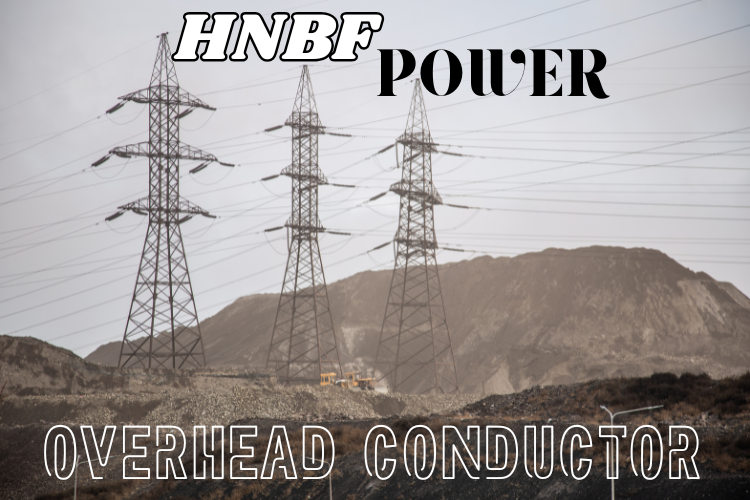
Power transmission and distribution networks demand conductors that offer high conductivity, long service life, lightweight installation, and cost efficiency. As modern infrastructure projects continue to expand across urban grids, industrial zones, renewable energy systems, and rural electrification programs, the demand for reliable aluminum conductor solutions is increasing rapidly.
Utilities, EPC contractors, and procurement managers often face several challenges when selecting conductors for overhead power lines. These challenges include excessive line losses, conductor sagging, corrosion in harsh environments, rising material costs, and long-term maintenance concerns. Choosing the wrong conductor can increase operational expenses and reduce grid reliability.
An aluminum conductor is one of the most widely used solutions in modern power transmission because it provides an excellent balance between conductivity, weight, mechanical performance, and affordability. From medium-voltage distribution systems to high-voltage transmission lines, aluminum-based conductors have become essential for efficient power delivery.
As a global manufacturer of overhead conductors and power cables, HNBF Power supplies high-quality AAC, AAAC, ACSR, ABC cables, LV power cables, and concentric cables for utility and industrial applications worldwide. The company supports power infrastructure projects with customized conductor solutions designed for different climates, voltage requirements, and installation conditions.
What Is an Aluminum Conductor?
An aluminum conductor is an electrical conductor manufactured primarily from aluminum strands designed to transmit electricity efficiently over short, medium, or long distances. Aluminum conductors are commonly used in overhead transmission and distribution systems because aluminum offers excellent electrical conductivity while remaining lightweight and cost-effective compared to copper.
The most common types of aluminum conductors include:
AAC (All Aluminum Conductor)
AAC conductors are manufactured entirely from aluminum strands. They provide excellent conductivity and are commonly used in urban distribution networks where shorter spans are required.
AAAC (All Aluminum Alloy Conductor)
AAAC conductors use aluminum alloy materials to improve mechanical strength and corrosion resistance. These conductors are ideal for coastal and industrial environments.
ACSR (Aluminum Conductor Steel Reinforced)
ACSR conductors combine aluminum strands with a galvanized steel core to provide high tensile strength for long-span transmission lines and high-load applications.
ABC (Aerial Bundled Cable)
ABC cables are insulated aluminum conductors used for low-voltage and medium-voltage overhead distribution systems. They improve safety and reduce power theft in urban and rural distribution networks.
Why Aluminum Conductors Are Widely Used in Power Systems
Lightweight Construction
One of the biggest advantages of aluminum conductors is their low weight. Aluminum weighs significantly less than copper, reducing installation complexity and lowering transportation costs. Lightweight conductors also reduce structural load on poles and towers.
Cost-Effective Transmission Solution
Aluminum conductors offer a more economical solution compared to copper conductors, especially for large-scale transmission and distribution projects. Utilities can reduce material costs without sacrificing electrical performance.
Excellent Electrical Conductivity
Although copper has slightly higher conductivity, aluminum provides strong electrical performance suitable for most utility applications. Modern aluminum conductors are engineered to optimize conductivity and minimize transmission losses.
Improved Corrosion Resistance
AAAC and other aluminum alloy conductors provide excellent corrosion resistance, making them suitable for coastal regions, humid climates, and industrial areas with chemical exposure.
Easier Installation
Because aluminum conductors are lightweight and flexible, installation becomes faster and more efficient. This helps reduce labor costs and project completion time.
Common Applications of Aluminum Conductors
Aluminum conductors are used across multiple sectors of the power industry.
Overhead Transmission Lines
High-voltage transmission networks commonly use ACSR and AAAC conductors because they offer excellent tensile strength and reliable power transmission performance.
Urban Power Distribution
AAC and ABC cables are widely used in city distribution systems where flexibility, safety, and compact installation are important.
Renewable Energy Projects
Solar farms and wind power installations frequently use aluminum conductors to connect renewable energy systems to the utility grid.
Industrial Power Networks
Factories, mining operations, and manufacturing facilities use aluminum conductors for internal distribution and heavy electrical loads.
Rural Electrification
ABC cables help improve electricity access in rural areas by reducing installation costs and improving operational safety.
Key Factors to Consider When Selecting an Aluminum Conductor
Choosing the right aluminum conductor requires careful evaluation of technical and environmental factors.
Electrical Load Capacity
The conductor must support the required current load without excessive heating or power loss. Engineers should calculate ampacity based on operating conditions and future expansion requirements.
Mechanical Strength
Transmission lines exposed to long spans, wind loads, or ice accumulation require conductors with high tensile strength, such as ACSR conductors.
Environmental Conditions
Corrosion resistance becomes critical in coastal, humid, or industrial areas. AAAC conductors are often preferred in such environments because of their enhanced durability.
Voltage Level
Different conductor designs are suitable for low-voltage, medium-voltage, or high-voltage applications. Proper conductor sizing ensures stable system performance.
Installation Requirements
Utilities should evaluate span length, sag performance, pole configuration, and installation methods before selecting conductors.
Market Demand for Aluminum Conductors in Modern Infrastructure
Global demand for aluminum conductors continues to rise due to rapid infrastructure expansion and grid modernization initiatives.
Several industry trends are driving this growth:
- Expansion of renewable energy transmission networks
- Increased investment in smart grid systems
- Urbanization and industrial development
- Rural electrification projects
- Replacement of aging transmission infrastructure
- Rising copper prices encouraging aluminum alternatives
Governments and utility companies are prioritizing cost-effective and energy-efficient conductor solutions to improve transmission performance and reduce operational costs.
How HNBF Power Supports Utility and EPC Projects
HNBF Power manufactures a complete range of overhead conductors and power cables designed for demanding utility applications. The company focuses on quality, technical performance, and international manufacturing standards.
Comprehensive Product Portfolio
HNBF Power supplies:
- AAC Conductors
- AAAC Conductors
- ACSR Conductors
- ABC Cables
- LV Power Cables
- Concentric Cables
Customized Engineering Solutions
Different projects require different conductor specifications. HNBF Power provides customized conductor solutions based on voltage levels, environmental conditions, mechanical requirements, and installation standards.
Strict Quality Control
Every conductor undergoes rigorous testing for conductivity, tensile strength, corrosion resistance, and dimensional accuracy to ensure reliable long-term performance.
Global Supply Capability
HNBF Power supports utility companies, EPC contractors, distributors, and infrastructure developers worldwide with reliable manufacturing and export capabilities.
Advantages of Working With a Professional Aluminum Conductor Manufacturer
Partnering with an experienced manufacturer offers several long-term benefits.
Consistent Product Quality
Professional manufacturers maintain strict production standards to ensure stable electrical and mechanical performance.
Technical Support
Engineering guidance helps utilities and contractors choose the most suitable conductor type for each application.
Faster Project Delivery
Reliable manufacturing capacity ensures stable supply chains and timely delivery for infrastructure projects.
Compliance With International Standards
Certified manufacturers provide conductors that meet industry standards and utility specifications.
Future Trends in Aluminum Conductor Technology
The power industry continues to adopt advanced conductor technologies to improve efficiency and sustainability.
Emerging trends include:
- High-temperature low-sag conductors
- Advanced aluminum alloy materials
- Smart grid-compatible conductors
- Improved corrosion-resistant designs
- Lightweight high-capacity transmission solutions
These innovations help utilities increase transmission capacity while reducing infrastructure costs and energy losses.
Conclusion
Aluminum conductors remain one of the most reliable and cost-effective solutions for modern power transmission and distribution systems. Their lightweight structure, strong conductivity, corrosion resistance, and economic advantages make them ideal for utility grids, industrial networks, renewable energy projects, and rural electrification programs.
Selecting the right conductor type is essential for improving grid reliability, reducing maintenance costs, and achieving long-term operational efficiency. Whether the requirement involves AAC, AAAC, ACSR, or ABC cables, choosing a trusted manufacturing partner ensures consistent product quality and technical performance.
HNBF Power continues to support utilities, EPC contractors, and infrastructure developers worldwide with high-quality aluminum conductor solutions tailored to diverse project requirements.
FAQs
What is the main advantage of an aluminum conductor?
The main advantage is its lightweight and cost-effective design while still providing excellent electrical conductivity for power transmission and distribution systems.
Which aluminum conductor is best for long transmission spans?
ACSR conductors are commonly used for long transmission spans because the steel core provides high tensile strength and improved mechanical performance.
Are aluminum conductors suitable for coastal environments?
Yes. AAAC conductors are highly suitable for coastal and corrosive environments because they offer strong corrosion resistance.
Why are ABC cables becoming more popular?
ABC cables improve operational safety, reduce power theft, minimize outages, and simplify installation in urban and rural distribution systems.
How does HNBF Power ensure conductor quality?
HNBF Power follows strict manufacturing and testing procedures to ensure conductivity, tensile strength, corrosion resistance, and compliance with international standards.
Contact HNBF Power for Customized Conductor Solutions
If you are planning a utility transmission project, rural electrification program, industrial power network, or renewable energy installation, contact HNBF Power for customized aluminum conductor solutions designed to meet your technical and operational requirements.