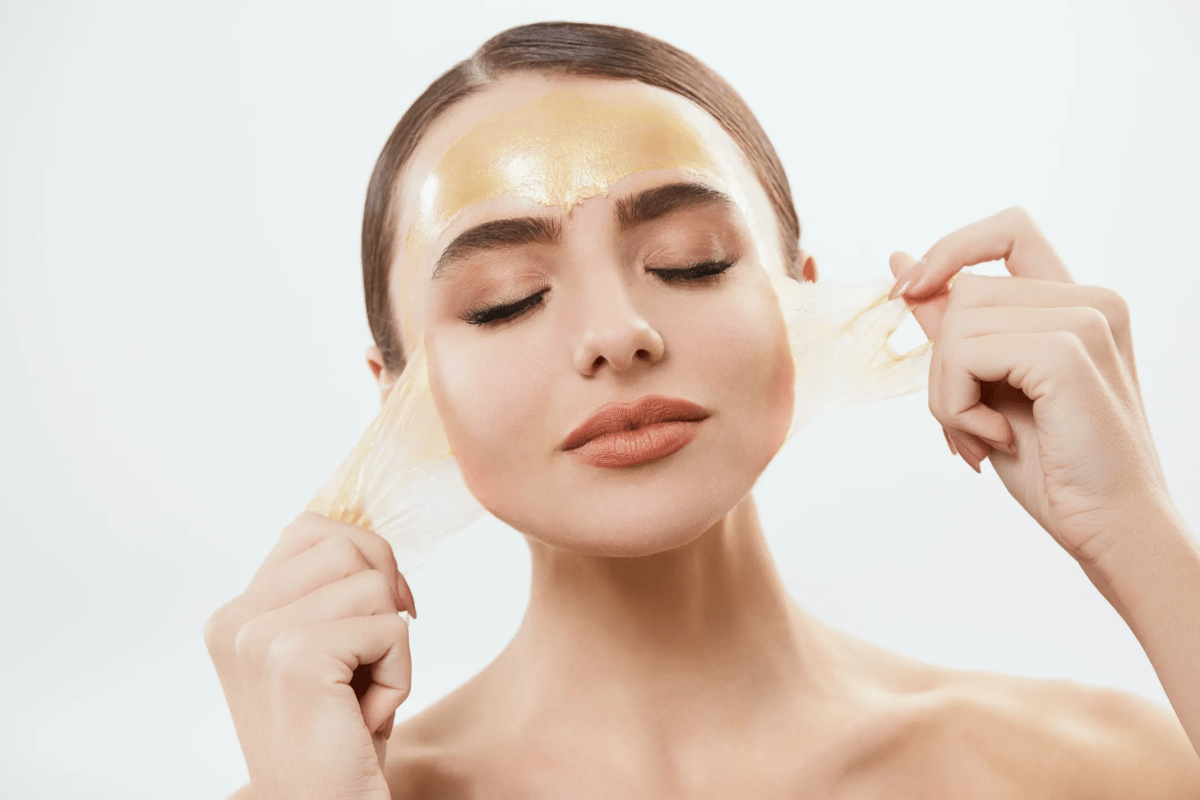
Acne scars can be one of the most persistent skin concerns, often affecting confidence long after breakouts have healed. Many people turn to Chemical Peel Treatment as a potential solution, hoping it can smooth uneven texture and reduce visible marks. While chemical peels are not a miracle cure, they are a scientifically supported method for improving the appearance of certain types of acne scars when used appropriately and consistently.
Understanding Acne Scars:
Acne scars form when inflammation from breakouts damages the skin’s deeper layers, leading to changes in texture or pigmentation. Not all scars are the same, and their type determines how well they respond to treatment.
Common types of acne scars include:
- Atrophic scars (depressed or sunken scars)
- Boxcar scars with defined edges
- Ice pick scars (deep and narrow)
- Post-inflammatory hyperpigmentation (dark marks)
- Post-inflammatory erythema (red marks)
How Chemical Peels Work on Acne Scars:
Chemical peels improve acne scars by exfoliating the outer damaged layers of skin and stimulating new cell growth. Over time, this process helps smooth texture and even out pigmentation.
How they help include:
- Removal of damaged skin cells
- Acceleration of skin renewal process
- Improvement in skin texture
- Reduction of surface-level discoloration
- Stimulation of collagen production
Types of Acne Scars That Respond Best:
Not all acne scars respond equally to chemical peels. Some types show better improvement than others depending on depth and severity.
Best responders include:
- Post-acne dark spots (hyperpigmentation)
- Mild surface texture irregularities
- Red or pink acne marks
- Shallow atrophic scars
- Early-stage scarring
Deeper scars may require combination treatments along with Chemical Peel Treatment.
Types of Chemical Peels Used for Acne Scars:
Different chemical peels are chosen based on scar type and skin sensitivity. Each acid penetrates the skin differently and targets specific concerns.
Common options include:
- Glycolic acid peels for pigmentation and texture
- Salicylic acid peels for acne-prone skin
- TCA peels for deeper scar correction
- Lactic acid peels for sensitive skin
- Combination peels for multi-concern treatment
Effectiveness of Chemical Peels on Scars:
Chemical peels are more effective for pigmentation and mild texture issues than deep, indented scars. Results are gradual and require multiple sessions.
Expected improvements:
- Fading of dark acne marks
- Smoother skin texture
- Brighter and more even tone
- Reduced visibility of mild scars
- Improved overall skin clarity
Limitations of Chemical Peels:
While chemical peels offer visible improvement, they are not a complete solution for all types of acne scars, especially deeper ones.
Limitations include:
- Limited effect on deep ice pick scars
- Multiple sessions required for results
- Gradual rather than instant improvement
- Maintenance treatments needed
- May require combination therapies
Chemical Peels vs Other Acne Scar Treatments:
Chemical peels are one of several options available for acne scar treatment, but they differ in depth and effectiveness compared to other procedures.
Comparison includes:
- Laser treatments target deeper skin layers
- Microneedling stimulates collagen more intensely
- Fillers improve deep depressed scars instantly
- Chemical peels improve surface texture and tone
- Combination therapy offers best results
How Many Sessions Are Needed:
The number of sessions required depends on the severity of scars and the type of peel used. Consistency is key for visible improvement.
General guidelines:
- Mild scars: 3–4 sessions
- Moderate scars: 4–6 sessions
- Severe cases: customized treatment plan
- Sessions spaced several weeks apart
- Maintenance treatments for long-term results
Who Benefits Most from Chemical Peels:
Chemical peels are most effective for individuals with mild to moderate acne scars and those looking for non-invasive treatment options.
Ideal candidates include:
- People with post-acne pigmentation
- Individuals with mild texture irregularities
- Those with oily or acne-prone skin
- People seeking gradual improvement
- Individuals avoiding surgical procedures
Possible Side Effects:
Like any skin treatment, chemical peels may cause temporary side effects, especially during the healing process.
Possible side effects include:
- Redness and mild irritation
- Temporary peeling or flaking
- Increased skin sensitivity
- Dryness or tightness
- Mild discoloration in rare cases
Importance of Aftercare:
Proper aftercare is essential for achieving the best results from chemical peels and preventing complications or worsening of scars.
Aftercare essentials:
- Daily sunscreen application
- Gentle cleansing routine
- Avoiding harsh skincare products
- Keeping skin well hydrated
- Not picking or scratching peeling skin
Professional Guidance for Best Results:
A dermatologist plays a key role in determining whether chemical peels are suitable and which type will work best for acne scars.
Professional role includes:
- Assessing scar type and severity
- Selecting appropriate peel strength
- Monitoring skin response
- Adjusting treatment plan if needed
- Ensuring safe application
This ensures safe and effective Chemical Peel Treatment outcomes.
Long-Term Expectations:
Acne scar improvement through chemical peels is a gradual process. Patients should maintain realistic expectations and follow a consistent skincare routine.
Long-term results include:
- Gradual fading of pigmentation
- Smoother skin texture over time
- Improved overall complexion
- Reduced visibility of mild scars
- Enhanced skin brightness
Final Thoughts:
Chemical peels can significantly improve the appearance of mild to moderate acne scars, especially when the main concern is pigmentation and surface texture. While they may not completely remove deep scars, they are an effective part of a broader skincare strategy. For individuals considering Chemical Peel Treatment, understanding its capabilities and limitations ensures realistic expectations and helps achieve healthier, smoother, and more even-toned skin over time.