Open vs Closed Rhinoplasty: Which Technique Is Right for You?
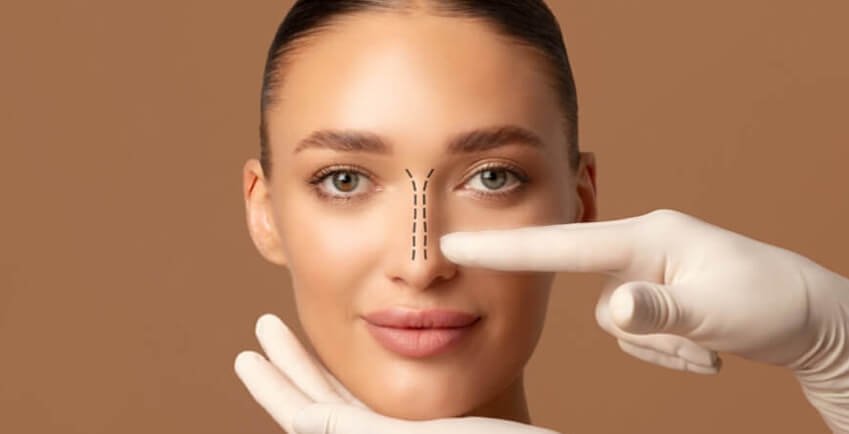
Rhinoplasty is a highly personalized cosmetic procedure designed to enhance the appearance and function of the nose, and one of the most important decisions involved is choosing between open and closed techniques. Each method offers distinct advantages depending on the patient’s needs, anatomy, and desired outcome. Many individuals researching options such as Rhinoplasty Riyadh often want to understand how these techniques differ and which approach is best suited for their goals.
What Is Open Rhinoplasty:
Open rhinoplasty involves making a small external incision across the columella, the strip of tissue between the nostrils, allowing the surgeon to lift the nasal skin and gain full visibility of the underlying structures. This technique provides greater access and precision, making it particularly useful for complex cases or significant reshaping. The improved visibility allows surgeons to make detailed adjustments with a high level of accuracy.
What Is Closed Rhinoplasty:
Closed rhinoplasty, also known as endonasal rhinoplasty, is performed using incisions made entirely inside the nostrils. This means there are no visible external scars, making it an appealing option for patients concerned about scarring. While the approach offers a shorter recovery time and less swelling, it provides limited visibility for the surgeon, which may not be suitable for more complex procedures.
Key Differences Between Open and Closed Techniques:
Understanding the differences between these two techniques helps patients make informed decisions about their procedure. Some of the primary distinctions include:
- Open rhinoplasty involves an external incision, while closed rhinoplasty does not
- Open technique offers greater visibility and precision
- Closed technique typically results in less swelling and faster recovery
- Open rhinoplasty is often preferred for complex or revision cases
These differences highlight how each approach serves different surgical needs.
Advantages of Open Rhinoplasty:
Open rhinoplasty is often recommended for patients requiring extensive changes or detailed structural work. Its benefits include:
- Enhanced visibility of nasal anatomy
- Greater precision in reshaping and reconstruction
- Better outcomes for complex or revision cases
- Improved ability to correct asymmetry and structural issues
These advantages make it a preferred choice for surgeons handling intricate procedures.
Advantages of Closed Rhinoplasty:
Closed rhinoplasty offers several benefits for patients seeking less invasive procedures with quicker recovery times. Key advantages include:
- No visible external scarring
- Reduced swelling and bruising
- Shorter surgery duration
- Faster initial recovery period
This technique is often suitable for patients needing minor adjustments or refinements.
Choosing the Right Technique:
Selecting the appropriate technique depends on several factors, including the complexity of the case, desired results, and the surgeon’s expertise. Patients considering Rhinoplasty Riyadh often rely on professional consultations to determine which approach aligns with their goals. A skilled surgeon will evaluate nasal structure, discuss expectations, and recommend the most suitable method for achieving optimal results.
Recovery Differences Between Techniques:
Recovery experiences can vary between open and closed rhinoplasty. Open rhinoplasty may involve more swelling and a slightly longer healing period due to the external incision. In contrast, closed rhinoplasty generally allows for a quicker recovery with less visible swelling. However, both techniques require patience, as final results can take several months to fully develop.
Risks and Considerations:
Both open and closed rhinoplasty carry potential risks, including infection, bleeding, and dissatisfaction with results. The open technique may result in a small, usually well-hidden scar, while the closed technique may limit the surgeon’s ability to address complex issues. Understanding these considerations helps patients make informed decisions and set realistic expectations.
Role of Surgeon Expertise:
The success of rhinoplasty depends more on the surgeon’s skill and experience than the technique itself. An experienced surgeon can achieve excellent results using either method, depending on the patient’s needs. Patients should prioritize choosing a qualified professional with a strong track record in rhinoplasty procedures to ensure safety and satisfaction.
Long-Term Results and Outcomes:
Both open and closed rhinoplasty can deliver long-lasting, natural-looking results when performed correctly. The choice of technique should align with the patient’s goals and the surgeon’s recommendations. Over time, as swelling subsides, the nose settles into its new shape, providing improved facial harmony and confidence.
Final Thoughts:
Choosing between open and closed rhinoplasty is an important decision that depends on individual needs, goals, and the complexity of the procedure. Both techniques offer unique advantages, and neither is universally better than the other. By consulting with an experienced surgeon and understanding the differences, patients can make informed choices that lead to successful and satisfying outcomes.
Categories
Read More
The Global Hybrid Seeds Market is witnessing robust growth as farmers and agribusinesses seek higher yields, better resilience, and improved quality to meet rising global food demand. According to Business Market Insights, the market was valued at USD 32.7 billion in 2025 and is expected to reach USD 54.9 billion by 2033, expanding at a CAGR of 6.69% during...
文:同濟記者/木蘭會 蘇慧姍 圖:攝影委員會 副主委 魏宏達 在溫潤而隆重的氛圍中,澎嘉南區於114年8月21日在船老大囍宴餐廳舉行第52屆親善大使團隊成立大會,正式宣告新團隊啟航。大會特邀內定總會親善大使主委蔡美玲會姐擔綱授課,為團隊注入專業儀禮與服務美學。即將上任的沈慧宜主席、第52屆總會督導長郭添裕前主席、澎嘉南區陳淑珍前主席、第52屆會長聯誼會蕭燈發主委、郭博欽區秘書長、蔡枝樵區財務長、莊岳樺區總召集長、王怡文區教育長、林佳宏區事務長等皆親臨現場,勉勵新任團隊以優雅、亮麗、專業之姿,期盼他們成為澎嘉南區的全新門面。...

