Polyvinyl Butyral Developments in Laminated Glass Technology
Polyvinyl butyral (PVB) has emerged as a highly versatile material that plays a crucial role in industries where safety, durability, and optical clarity are essential. With its strong adhesive properties, flexibility, and transparency, PVB is widely used as an interlayer in laminated glass applications. Its growing relevance across automotive and renewable energy sectors highlights its importance in shaping next-generation materials.
A recent study by Grand View Research states that the Polyvinyl Butyral market is expected to grow at a CAGR of 6.6% from 2025 to 2033. This steady growth reflects rising demand from industries focused on safety, sustainability, and high-performance materials.
PVB for Automotive Glass: Driving Safety and Innovation
In the automotive sector, PVB is a foundational component of laminated safety glass, particularly in windshields. Its primary function is to hold glass fragments together upon impact, preventing shattering and significantly reducing injury risks during accidents. As vehicle safety regulations become stricter worldwide, the use of laminated glass is expanding beyond windshields into side and rear windows, further increasing the demand for PVB.
Beyond safety, PVB enhances the driving experience by offering acoustic insulation and UV protection. Modern vehicles are designed to provide a quieter and more comfortable cabin environment, and PVB interlayers help reduce external noise while blocking harmful ultraviolet rays. This is especially important in electric vehicles, where the absence of engine noise makes sound insulation more noticeable.
Another emerging trend is the integration of advanced technologies such as heads-up displays (HUDs) and advanced driver assistance systems (ADAS). These features require high optical precision, and PVB is being engineered to minimize distortion and ensure clarity. As automotive manufacturers continue to innovate, PVB is becoming an essential material supporting both safety and technological advancement.
Polyvinyl Butyral for Solar Panels: Enabling Renewable Efficiency
The renewable energy sector is increasingly adopting PVB as an encapsulation material for solar panels. Its ability to provide strong adhesion and maintain transparency ensures that photovoltaic cells are protected without compromising energy absorption. PVB acts as a protective layer that shields solar cells from moisture, dust, and mechanical stress, thereby enhancing durability and performance.
With the global push toward clean energy, solar installations are rapidly expanding, creating a strong need for reliable and long-lasting materials. PVB’s flexibility allows it to withstand thermal expansion and environmental stress, making it suitable for both residential and large-scale solar projects. As solar technologies evolve, manufacturers are developing advanced PVB films with improved moisture resistance and thermal stability to meet the demands of diverse climates.
In addition, the shift toward building-integrated photovoltaics (BIPV) is creating new opportunities for PVB. In these systems, solar panels are incorporated directly into building structures such as windows and facades. PVB’s transparency and strength make it an ideal material for such applications, combining energy generation with architectural functionality.
Emerging Trends Shaping Polyvinyl Butyral Applications
One of the most notable trends is the increasing focus on sustainability. Manufacturers are exploring eco-friendly production processes and recyclable PVB materials to reduce environmental impact. This aligns with global efforts to promote greener materials across automotive, construction, and energy sectors.
Technological advancements are also playing a significant role in expanding PVB applications. Innovations in material engineering are enabling the development of high-performance interlayers with enhanced properties such as improved adhesion, better optical clarity, and increased resistance to environmental factors. These advancements are opening new possibilities in smart glass, architectural glazing, and advanced electronics.
Urbanization and infrastructure development, particularly in emerging economies, are further driving the demand for laminated glass in buildings and transportation systems. As safety and energy efficiency become central to modern construction practices, PVB continues to gain prominence as a reliable and multifunctional material.
閱讀更多
If you’re looking to buy old Facebook accounts, you’ve come to the right place. Whether you're a digital marketer, a small business owner, or someone looking to leverage Facebook for advertising or marketplace access, old Facebook accounts offer significant advantages. At EverSMM, we provide verified, secure, and ready-to-use aged accounts tailored to your specific needs. This guide...

Are you ready to buy old Facebook accounts to supercharge your digital marketing, run ads, or unlock the Facebook Marketplace? At SMMExpertService, we make it easy, safe, and quick for you to buy facebook aged accounts — whether you’re after a single account or need to buy facebook accounts in bulk. If you’re in a hurry to get real results, you’re in the right place.✅...

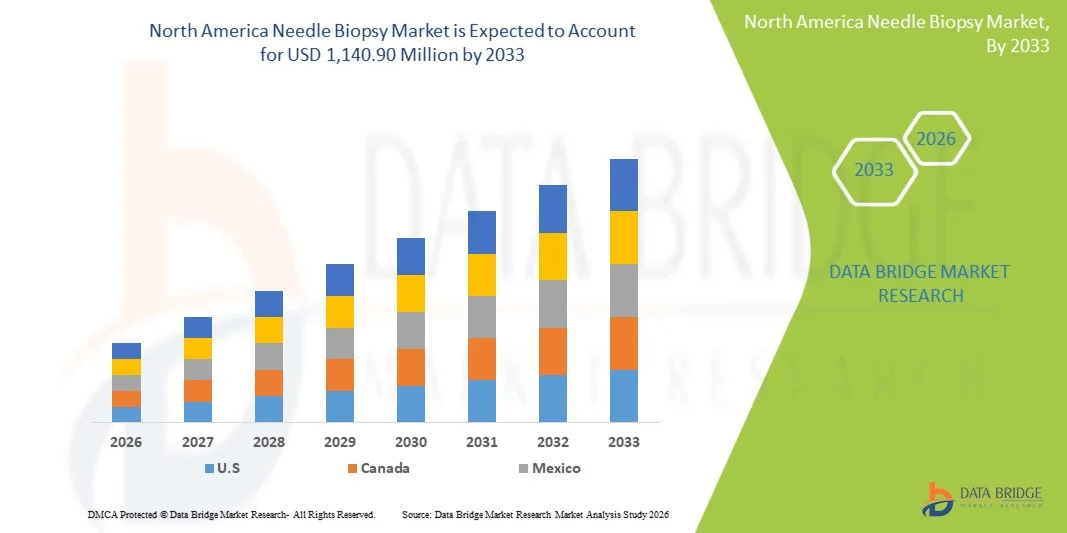
"Detailed Analysis of Executive Summary North America Needle Biopsy Market Size and Share The North America needle biopsy market size was valued at USD 659.07 million in 2025 and is expected to reach USD 1,140.90 million by 2033, at a CAGR of 7.10% during the forecast period. The North America Needle Biopsy report makes available the current and...