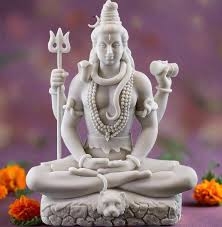

Known for his loyalty and ultimate devotion towards Lord Shiva, Nandi Maharaj is the chief of Mahadev’s ganas (attendants) and also his vehicle (vahana). In Hindu temples across the world, you might have often noticed that the Nandi statue always faces the lord. But have you ever thought why?
Well! This sacred positioning has nothing to do with temple architecture. It reflects the deep spiritual symbolism of devotion and the eternal bond between the devotee and the divine. Devotees believe that prayers whispered in Nandi’s ear are directly carried to Lord Shiva.
But beyond this popular belief, there are several spiritual and symbolic reasons behind the positioning of the Nandi statue. So, let us talk about why the Nandi idol is always placed facing Lord Shiva.
The Mythological Significance of the Nandi Statue
In Hindu tradition, Nandi Maharaj is closely associated with Lord Shiva. He is known as Shiva’s vahana, or sacred vehicle, and also as the chief among Shiva’s attendants.
Many references to Nandi appear in the Shiva Purana and other ancient texts. These stories describe him as a deeply devoted follower of Lord Shiva who serves as both companion and guardian.
Because of this special relationship, the presence of Nandi moorti became an important part of Shiva idols in temples. When temple builders began constructing shrines dedicated to Lord Shiva, they placed Nandi in a position that reflected his role as the most faithful devotee.
The Meaning Behind Nandi Facing the Deity
The direction in which Nandi faces is one of the most meaningful aspects of his presence in a temple. When devotees enter the temple hall, they first see Nandi sitting calmly before the sanctum. His body faces forward, and his gaze is directed toward the Shivling.
This posture represents constant devotion. Nandi does not turn away or look elsewhere. Instead, his attention remains fixed on Lord Shiva. Many temple priests explain that this image reminds devotees to focus their own thoughts on the divine while offering prayers.
Why Do People Whisper Wishes in Nandi’s Ears?
A common practice in Shiva temples involves whispering prayers into the ears of the Nandi statue. Many devotees bend close to the statue and quietly speak their wishes or concerns.
This tradition has existed for generations. According to popular belief, Nandi conveys these prayers directly to Lord Shiva. Since he is considered the closest attendant of the deity, devotees feel that their words will reach Shiva through him.
Although this practice is based on faith rather than formal scripture, it remains widely followed. Temple priests often allow devotees to approach Nandi closely for this purpose.
The act of whispering a prayer also creates a personal moment for the devotee. It allows people to express their thoughts privately before turning toward the sanctum to seek blessings.
Rituals and Festivals That Honor Nandi Maharaj
Although Lord Shiva remains the main focus of worship, Nandi also receives attention during certain temple rituals. During festivals such as Maha Shivaratri, the Nandi statue is often decorated with flowers, cloth, and sacred ash known as vibhuti. Devotees place garlands around his neck before offering prayers to the Shivling.
In many temples, people also perform pradakshina, or circumambulation, around the Nandi statue as a mark of respect. These rituals highlight the close connection between Nandi and Lord Shiva in temple worship. Even though he is not the central deity, his presence is treated with reverence by devotees and priests alike.
Can a Nandi Statue Be Kept at Home?
This question comes up quite often, especially when someone installs a Shivling or creates a small shrine for Lord Shiva at home. People are familiar with the image of Nandi sitting before the deity in temples, so naturally, they wonder whether the same arrangement should be followed in a household mandir.
From what has been seen over many years in homes and temples, keeping a Nandi statue in a home shrine is completely acceptable when the space is dedicated to Lord Shiva. The purpose is the same as in a temple setting. Nandi represents the devotee who remains devoted to Shiva without distraction.
However, the intention behind placing the idol matters more than simply copying the temple arrangement. Some families place a small Nandi statue in front of the Shivling during the installation of their home temple. In such cases, the statue is treated with the same respect given to other sacred images. It becomes part of the daily worship.
Choosing the Right Nandi Idol for Home Worship
The size and material of the Nandi statue also make a difference in home shrines. Temple statues are often large because they are meant to be seen from a distance. In homes, smaller idols are more suitable for the limited space of a mandir.
Marble Nandi statues are commonly chosen for household shrines because marble holds fine carving details and remains stable over time. A properly carved marble idol also carries the calm and dignified expression that Nandi is traditionally depicted with.
When the carving follows this traditional form, the idol naturally conveys the meaning associated with Nandi. Many people do not realize that the expression on the face of the idol also matters. A well-carved statue should appear calm and composed rather than exaggerated or decorative.
Conclusion
The tradition of placing Nandi facing Lord Shiva has been part of temple worship for generations. It represents devotion, discipline, and the close bond between the devotee and the divine.
In temples, Nandi sits before the sanctum as a silent witness to the prayers of countless devotees. In home shrines, the same image brings a sense of completeness to the worship of Lord Shiva.
Understanding the meaning behind this arrangement helps people appreciate why the tradition has continued for so long. Nandi’s posture, his direction toward the deity, and the respect given to his presence all reflect the deeper symbolism of Hindu worship.
For families who wish to place a Nandi statue in their home temple, choosing a carefully carved idol is truly important. At Pandey Moorti Bhandar, artisans continue to carve marble idols using traditional methods learned through decades of experience.